


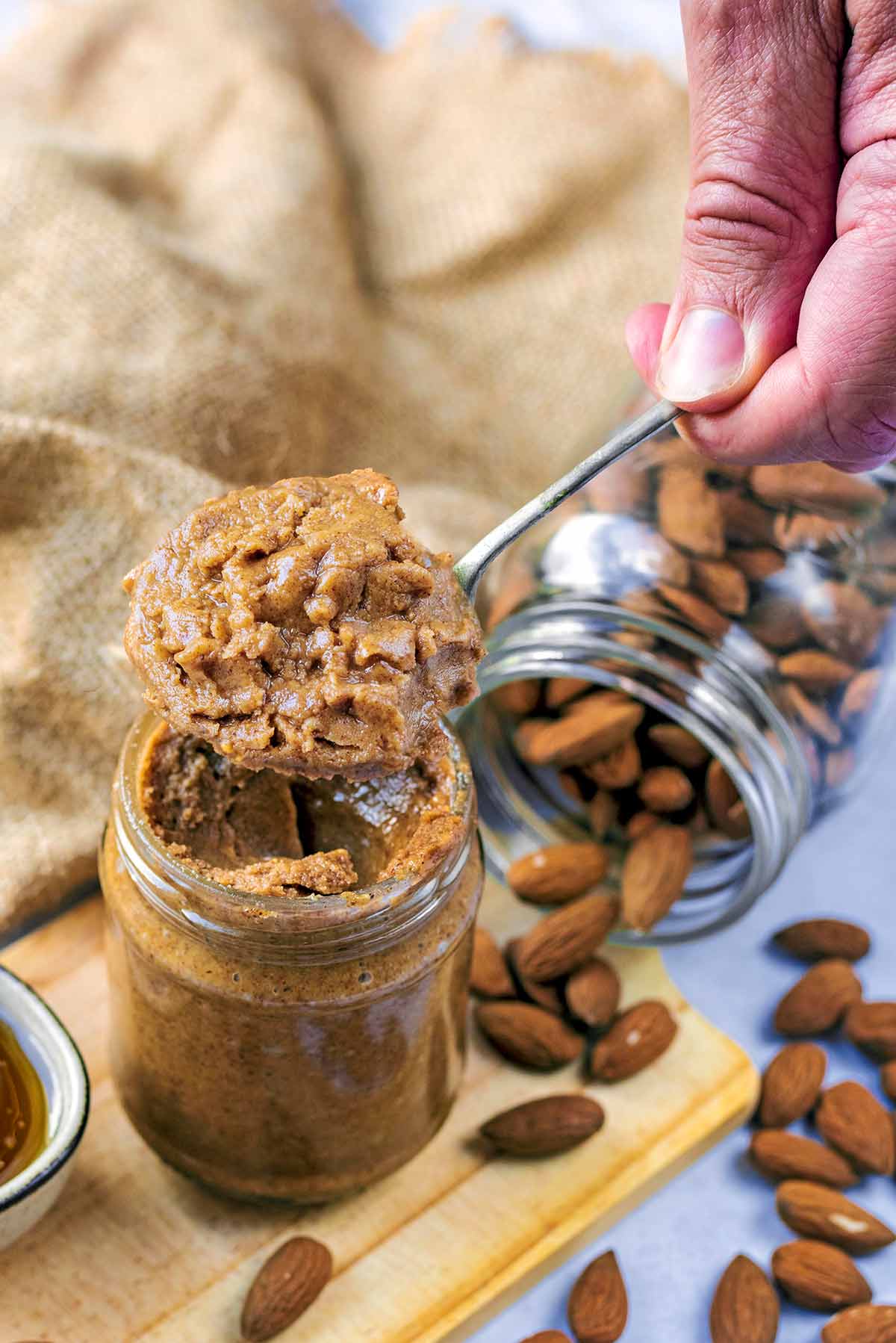
Homemade almond butter is much easier to make than you might think, and it tastes so much better when the almonds are freshly roasted. This easy almond butter recipe has a little honey and vanilla for sweetness, a pinch of salt and some coconut oil to help make it deliciously smooth and creamy.
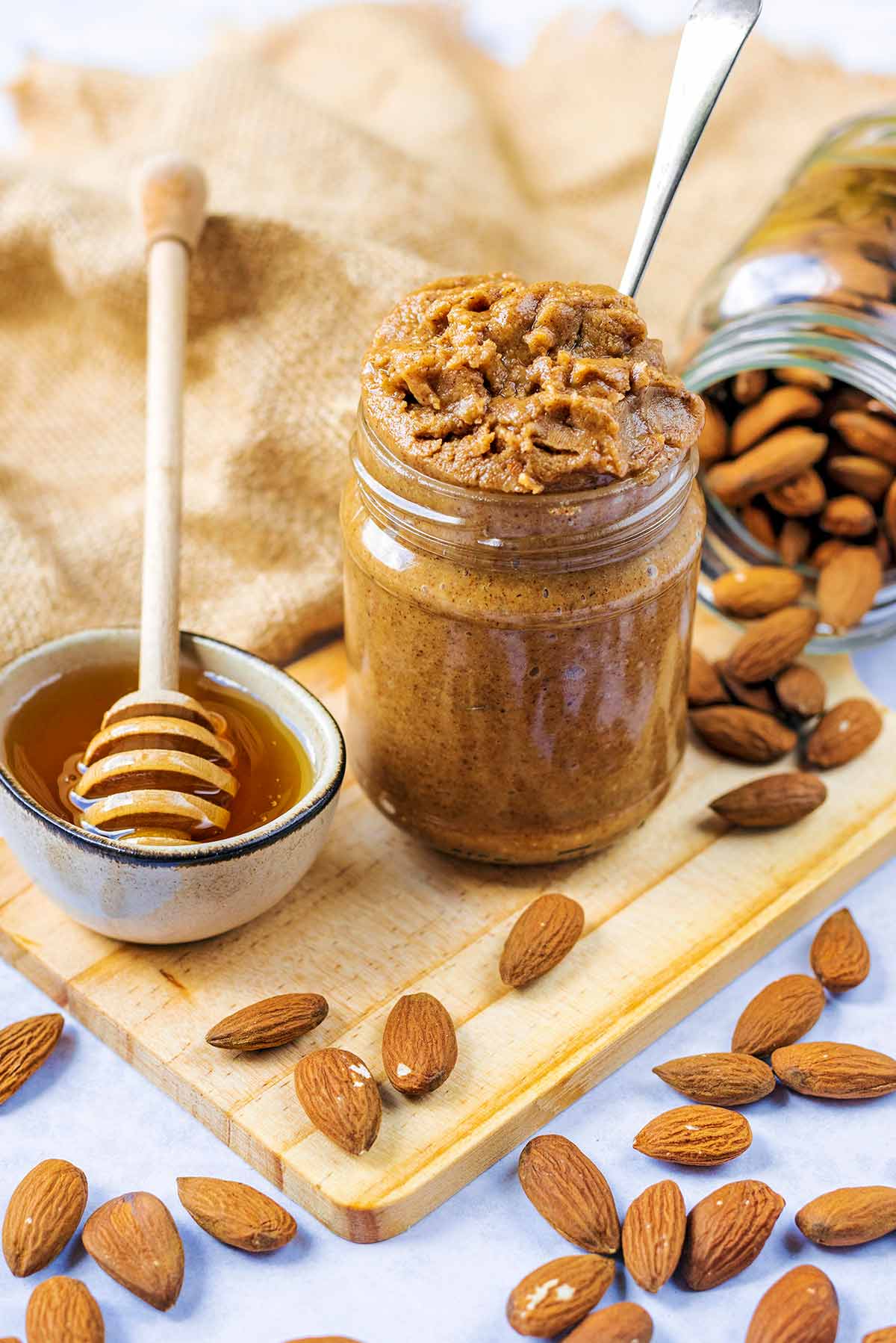
If your house is anything like mine and gets through nut butter quickly, making your own can also work out much cheaper than buying flavoured almond butter, especially when you can pick up a larger bag of almonds on offer.
Best of all, you can make it exactly how you like it. Keep the honey and vanilla, add cinnamon or cocoa, make it a little saltier, or experiment with different nuts.
If you have ever wondered how to make almond butter at home, all you really need is some almonds, a decent food processor or high-powered blender and a little patience.
Recipe update: This recipe was originally published on 4 June 2012 and was fully retested in September 2026 to check the cooking time and ingredient quantities. The original recipe still worked well, but I've expanded the instructions, tips and FAQs.
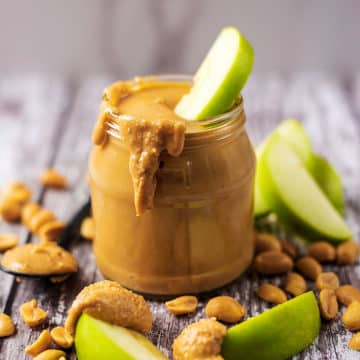
For another easy homemade nut butter, try our 5 Minute Homemade Peanut Butter or our maple flavoured pecan butter.
Would you like to save this post?
Jump to:
- Recipe Overview
- Why You Will Love This Homemade Almond Butter
- What is Almond Butter
- Ingredients and Substitutions
- What Equipment Do I Need to Make Almond Butter?
- Variations
- How to Make Almond Butter
- What Should Almond Butter Look Like as it Blends?
- Why Isn't My Almond Butter Turning Creamy?
- How to Use Almond Butter
- Is Homemade Almond Butter Cheaper Than Shop-Bought?
- Recipes Using Almond Butter
- How To Store Homemade Almond Butter
- Dannii's Top Tips
- Troubleshooting Guide
- Frequently Asked Questions
- More Nut Recipes
- Recipe
- Feedback
Recipe Overview
- Prep time: 5 minutes
- Cooking time: 15 minutes
- Cooling and blending: Up to 30 minutes
- Makes: Approximately 15 servings
- Equipment: Food processor or high-powered blender
- Flavour: Creamy roasted almonds with honey and vanilla
- Difficulty: Easy, but allow plenty of time for the almonds to become smooth
Why You Will Love This Homemade Almond Butter
- Easy to make - Roast the almonds and then let the food processor do most of the work.
- Cheaper than many shop-bought flavoured nut butters - Buying standard skin-on almonds in larger bags or when they are on offer can make homemade almond butter much better value.
- Easy to customise - Honey and vanilla are our favourite combination, but cinnamon, cocoa and different nuts all work well too.
- Simple ingredients - You know exactly what has gone into the jar and can adjust the sweetness and salt to suit you.
- Useful for so many things - Spread it on toast, stir it into porridge, add it to smoothies or use it in baking.
The only real downside is the noise. Nut butter takes some serious blending, so this probably isn't the recipe to make whilst someone is sleeping or trying to have an important phone call!
What is Almond Butter
Almond butter is simply almonds that have been processed for long enough for their natural oils to release and turn the nuts into a thick, smooth spread.
At first, it doesn't look as though this is going to happen. The almonds become crumbs, then a thick meal, then clumps, and eventually they suddenly turn into creamy almond butter.
That transformation is the part people tend to worry about when making homemade almond butter for the first time. The important thing is to be patient.
This version is made with roasted almonds and flavoured with honey and vanilla, which gives it a lovely sweet-and-salty flavour.
Ingredients and Substitutions
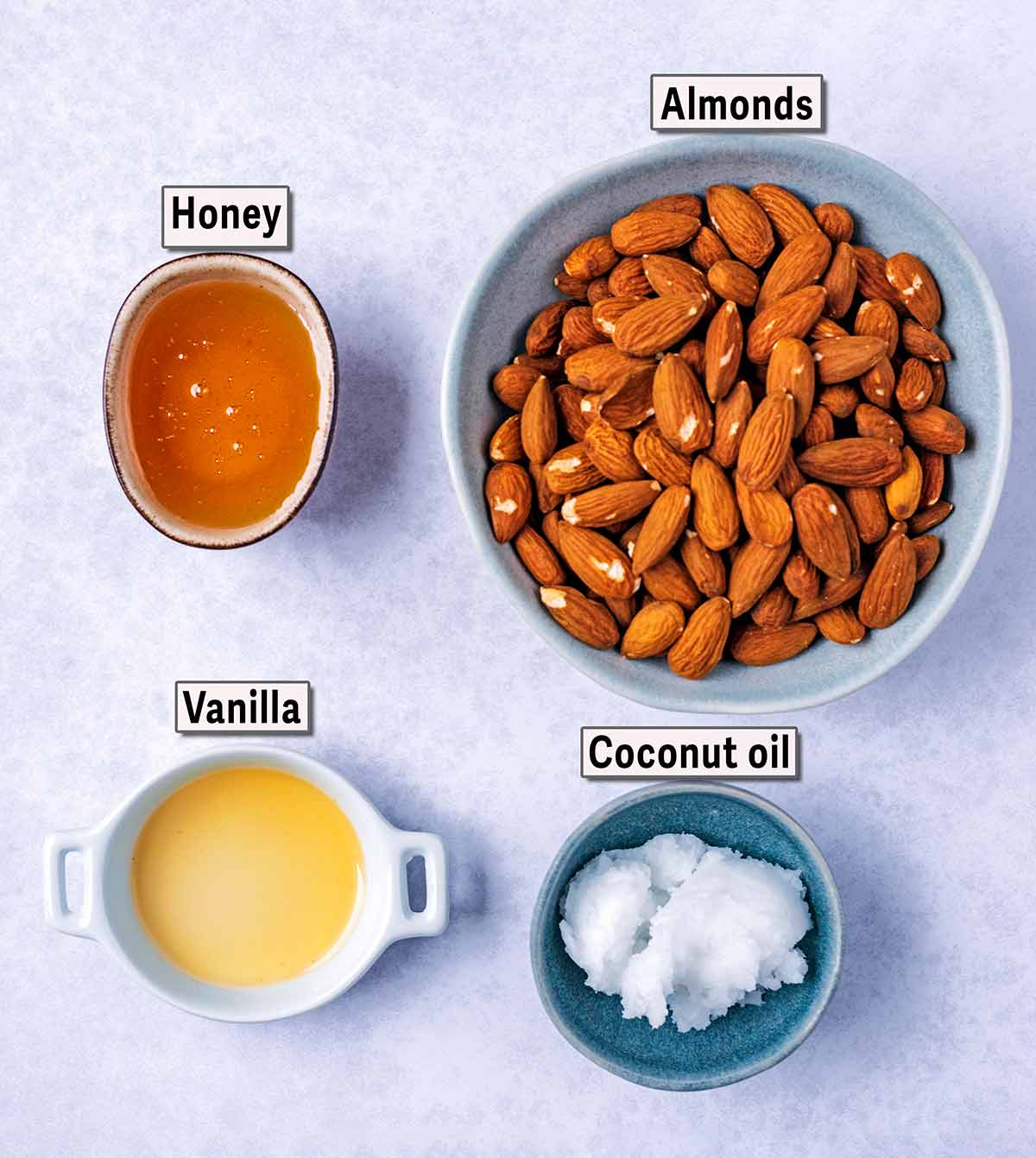
A full ingredients list, along with US Customary and Metric measurements, can be found in the recipe card at the end of this post.
- Almonds - We use standard skin-on almonds because they are easy to find and usually cheaper than blanched almonds.
Starting with raw almonds and roasting them yourself gives you more control over the flavour and is usually better value than buying pre-roasted nuts. - Honey - Honey gives this almond butter a gentle sweetness and works really well with the roasted almond flavour. For a vegan almond butter, swap the honey for maple syrup.
- Vanilla - Use vanilla extract rather than vanilla essence if possible. You don't need much, but it makes the finished almond butter taste much more special than a plain jar from the supermarket.
- Coconut oil - A little melted coconut oil helps loosen the mixture and gives the almond butter a smoother, silkier consistency.
If you prefer your almond butter thicker, you can reduce it slightly. If the finished butter is too thick for your liking, add a little more melted coconut oil a teaspoon at a time. - Salt - Just a pinch brings out the sweetness and the roasted flavour of the almonds. You can leave it out if you prefer.
What Equipment Do I Need to Make Almond Butter?
A powerful food processor is the easiest option, particularly if you are making a larger batch.
We have also made this in a NutriBullet when making a smaller amount. Whichever machine you use, expect to stop it occasionally to scrape the mixture back towards the blades.
A high-powered blender can also work, although smaller or less powerful blenders may struggle with thick nut butter. Don't keep forcing a machine that is getting very hot. Give the motor a short break and then continue.
Variations
One of the biggest advantages of making almond butter at home is that you can change the flavour every time.
Honey and vanilla almond butter - This is the version in the recipe card and our favourite combination. It is sweet without being overly sweet and works particularly well on toast, pancakes and porridge.
Cinnamon almond butter - Add a pinch or two of cinnamon. Nutmeg and ginger also work really well if you want something warmer and more spiced.
Chocolate almond butter - Add cocoa powder for a rich chocolate version. Start with a small amount, blend and then add more to taste.
You may want a little extra honey or maple syrup to balance the bitterness of the cocoa.
Maple almond butter - Swap the honey for maple syrup for a vegan version and a slightly different flavour.
Mixed nut butter - You don't have to stick to almonds. Try cashews, pecans or peanuts, or use a mixture of nuts.
How to Make Almond Butter
- Preheat: Preheat your oven to 180°C/160°C(fan)/350°F/Gas 4.
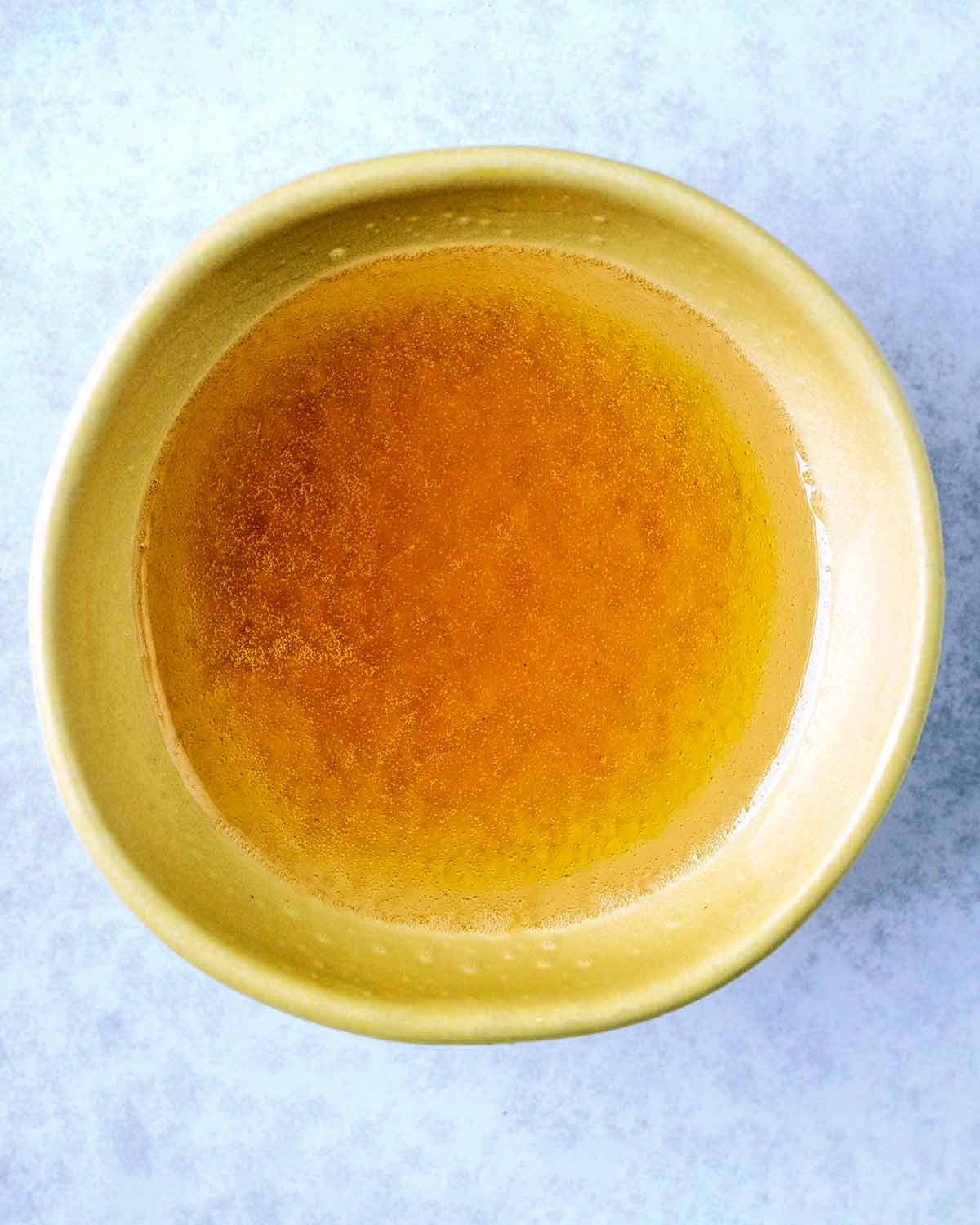
- Mix: Mix the melted coconut oil and honey together.
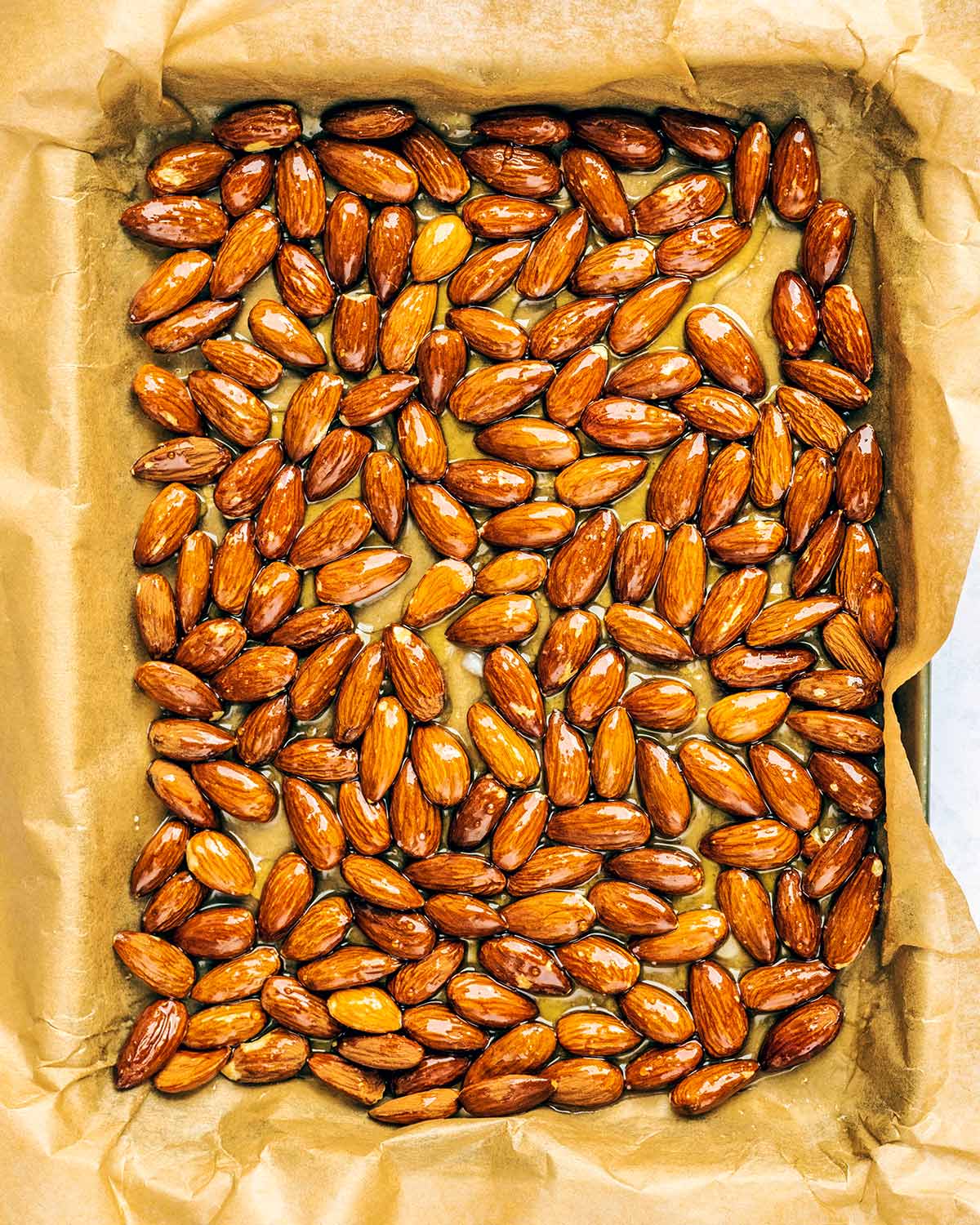
- Prepare the almonds: Spread the almonds in an even layer over a lined baking tray and pour over the honey and coconut oil mixture. Stir until the almonds are evenly coated.
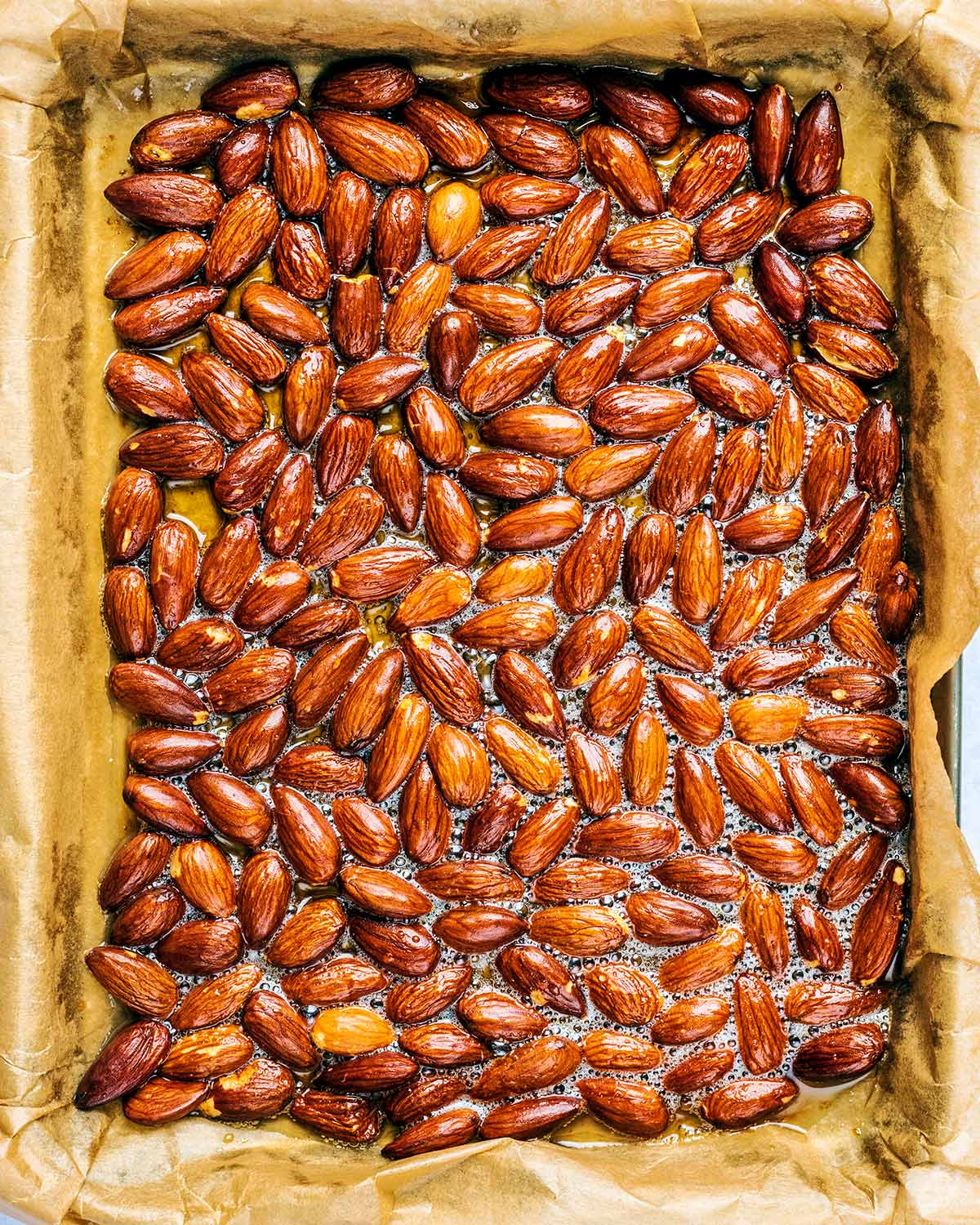
- Roast the almonds: Roast for 15 minutes, keeping an eye on them towards the end so they don't catch.
💡 Roasting gives the almonds a deeper flavour and helps produce a much more flavoursome almond butter.
- Cool the almonds: Remove from the oven and leave them to cool for 5-10 minutes.
💡 Let the almonds cool until they are just warm. If they are too hot, they can overheat your food processor; if they cool completely, they can take considerably longer to process.
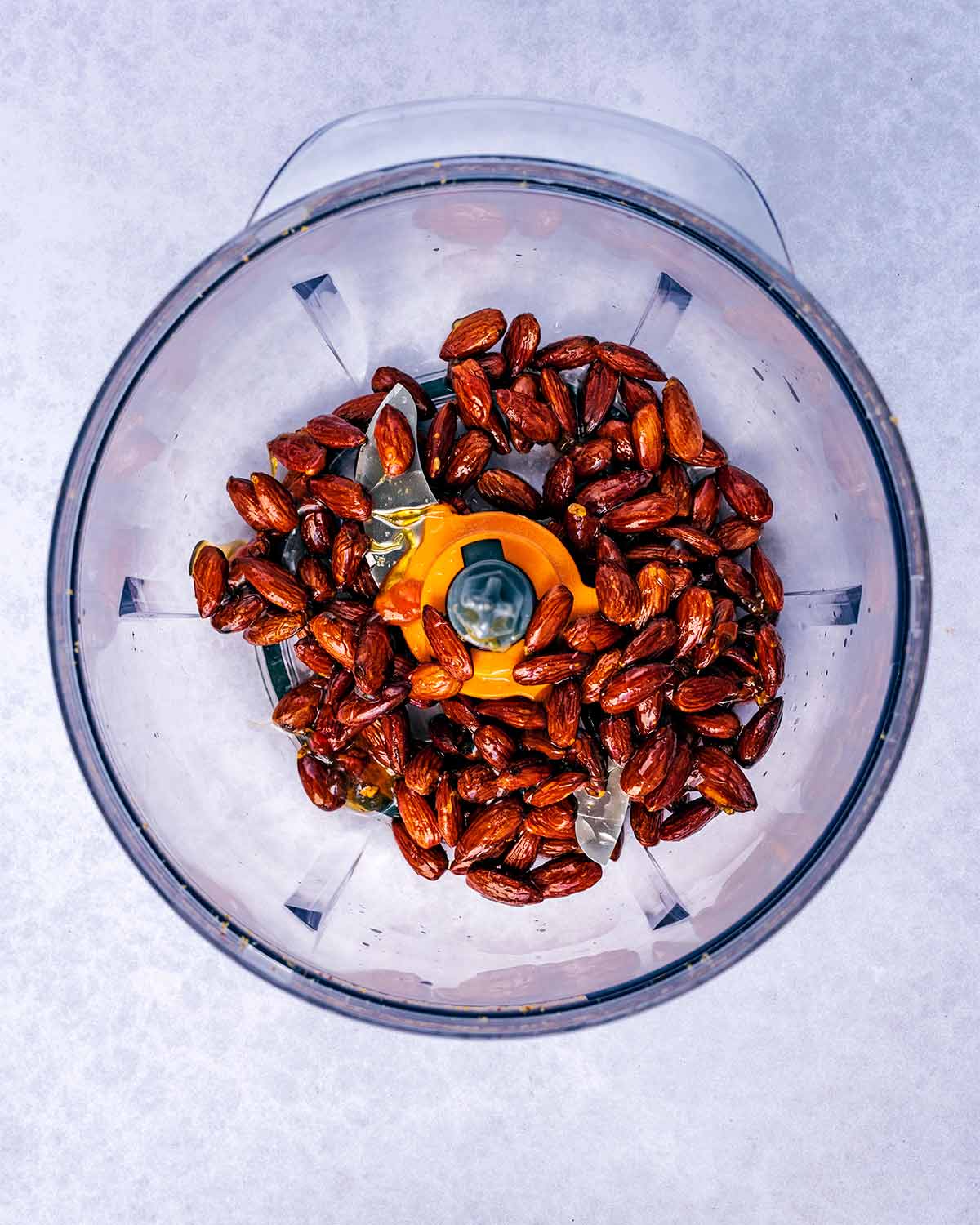
- Add the almonds to the food processor: Transfer the roasted almonds to a food processor or high-powered blender and add the vanilla and sea salt.
Start blending. This is where patience comes in.
The almonds won't immediately look like almond butter.
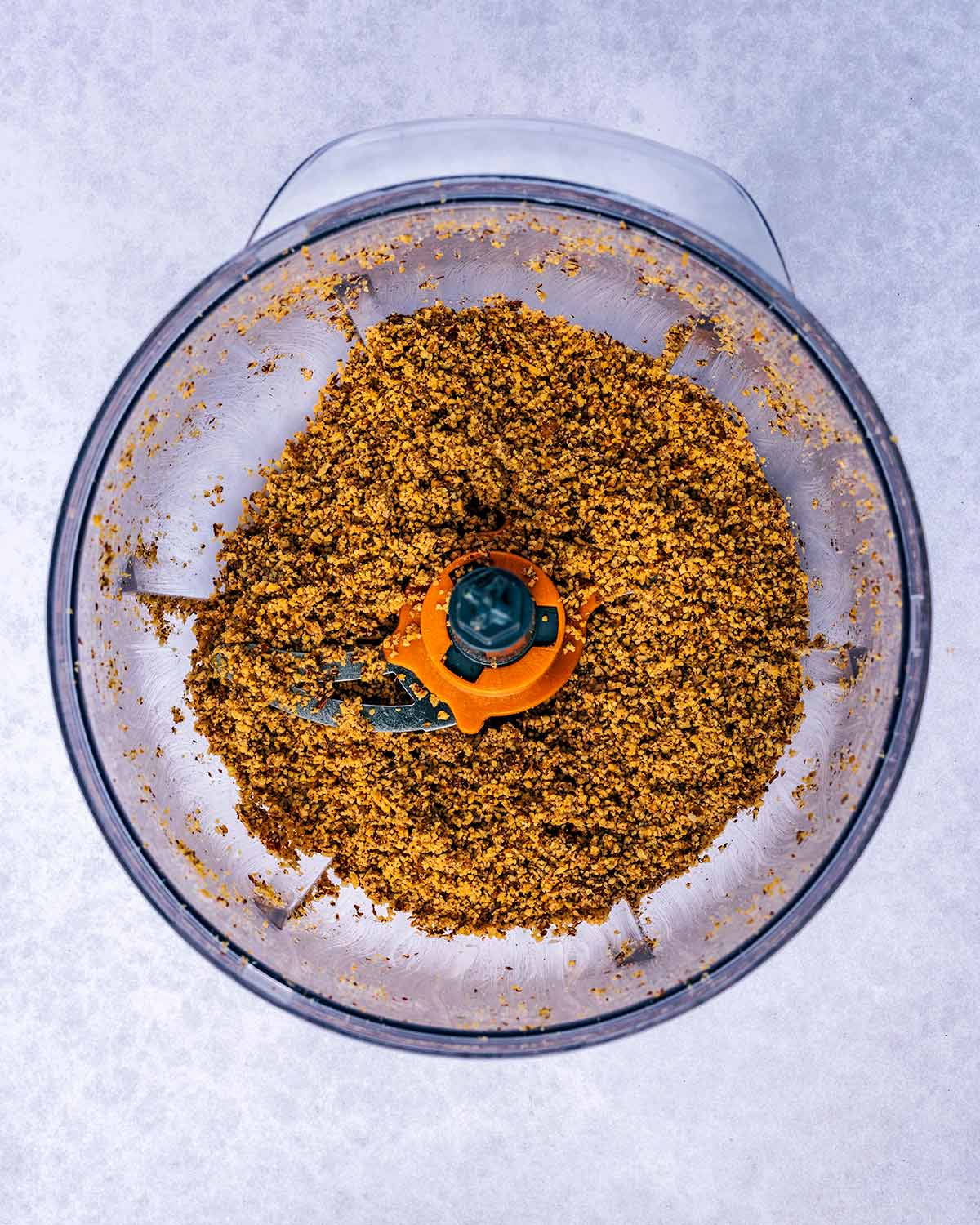
- Keep blending until creamy: They will first become fine crumbs, then start to clump together.
- Stop occasionally to scrape down the sides. Depending on the power of your machine, this can take around 10-20 minutes.
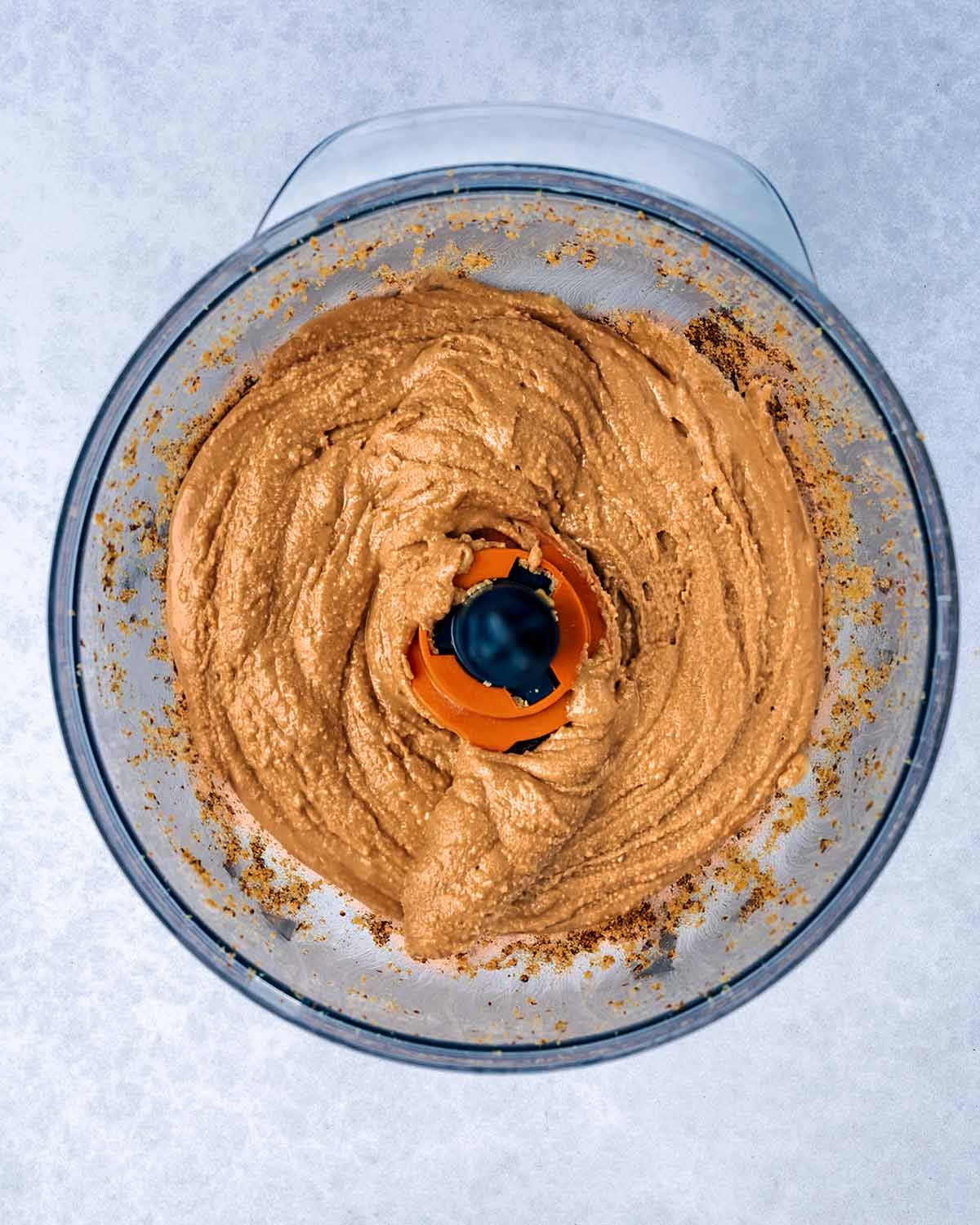
- Adjust to taste: The mixture may form a thick ball and travel around the food processor bowl before gradually becoming softer, smoother and glossier.
Once it is smooth and creamy, taste and adjust the salt or flavourings if needed.
What Should Almond Butter Look Like as it Blends?
If this is your first time making almond butter, don't panic when it looks dry.
It normally goes through something like these stages:
Whole almonds → almond crumbs → fine almond meal → thick clumps → dense paste → smooth, glossy almond butter.
The stage between crumbs and creamy butter can feel frustratingly long. Keep going. If your machine starts getting very hot, stop for a few minutes rather than risking the motor.
Why Isn't My Almond Butter Turning Creamy?
This is probably the most common problem with homemade almond butter.
Usually it just needs longer in the food processor. Make sure you stop and scrape the sides down so the nuts keep moving towards the blades.
The size of the batch matters too. Too few almonds in a large processor can leave the blades spinning underneath the mixture rather than properly processing it.
If it really isn't loosening after plenty of blending, add one teaspoon of melted coconut oil at a time until you reach the consistency you want.
Avoid adding lots of liquid at once.
How to Use Almond Butter
There are so many uses for almond butter that a jar rarely lasts very long.
Try it:
- Spread on toast.
- Stirred into porridge or overnight oats.
- Spread over banana bread.
- Drizzled over pancakes or waffles.
- Blended into a smoothie.
- Served as a dip for apple, pear or strawberry slices.
- Spread inside a croissant.
- Drizzled over ice cream or yoghurt.
- Mixed into energy balls.
- Used in homemade granola bars.
- Added to brownies or cookies.
- Used as the base of a dressing or nutty sauce.
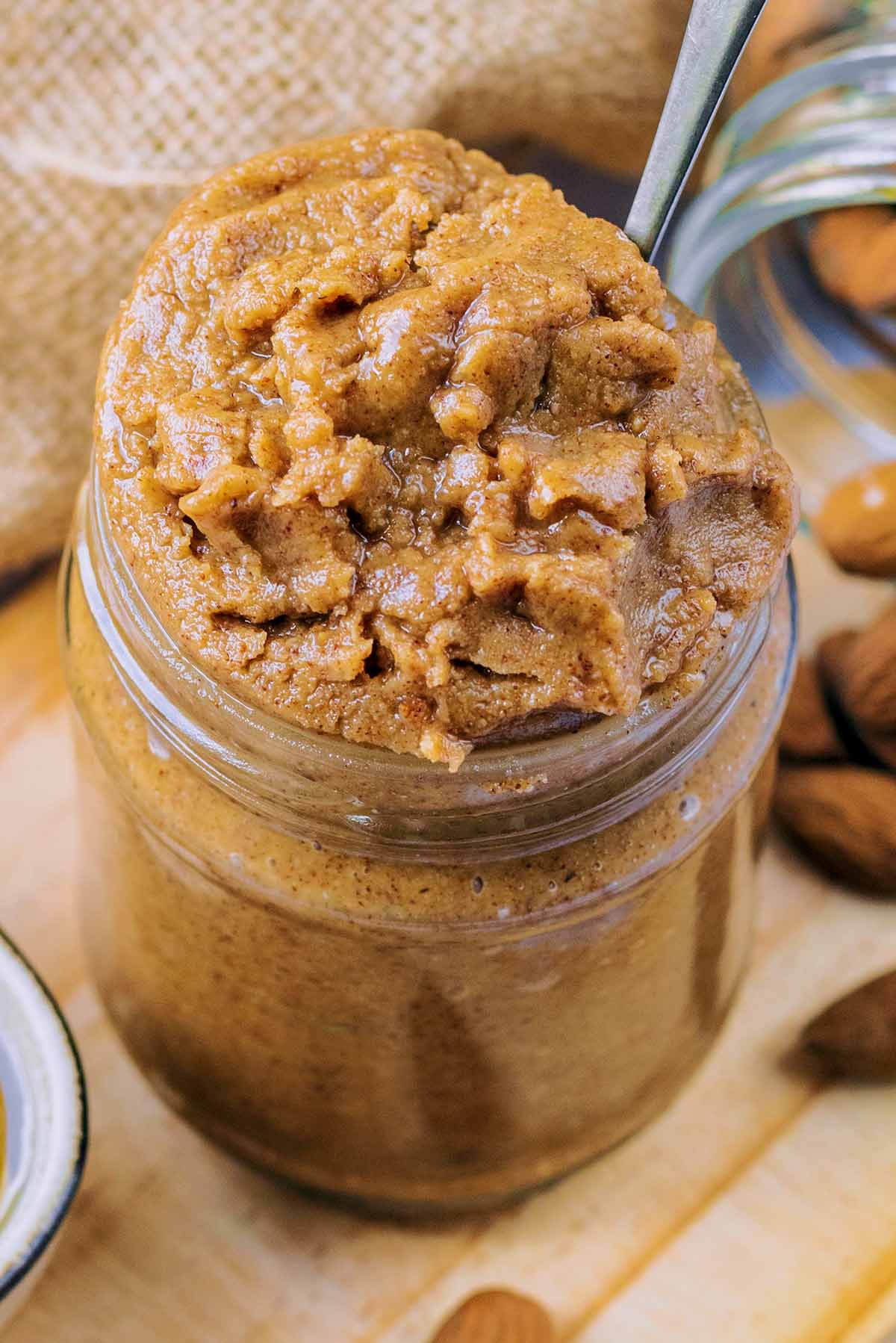
It is also very good straight from the jar with a spoon. Not that I know anything about that!
Is Homemade Almond Butter Cheaper Than Shop-Bought?
It can be, but it depends on the price of the almonds and the brand of almond butter you normally buy.
The fairest way to compare them is by weight. Look at the cost of the quantity of almonds you are using and compare it with a similar-sized jar of almond butter.
We normally buy standard skin-on almonds rather than more expensive speciality almonds, and buying a larger pack or stocking up when they are on offer can make a big difference.
Even when the saving is small, homemade has another advantage: you control the flavour, sweetness and texture.
And flavoured almond butter tends to be much more expensive than the basic versions in supermarkets.


How To Store Homemade Almond Butter
Spoon the almond butter into a clean, airtight jar once it has finished blending and cooled.
We prefer to keep homemade almond butter in the fridge. It will become firmer when chilled, so let it sit at room temperature for a short while if you want a softer, more drizzleable texture. It will keep for about 2 weeks.
Always use a clean spoon when serving it.
Dannii's Top Tips
- Buy raw almonds and roast them yourself rather than paying extra for roasted almonds.
- Don't give up when the mixture still looks like almond crumbs. The creamy stage comes later than you expect.
- Stop and scrape down the processor regularly.
- Give your machine a break if the motor starts becoming very hot.
- Add extra oil only a teaspoon at a time. It is much easier to thin almond butter than make it thick again.
- Keep the basic recipe the same and change the flavourings depending on what you have in the cupboard.
- And remember how noisy this recipe is before starting the food processor whilst somebody is on a work call!
Troubleshooting Guide
| Problem | Likely cause | Fix |
|---|---|---|
| Almond butter stays crumbly or dry | It hasn't been blended for long enough, or the batch is too small for the processor | Keep blending and scrape down the sides regularly. If it still won't loosen, add melted coconut oil 1 teaspoon at a time. |
| Almond butter is grainy rather than creamy | The almonds haven't released enough of their natural oils yet | Keep processing. It can take 10-20 minutes depending on your machine. |
| Food processor is getting very hot | The almonds were too hot when added or the machine has been running continuously | Switch it off and allow the motor to cool before continuing. Let roasted almonds cool for 5-10 minutes before blending. |
| Almond butter is too thick | It needs more blending or a little more oil | Blend for another few minutes first. If needed, add melted coconut oil 1 teaspoon at a time. |
| Almond butter is too runny | Too much coconut oil has been added or the mixture is still warm | Refrigerate it so it firms up. Next time, use slightly less coconut oil and only add extra oil gradually. |
Frequently Asked Questions
You don't have to, but we really recommend it. Roasting gives the almonds a deeper flavour and helps make a delicious roasted almond butter.
The blending itself can take around 10-20 minutes depending on your food processor or blender.
At first it will look as though nothing is happening. Keep processing, stopping occasionally to scrape the sides down, and the almonds will gradually release their oils and become creamy.
Yes. A high-powered blender can make almond butter, although a food processor is often easier because the wider bowl allows the almonds to move around more freely. Make sure you use enough almonds for the blades to catch them, stop to scrape down the sides as needed and give the motor a break if it starts getting hot.
We have successfully used a NutriBullet for a smaller batch. You may need to stop it more often and push the mixture back towards the blades.
Always follow the instructions for your particular machine and stop if the motor becomes too hot.
Almonds naturally contain oils, so some almond butter recipes don't need any extra oil.
This honey and vanilla version uses coconut oil, which helps give it a smooth and silky texture.
If you prefer a thicker consistency, use less. If your almond butter is too thick, add melted coconut oil a teaspoon at a time.
Usually it needs more blending.
Scrape down the sides and keep processing. If it still isn't loosening, add a teaspoon of melted coconut oil and blend again.
More Nut Recipes
If you've tried this homemade almond butter recipe, let us know how you got on in the comments below.
Tag us in your creations on Instagram @hungryhealthyhappy and use the hashtag #hungryhealthyhappy too.
Recipe
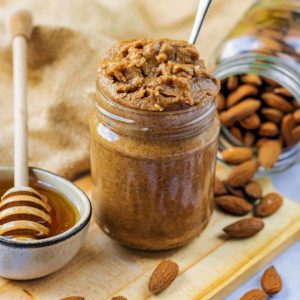
Homemade Almond Butter with Honey & Vanilla



Recipe Video
Ingredients
- 2 tablespoons of Coconut oil - melted
- 3 tablespoons of Honey
- 200 g (1 ½ cups) of Almonds
- 1 teaspoon of Vanilla extract
- ¼ teaspoon of Fine sea salt
Instructions
- Preheat: Preheat your oven to 180°C/160°C(fan)/350°F/Gas 4.
- Mix: Mix 2 tablespoons of Coconut oil (melted) and 3 tablespoons of Honey together.
- Prepare the almonds: Spread 200 g of Almonds in an even layer over a lined baking tray and pour over the honey and coconut oil mixture. Stir until the almonds are evenly coated.
- Roast the almonds: Roast for 15 minutes, keeping an eye on them towards the end so they don't catch.
- Cool the almonds: Remove from the oven and leave them to cool for 5-10 minutes.
- Add the almonds to the food processor: Transfer the roasted almonds to a food processor or high-powered blender and add 1 teaspoon of Vanilla extract and ¼ teaspoon of Fine sea salt.Start blending. This is where patience comes in. The almonds won't immediately look like almond butter.
- Keep blending until creamy: They will first become fine crumbs, then start to clump together.
- Stop occasionally to scrape down the sides. Depending on the power of your machine, this can take around 10-20 minutes.
- Adjust to taste: The mixture may form a thick ball and travel around the food processor bowl before gradually becoming softer, smoother and glossier.Once it is smooth and creamy, taste and adjust the salt or flavourings if needed.
Recipe Notes
- Buy raw almonds and roast them yourself rather than paying extra for roasted almonds.
- Don't give up when the mixture still looks like almond crumbs. The creamy stage comes later than you expect.
- Stop and scrape down the processor regularly.
- Give your machine a break if the motor starts becoming very hot.
- Add extra oil only a teaspoon at a time. It is much easier to thin almond butter than make it thick again.
- Keep the basic recipe the same and change the flavourings depending on what you have in the cupboard.
- And remember how noisy this recipe is before starting the food processor whilst somebody is on a work call!
Nutritional Information
Where nutritional information is provided, it is approximate and calculated using online tools. Values can vary depending on the ingredients and brands used, but we endeavour to be as accurate as possible.
All timings are a guide and may vary depending on the ingredients, equipment and, where relevant, the appliance used. Changing the serving size may also affect the time needed.



Kasey says
1st time making almond butter but it won't be the last. I misread the oven temp, 180*F instead of 350*F. I doubled the recipe & ended up having to do 1/2 at a time as my processor is not heavy duty. I added cinnamon to mine. It did take quite a while for it to become creamy but it was worth the time. It is delicious & healthy & I will be shopping for a heavy duty processor.
Dannii says
So glad you enjoyed it. Yes, a high speed food processor is definitely worth it if you plan to make a lot of nut butter.
Biana says
Looks amazing! I love how you are adding honey and vanilla to almond butter, they add so much flavor.
Gina says
I haven't made homemade nut butter in years but this is inspiring me to get back at it - SO much more affordable and I love having control of the flavors, definitely adding some vanilla and honey like you've done here!
David says
I love almond flavor and this nut butter is a perfect way to enjoy it! Great easy to follow steps. Yes, homemade is a great way to save money!
Jac says
Oh this looks incredible especially roasting the almonds before preparing the nut butter. That will add so much more flavour. I have all the ingredients so going to try this although using maple syrup to replace honey.
Andrea says
Great tips Dannii. I haven't tried almond yet, but I have made hazelnut butter, which is always so expensive to buy. I'm also going to try cashew as it's used in lots of recipes I like. The only problem with my hazelnut butter was storage as it eventually went mouldy in the fridge, but I'm wondering if this was due to adding a dash of water when processing.