

Looking for packed lunch ideas for kids that are easy, varied and realistic for busy school mornings, with prep the night before options? This ultimate mix-and-match guide brings together more than 100 children's lunchbox ideas, including mains, fruit, vegetables, snacks and hot lunches, so you will always have plenty of packed lunch ideas to choose from.
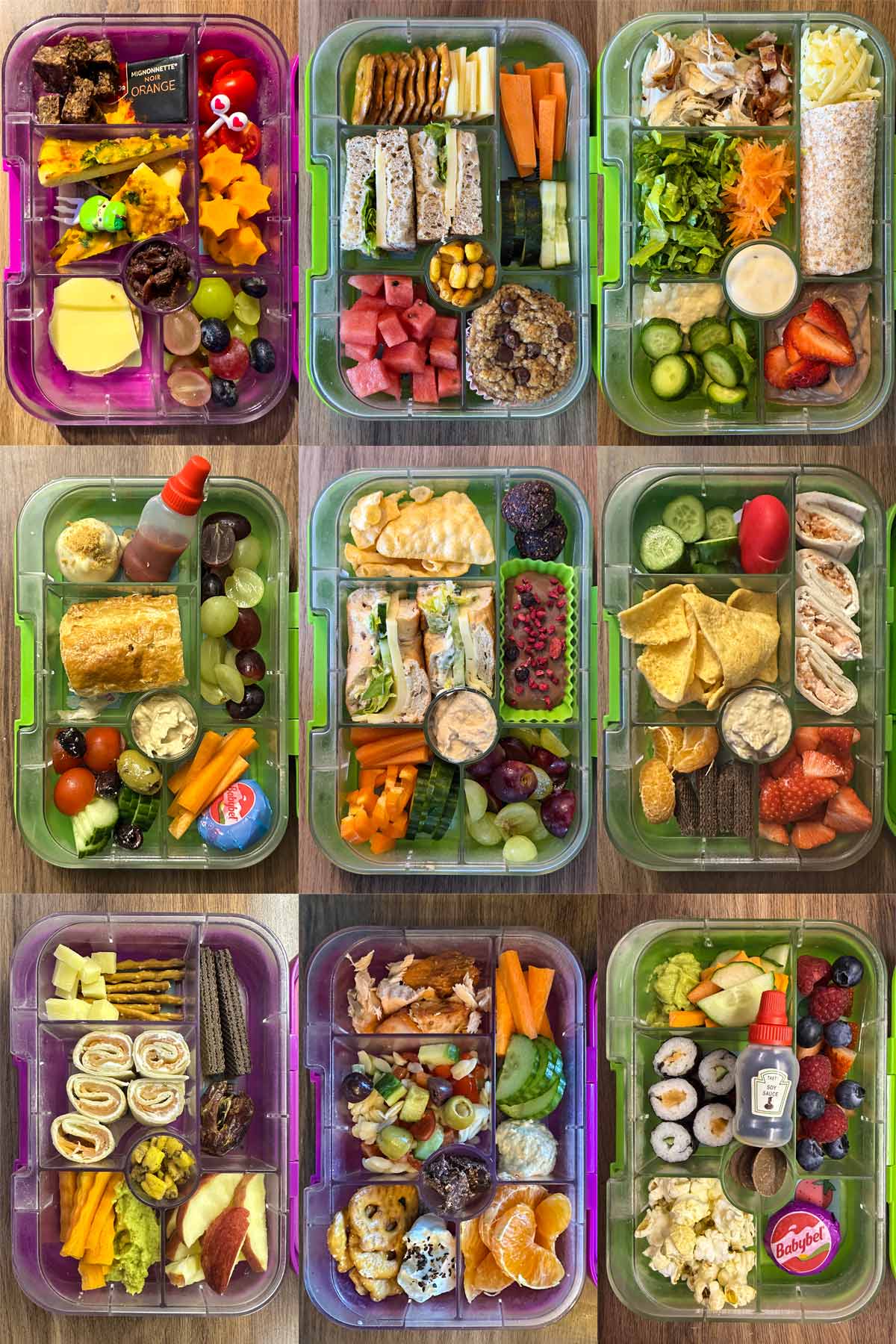
Rather than giving you a handful of set lunches and expecting you to copy them exactly, I have created a huge lunchbox library that you can dip into whenever inspiration disappears. Pick something from one list, add a favourite from another and build a lunch around the foods your child actually enjoys.
Like most parents, I did not start making packed lunches because I had endless spare time and a beautifully organised fridge. I wanted my children to have lunches they enjoyed, with plenty of variety, and I also found that packing them myself could work out cheaper than paying for school lunches. But it needed to be easy most of the time.
There have been plenty of mornings when I have stood in front of the open fridge wondering what I could put in their lunchboxes that I had not already packed several times that week.
I wanted familiar foods that I knew they would eat, but I also wanted lunch to be more interesting than the same sandwich, packet of crisps and chocolate bar on repeat.
Colour. Different flavours and textures. Homemade foods when I had time, useful shop-bought shortcuts when I did not, and most importantly, kids' lunch ideas that work in real life.
The lunches and ideas in this post are based on the lunches I have packed for my own children over the years. They have survived rushed mornings, school bags, changing appetites, food phases and, occasionally, a completely untouched compartment. Some are more elaborate. Many are not.
You do not need to make homemade sushi before sunrise. You do not need twelve miniature cutters. And you definitely do not need every packed lunch to look like a work of art.
This post is here to make packed lunches feel easier, not to give you another standard to live up to. I am sharing with you everything I have learnt from packing lunches for my children over the years.
Use what you have. Borrow one idea. The idea isn't to copy each of these packed lunches exactly; it is to use them as inspiration to create your own, that suit your own children's needs. Even if that means just one new food sitting amongst their safe foods.
Sometimes a new filling, a different fruit, a little pot of dip or yesterday's leftover pasta is all the inspiration you need.
Would you like to save this post?
Jump to:
- Article Overview
- How to use this post
- What this post is not
- What to put in a child's lunchbox
- Easy kids' lunch ideas to mix and match
- Hot packed lunch ideas for kids
- School snacks for kids
- Healthy packed lunch ideas
- Packed lunch ideas for fussy eaters
- Portions, appetites and returned food
- Ultra-processed foods
- How to keep packed lunches fresh and safe
- How to prepare school packed lunches ahead
- How to stop lunchboxes going soggy
- The lunchbox equipment I actually use
- My favourite lunchbox food products
- Easy school packed lunch ideas for the week
- Five ways to get kids involved
- My lunchbox rescue plan
- My 10 rules for easier packed lunches
- The lunchbox library
- A final note
- Feedback
Article Overview
- What is this? More than 100 packed lunch ideas for kids that you can mix and match rather than follow as a rigid meal plan.
- The quick formula: Choose a main + a starchy food + fruit and/or veg + an optional dip or spread + something enjoyable.
- You'll find: Sandwich alternatives, pasta lunches, grazing boxes, lunchbox snacks, hot food flask ideas, options for fussy eaters and plenty of complete school lunch combinations.
- Best tip: You do not need to reinvent the whole lunchbox. Keep plenty of familiar foods and change just one thing when you want to add variety.
- Remember: Adapt everything to your child's appetite, age, medical needs and your school's current food and allergy policies.
How to use this post
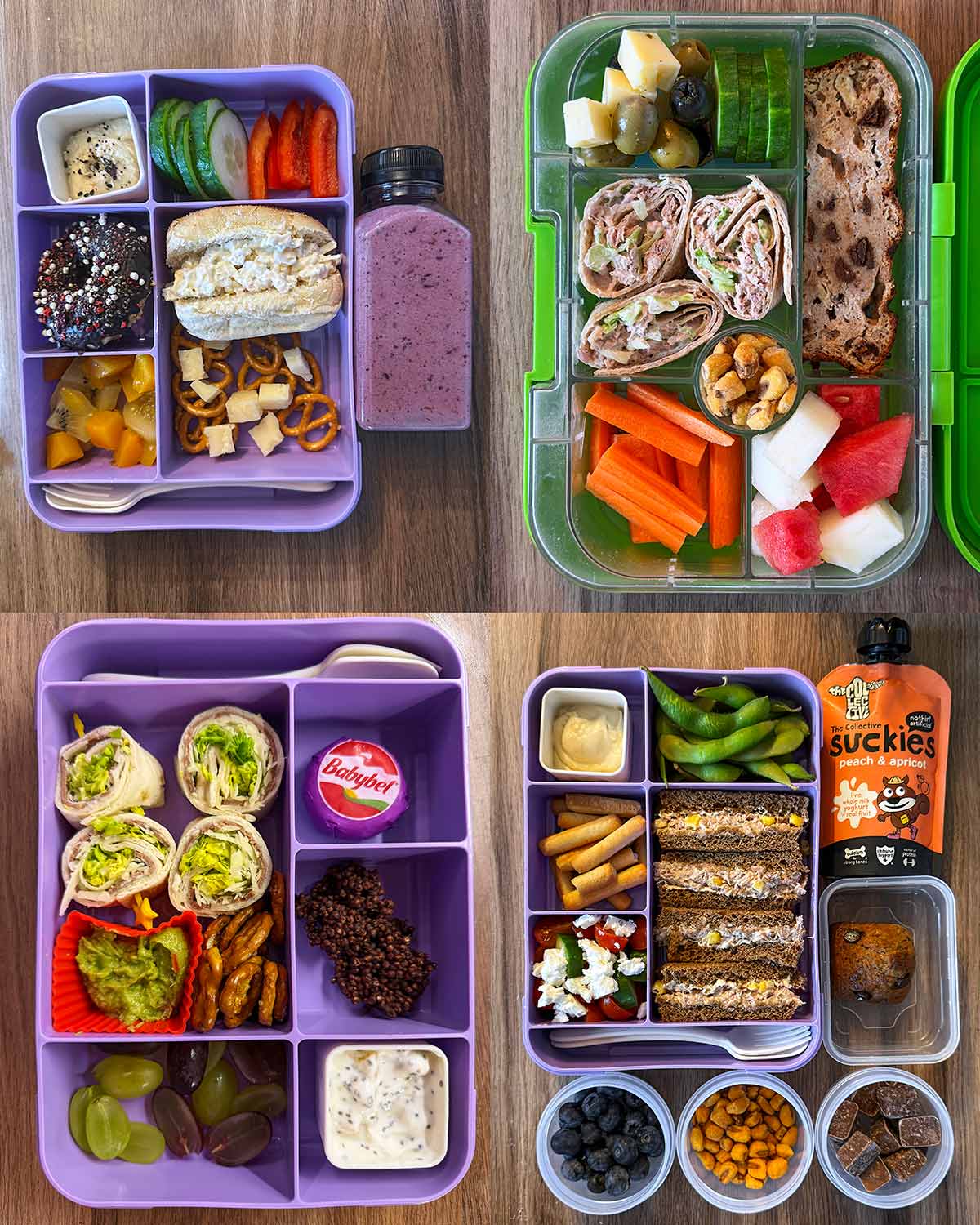
This is an ideas post rather than a strict step-by-step recipe. The lunchbox photographs are designed to be browsed. You can recreate the whole box, borrow one component or use it as the starting point for something completely different.
Sometimes we go to make a packed lunch and just stare into the fridge or cupboard totally uninspired. This post is here to inspire you and make packing lunches feel less daunting..
There are recipes for the foods that need them, including homemade sushi, hidden-vegetable sausage rolls, Greek yogurt muffins, chocolate yogurt, homemade jelly and other useful batch-prep favourites.
For everything else, there are combinations.
Think of the post as a lunchbox library.
You might turn to it when:
- You have bought a packet of wraps and need ideas for using them.
- Your child is tired of sandwiches.
- You need a nut-free school snack.
- You want to use leftover chicken or pasta.
- Your child has asked for a "snacky lunch".
- You need something that can be prepared the night before.
- You are packing lunch for yourself as well as the children.
- You simply cannot think of one more thing to put in that empty box.
You are not expected to copy every lunch exactly.
Exchange the berries for apple. Use cheddar instead of mozzarella. Leave out the olives. Replace smoked salmon with chicken. Add your child's favourite crackers. Adapt it to make it vegetarian. Pack one new food alongside several familiar ones.
The best lunchbox is not the one that looks most impressive. It is the one that works for your child and your day and gets eaten.
What this post is not
This post is not a portion guide, a calorie-counting plan or a promise that one particular lunchbox contains a perfect amount of anything.
Children are not identical. Their appetites are not identical either.
A child's hunger can change according to their age, growth, activity, sleep, health, morning meal and even how distracted they are at lunchtime. The same child may eat everything one day and very little the next.
For that reason, I have deliberately avoided prescribing exact quantities for each lunchbox and there is no focus on a specific amount of protein, fibre, carbohydrate or any other nutrient for each box.
Lunch is one meal within a much bigger picture. Each lunch box cannot be "too much" or "too little" of anything, as it is part of a day of eating. Some lunch boxes might be more carb-heavy than others. That's okay! It's great to focus on our eating as a bigger picture rather than a single meal (medical conditions aside of course).
The NHS Eatwell Guide explains that dietary balance does not need to be achieved at every individual meal. It is the overall pattern across a day or even a week that matters. This post is about offering variety and building useful habits over time. It is not about making every compartment meet a target. Making a lunch box can be stressful enough.
Please adapt the ideas to your child's appetite, developmental stage, medical requirements and school rules. Families managing allergies, coeliac disease, diabetes, swallowing difficulties, sensory feeding needs or another medical condition should follow the advice provided by their healthcare team, but hopefully you can also find something new in this post to try in your child's packed lunch.
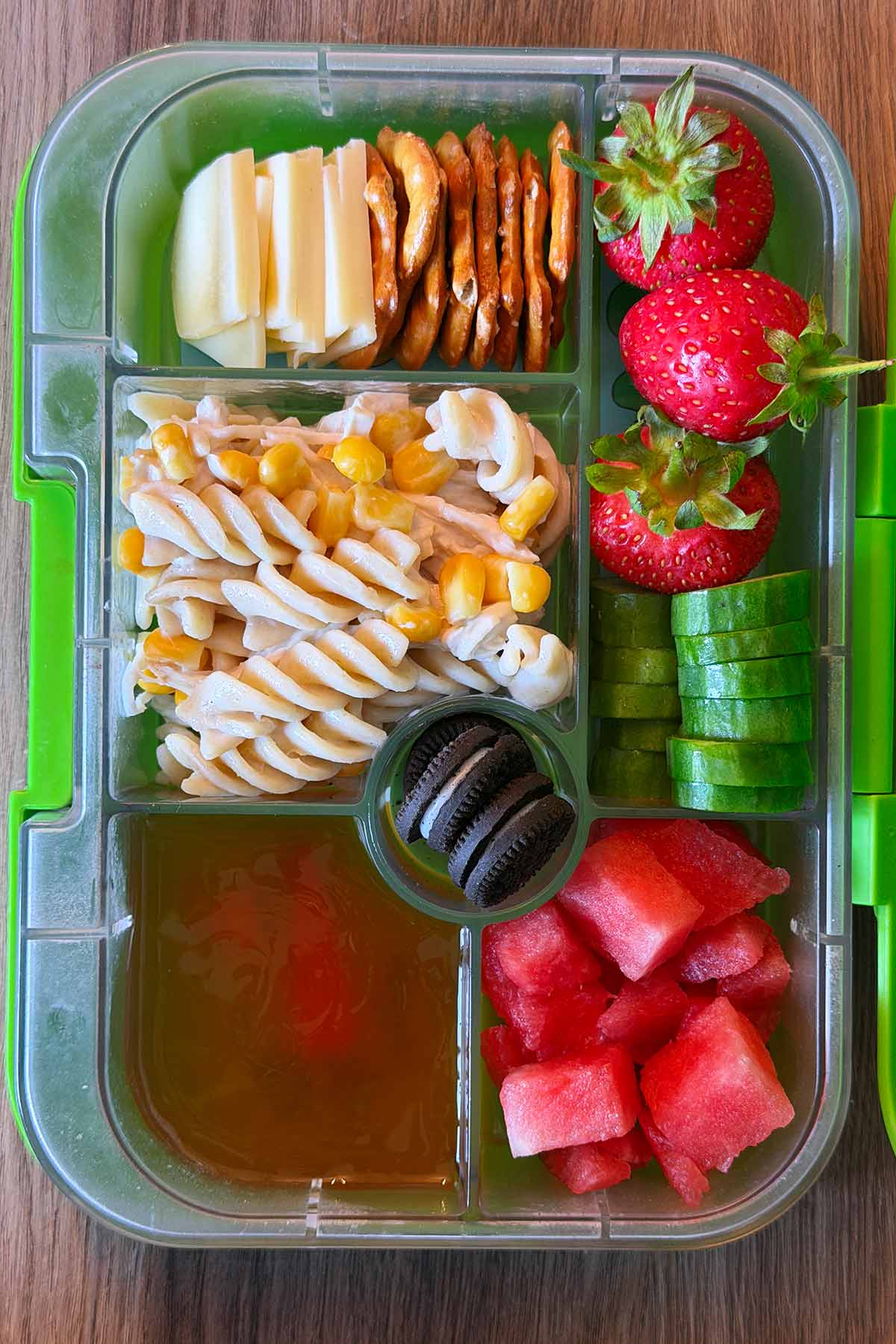
What to put in a child's lunchbox
There are countless ways to build a packed lunch, but having a loose formula makes those "what am I going to pack?" mornings much easier.
My simple lunchbox formula is:
- Choose a main or anchor
- Add a starchy food
- Choose fruit, vegetables or both
- Add a dip, spread or dressing if it works
- Include something enjoyable
And don't forget a drink. Water is the easiest everyday option for school, although you should follow your school's rules and your child's individual needs.
This is an idea generator, not a compulsory checklist.
Some foods cover several jobs at once. A chicken pasta salad could contain pasta, chicken, vegetables and dressing in one dish. A cheese and hummus sandwich combines several elements. A yogurt muffin crosses categories completely.
Real food does not always fit neatly into compartments, and your child's lunch does not need to either. The purpose of the formula is to give you somewhere to start.
1. Choose a main or anchor
This is the food I tend to build the rest of the lunch around.
It might be protein-rich, but I do not think every lunch needs a visibly separate "protein portion". Sometimes the main is a sandwich, pasta dish, pastry roll or a portion of leftovers that already contains several different ingredients.
Meat and poultry ideas
- Sliced roast chicken
- Barbecue chicken
- Chicken Caesar filling
- Chicken meatballs
- Ham
- Turkey slices
- Leftover roast turkey
- Homemade chicken goujons
- Mini burgers
- Shredded beef
- Beef meatballs
- Cooked sausages
- Chicken or turkey pastry rolls
- Cheese and onion pastry rolls
- Sausage rolls with vegetables (pictured)
- Suitable leftovers from dinner
- Mini ham and cheese croissants
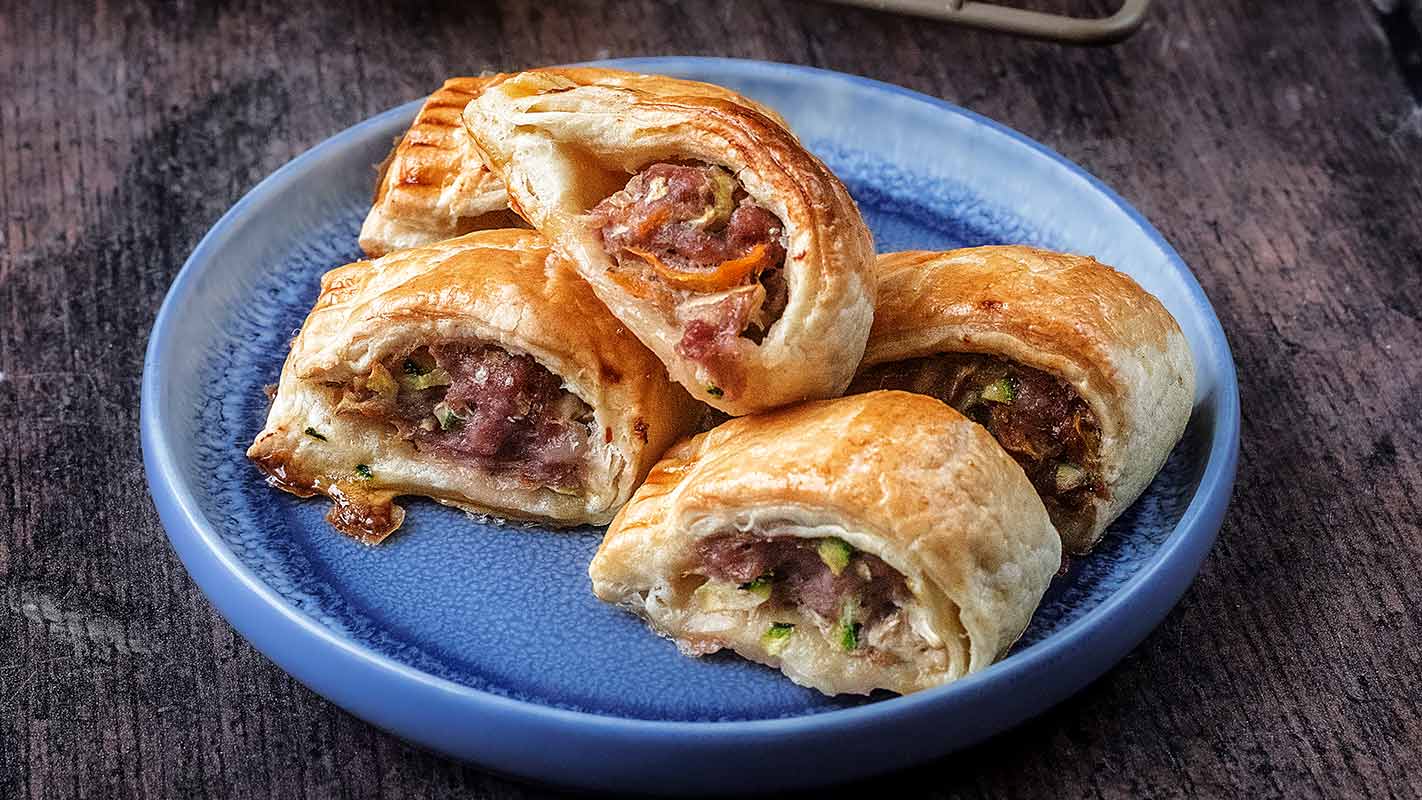
Fish ideas
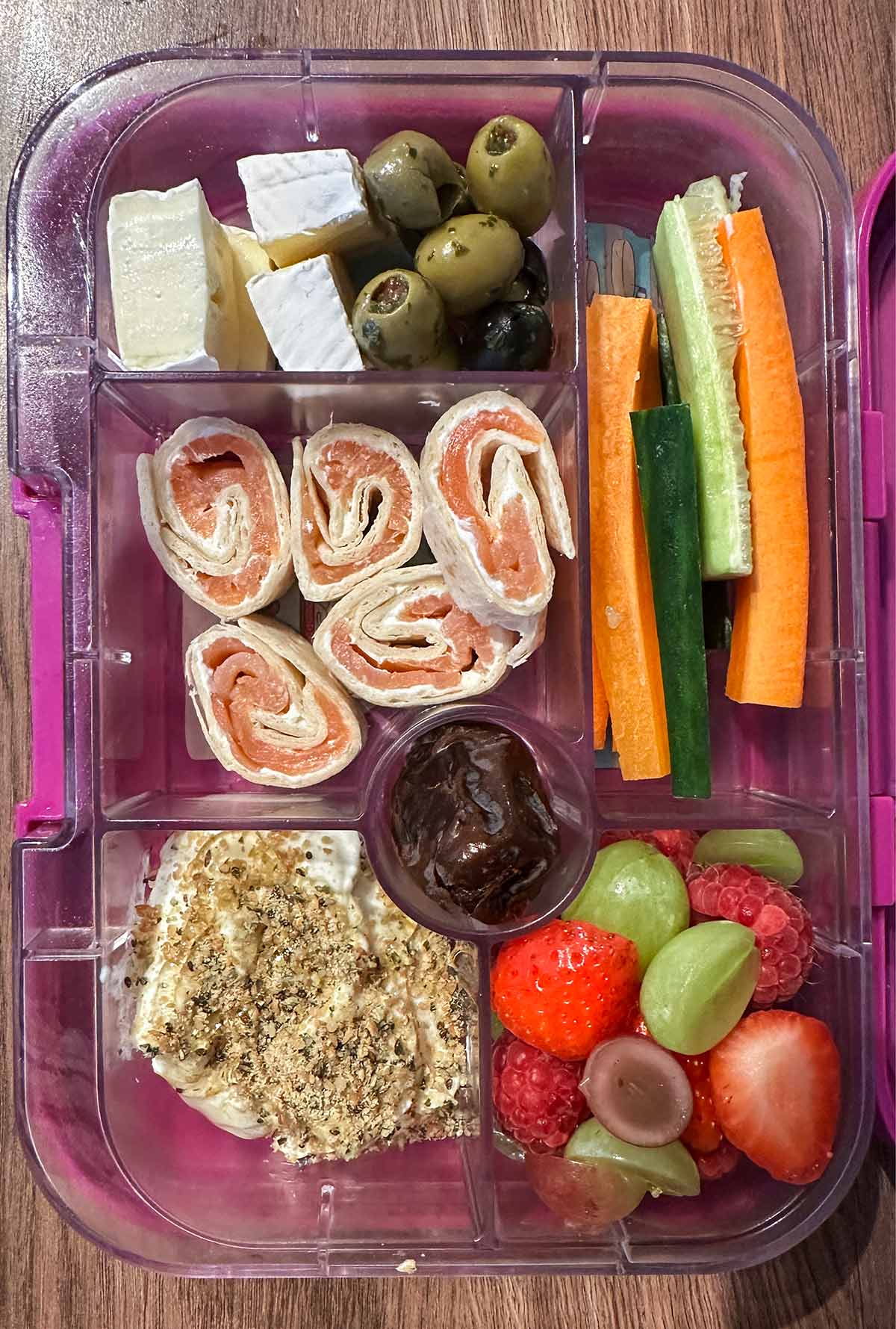
- Smoked salmon and cream cheese
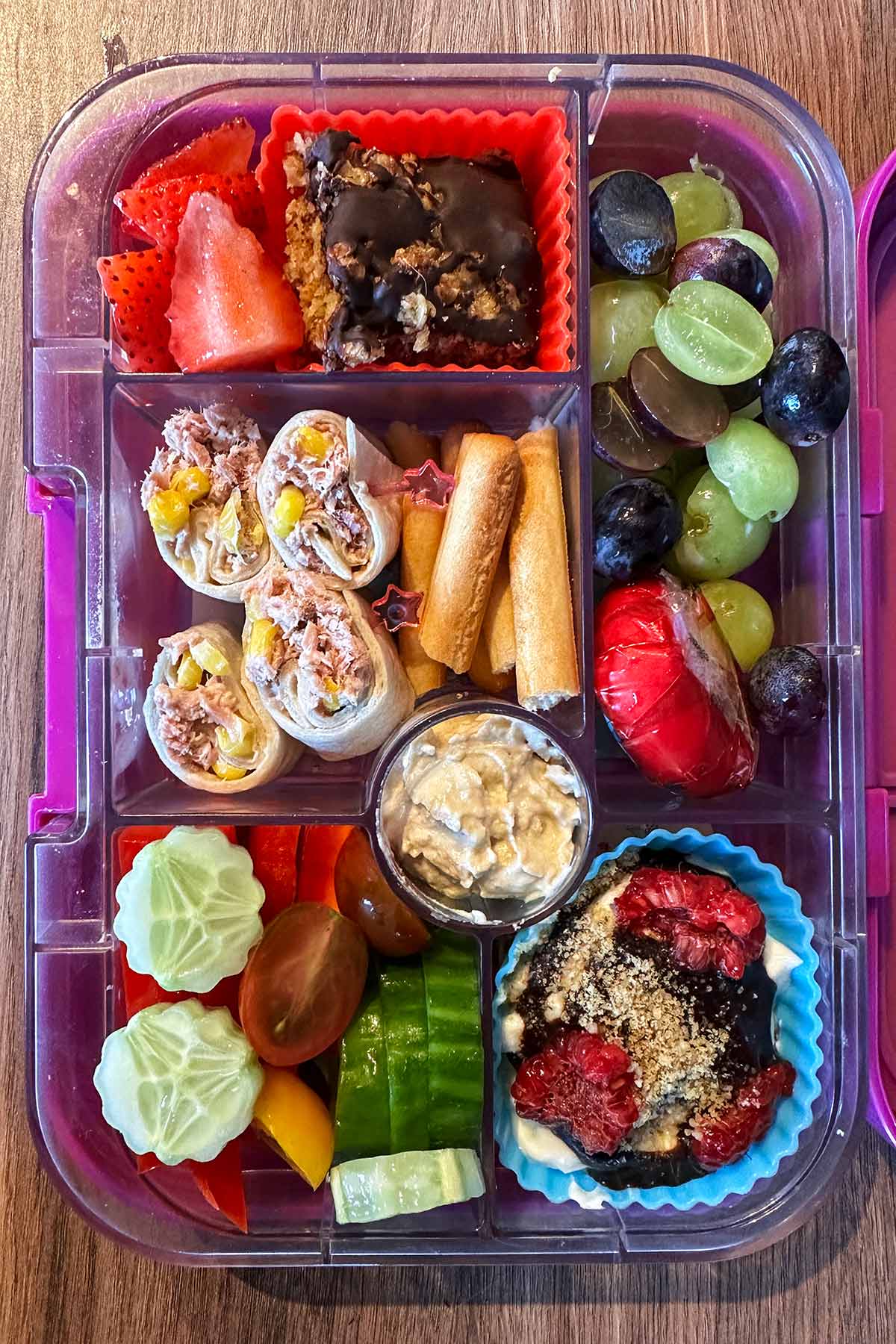
- Tuna and sweetcorn
- Tuna salad
- Tuna and cucumber
- Mini salmon fishcakes
- Cooked salmon flakes
- Prawn pasta salad
- Homemade sushi
- Tinned fish mixed through pasta or used in a sandwich or wrap
Remember that fish, meat and other chilled foods need appropriate cold storage until lunchtime.
Egg ideas
- Hard-boiled egg
- Sliced egg sandwich (pictured)
- Egg mayonnaise
- Mini omelette
- Baked egg cups
- Vegetable frittata
- Omelette wrap

Cheese and dairy ideas
- Cheddar cubes
- Mozzarella
- Brie
- Cream cheese
- Cottage cheese
- Plain yogurt
- Flavoured yogurt
- Greek yogurt
- Individually wrapped cheese
- Feta in a Greek-style salad
- Ricotta mixed through pasta
- Grated cheese for a build-your-own lunch
Plant-based ideas
- Hummus
- Butter bean hummus
- Edamame hummus
- Bean dip
- Edamame
- Falafel
- Lentil patties
- Chickpea salad
- Butter bean mash
- Black bean and sweetcorn filling
- Tofu pieces
- Tempeh
- Vegetable and bean burgers
- Roasted chickpeas, where age-appropriate
- Dairy-free yogurt
Your child does not need to like every food on this list. Mine do not either. This is simply somewhere to look when the usual favourites are starting to feel a little tired.
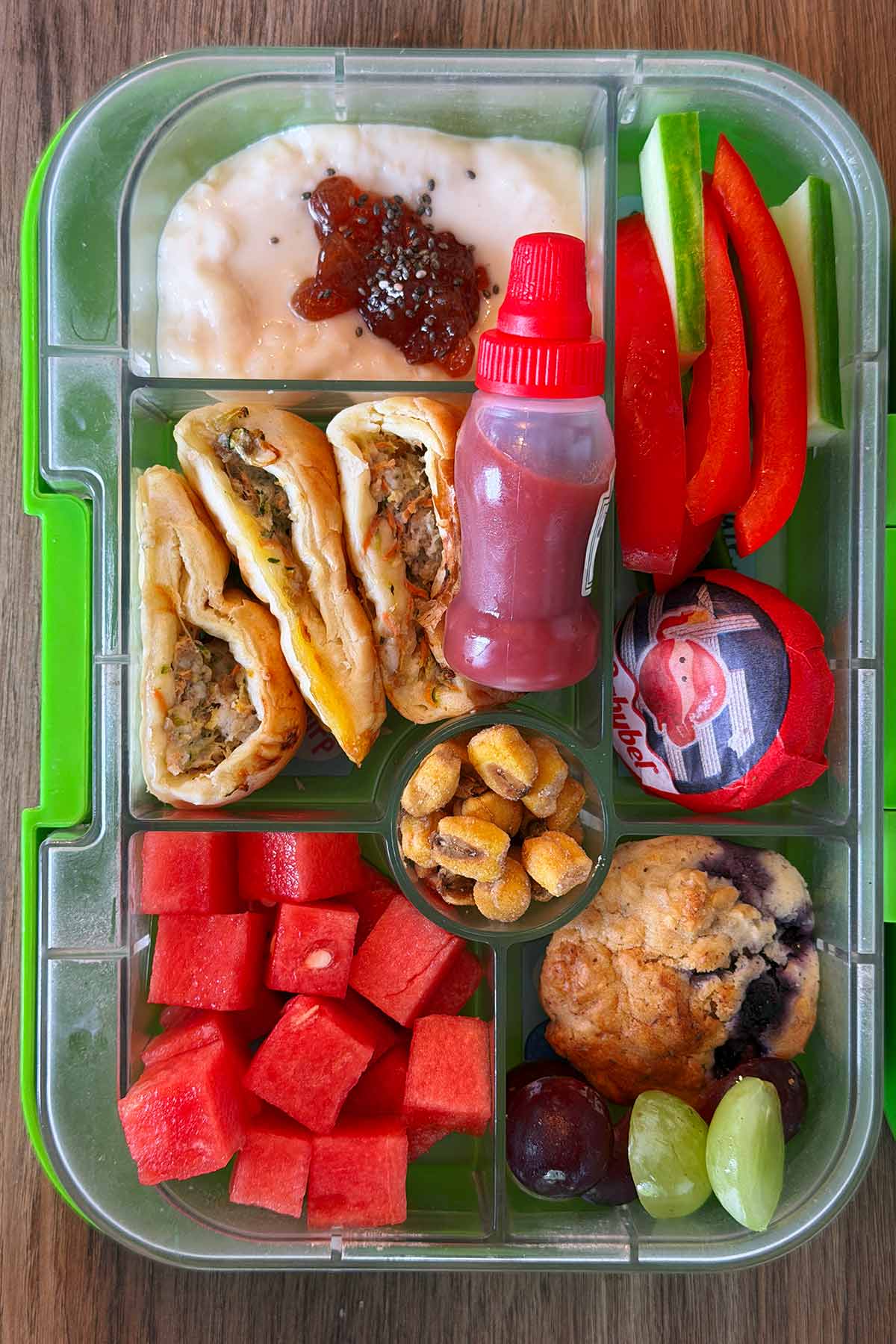
2. Add a starchy food
Starchy foods are often the practical base of a packed lunch, and this is one of the easiest places to create variety without completely changing what your child eats.
Bread, wraps and bakery ideas
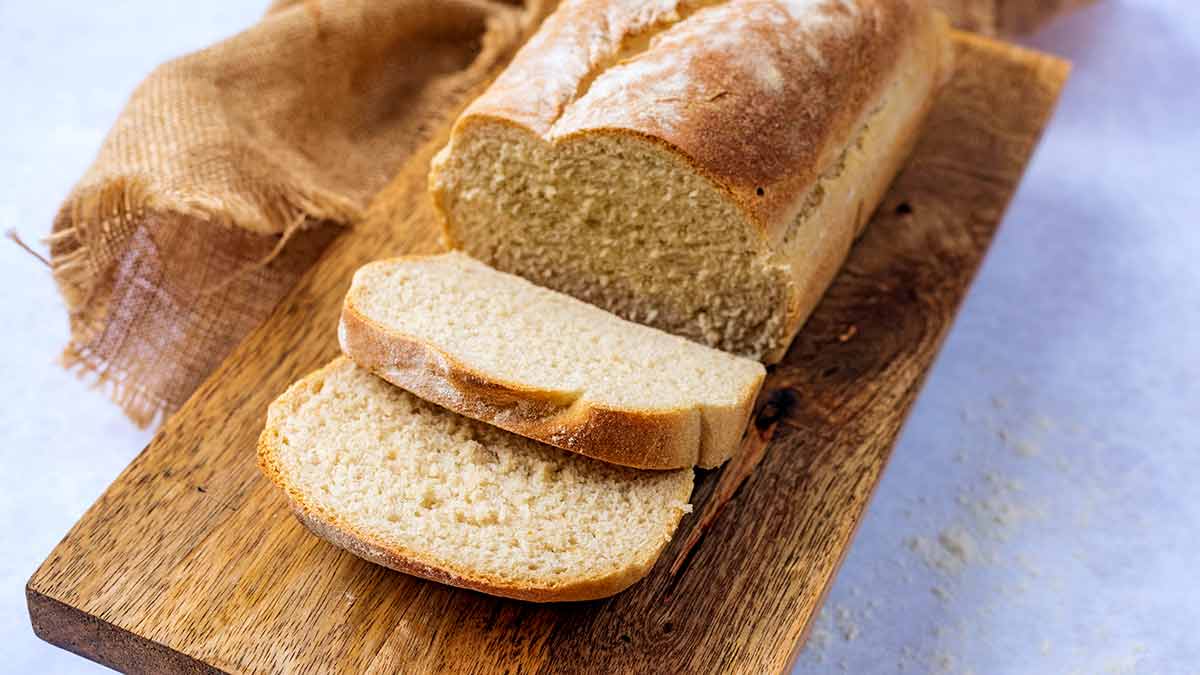
- White bread (pictured), wholemeal or half-and-half bread
- Seeded bread, if suitable and permitted at school
- Sourdough
- Bagels
- Mini bagels
- Bread rolls
- Brioche rolls
- Pitta bread
- Flatbreads
- Tortilla wraps
- Mini wraps
- Naan
- English muffins
- Crumpets
- Savoury muffins
- Pizza pinwheels
- Focaccia
- Breadsticks
- Oatcakes
- Crackers
- Crispbreads
- Homemade pizza slices
Pasta, rice and grain ideas
- Pasta salad
- Pesto pasta
- Tomato pasta
- Orzo
- Tortellini
- Couscous
- Quinoa
- Rice salad
- Sushi rice
- Noodles
- Bulgur wheat
- Pearl barley
- Leftover grain bowls
Potato and other ideas
- Baby potatoes
- Potato salad
- Sweet potato wedges
- Potato wedges
- Mini baked hash browns
- Corn on the cob
- Roasted corn
- Baked tortilla chips
- Vegetable or lentil crisps
- Oat bars
- Banana bread
- Savoury muffins
- Pastry rolls
- A slice of homemade loaf cake
Wholegrain, sourdough and higher-fibre versions can be great choices, but they are not the only acceptable ones.
Some children happily eat seeded bread and wholemeal wraps; others strongly prefer soft white bread. Taste, texture, appetite, cost and what is actually likely to be eaten all matter.
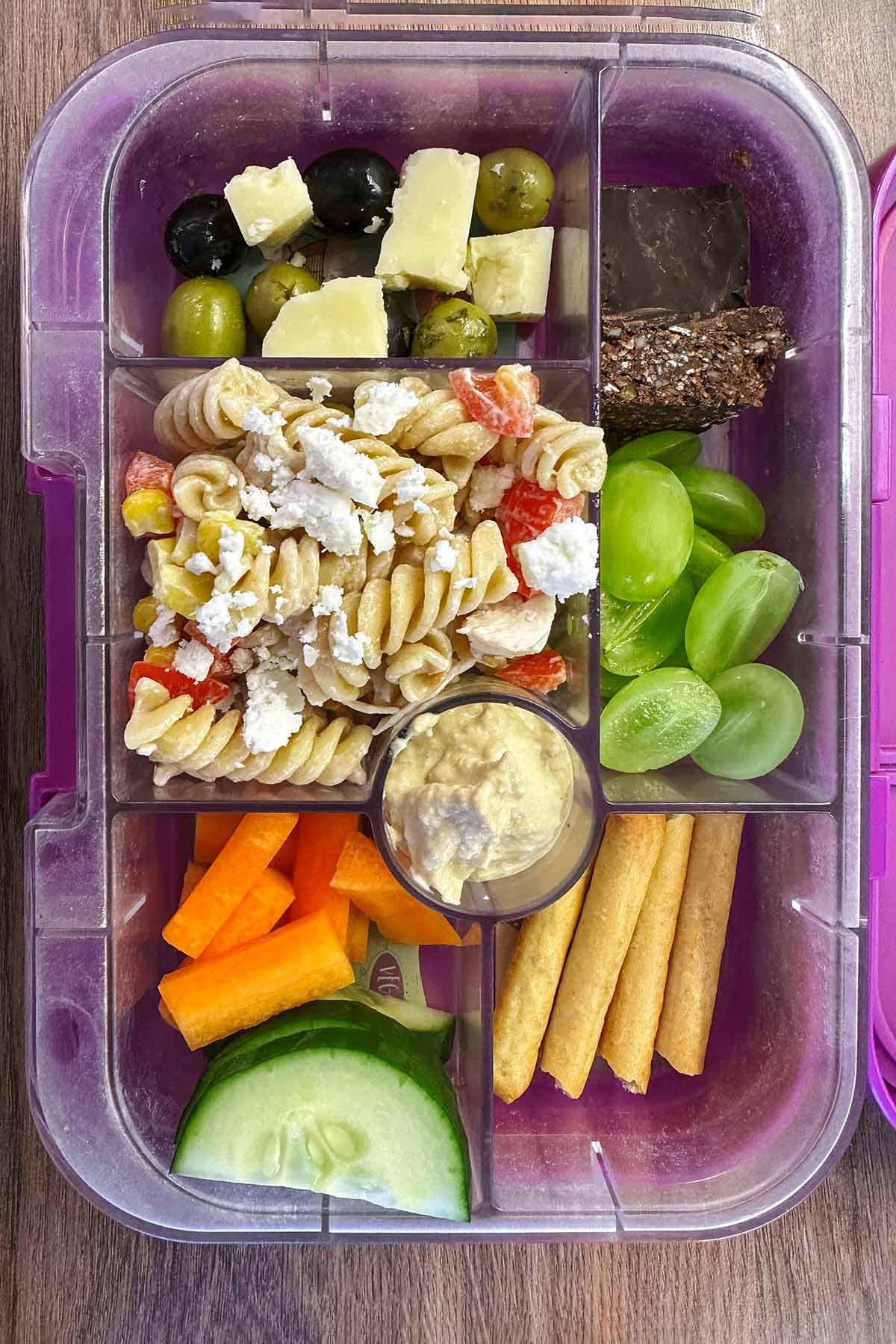
3. Add fruit and vegetables
You do not have to create an enormous rainbow in every lunchbox.
Use what is in season, what is affordable, what survives being carried around in a school bag and what your child is currently willing to eat or explore.
Fruit ideas for lunchboxes
- Apple slices*
- Small whole apples
- Pear
- Banana
- Grapes, prepared appropriately for your child's age
- Strawberries
- Raspberries
- Blueberries
- Blackberries
- Cherries, with stones removed
- Orange segments
- Satsuma
- Kiwi
- Melon
- Mango
- Pineapple
- Peach
- Nectarine
- Plum
- Apricot
- Passionfruit
- Pomegranate
- Figs
- Dragon fruit
- Fruit salad
- Stewed fruit
- Unsweetened fruit compote
- Dried fruit
- Frozen berries packed beside cold yogurt so they soften by lunch
*For apple slices, I find soaking them briefly in ice water, then draining and drying them well, can help them stay looking fresher.
Vegetable ideas for lunchboxes
Some of these are technically fruits, but I am filing them in the "veg compartment" for lunchbox purposes!
- Cucumber
- Carrot
- Pepper
- Cherry tomatoes, prepared appropriately
- Sugar-snap peas
- Mangetout
- Baby corn
- Celery
- Radishes
- Cooked green beans
- Peas
- Sweetcorn
- Roasted corn
- Roasted peppers
- Avocado
- Edamame
- Olives
- Greek salad
- Coleslaw
- Grated carrot
- Shredded lettuce
- Spinach inside wraps
- Vegetable sushi (pictured)
- Roasted vegetables
- Vegetable soup in a suitable food flask

Change the presentation
Sometimes you do not need a different vegetable. You just need to serve the same vegetable differently.
Try it:
- Grated
- Sliced into ribbons
- Roasted
- With a dip
- Cut with a crinkle cutter
- Added to a wrap
- Mixed through pasta
- Cut into small shapes
- Threaded onto an age-appropriate food pick
- Packed as part of a build-your-own meal
Presentation does not have to involve turning every cucumber into a dinosaur. A different cut or little pot of dip can be enough.
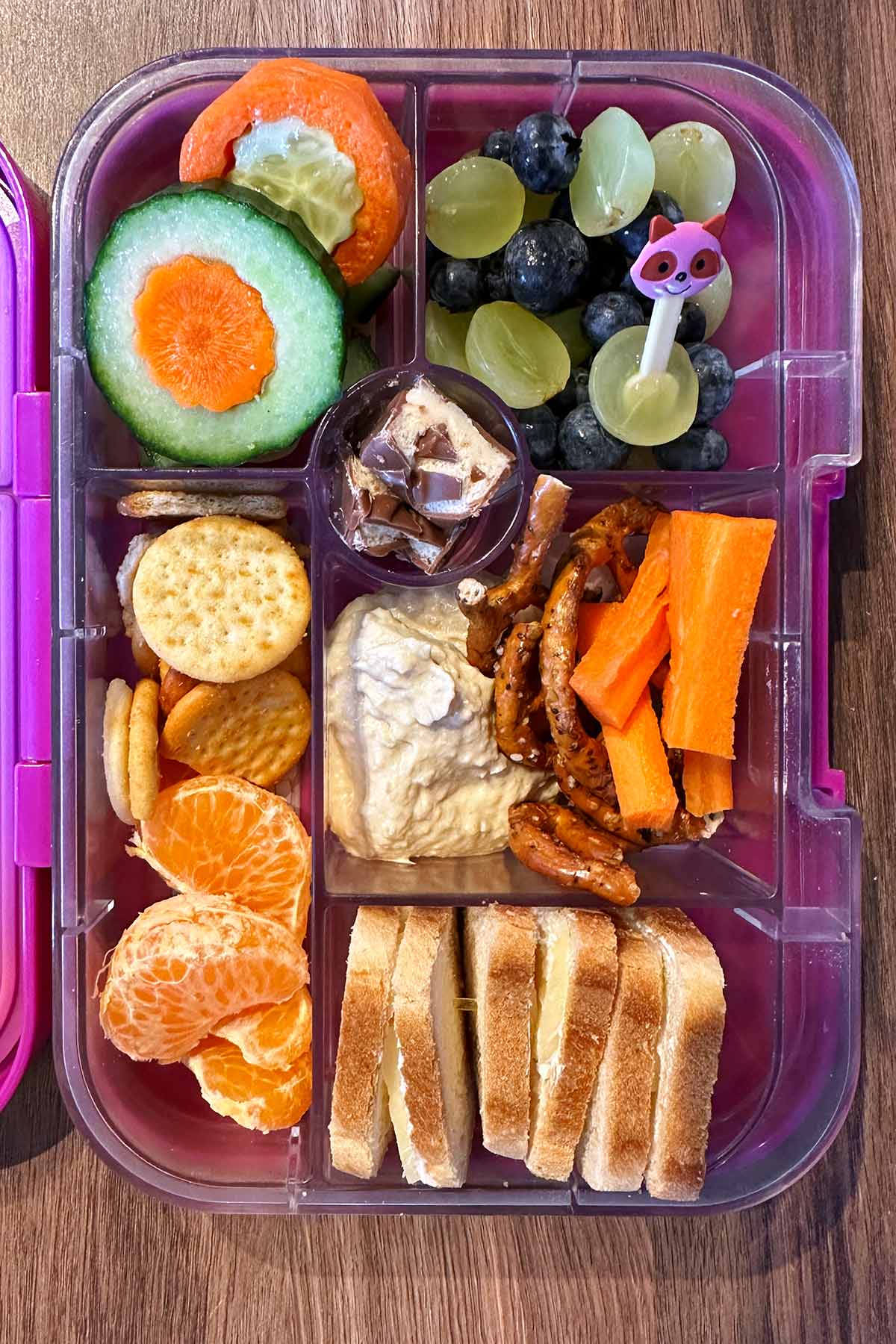
4. Add a dip, spread or dressing
Dips are one of my favourite lunchbox tools.
They add flavour and make plain vegetables, crackers, breadsticks and pitta feel much more interesting.
Try:
- Hummus
- Cottage cheese hummus
- Roasted red pepper hummus
- Beetroot hummus
- Carrot hummus
- Butter bean dip
- White bean dip
- Guacamole
- Avocado and yogurt dip
- Cream cheese
- Herby cream cheese
- Tzatziki
- Greek yogurt and herb dip
- Cottage cheese dip
- Mild salsa
- Tomato dip
- Nut-free pesto
- Pea pesto
- Soft cheese and sweetcorn
- Tuna mayonnaise
- Egg mayonnaise
- Caesar-style dressing
- Mild curry yogurt
- Olive tapenade
- Baba ganoush
- A suitable seed-based spread, where school policy permits it
Use a well-sealed little pot, especially for yogurt-based dips and dressings.
Thicker dips tend to travel better than runny dressings, and I keep anything wet separate from bread, salad leaves and crackers until lunchtime where possible.
Also check your individual school policy. Some schools restrict sesame as well as nuts, which can make standard tahini-based hummus unsuitable.
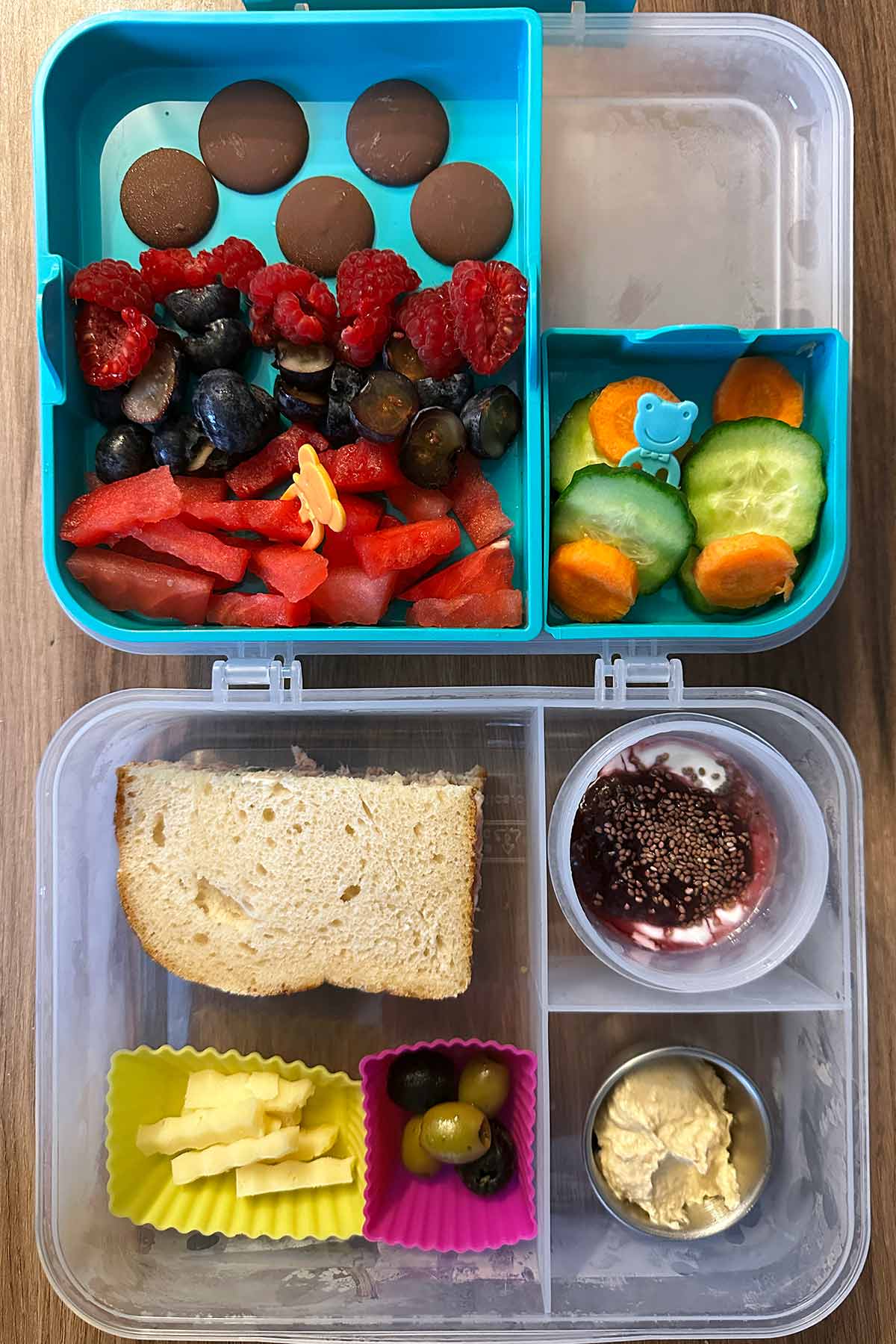
5. Include something enjoyable
I do not divide foods into "good" and "bad".
Some foods are particularly useful everyday building blocks. Some are more nutrient-dense than others, while some are simply enjoyable.
They can all have a place. An enjoyable lunchbox extra could be:
- Greek yogurt chocolate mousse
- Greek yogurt and fruit
- Homemade jelly
- Greek yogurt chocolate muffin
- Banana bread
- Small cookie
- Flapjack
- Mini pancake
- Chia pudding
- Fruit dipped in yogurt
- Popcorn, where age-appropriate and permitted
- Vegetable or lentil crisps
- Tortilla chips
- A small piece of chocolate
- Chocolate buttons
- Chocolate-topped seed bar
- Cottage Cheese Brownies
- Greek yogurt chocolate muffins
- High-protein banana muffins
- Homemade chocolate dessert
- A practical shop-bought snack your child enjoys
- Nut-free energy balls
- Carrot cake oat bars
I do not use these foods as a reward for eating the vegetables. They are simply another part of lunch.
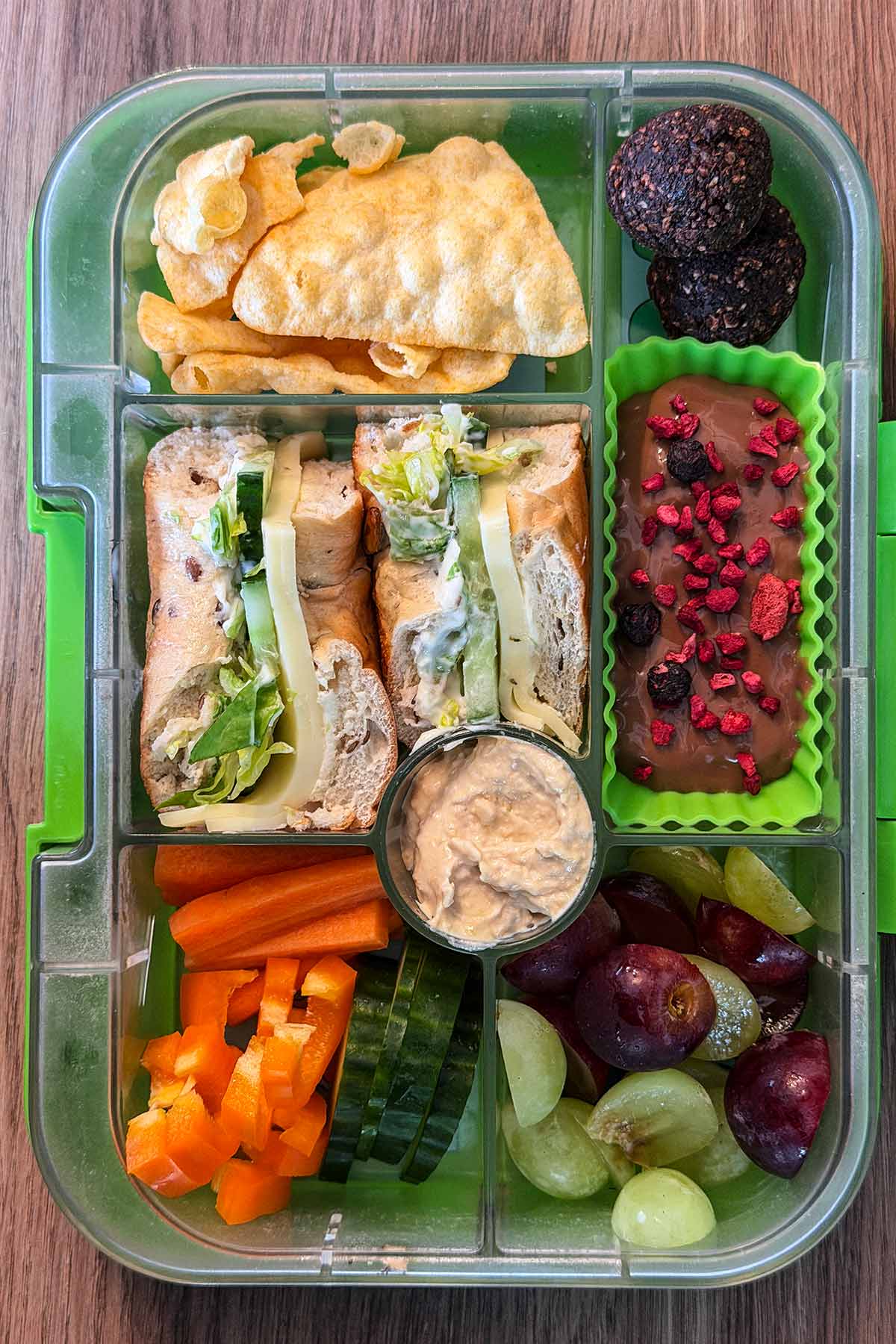
Easy kids' lunch ideas to mix and match
If you have read all those lists and are now thinking, "Fine, but what do I actually put together?", here are some complete kids' lunch ideas.
Use them exactly as written or swap anything your child does not enjoy.
Sandwich and wrap lunchbox ideas
- Hummus and grated cheddar sandwich + cucumber + strawberries + yogurt
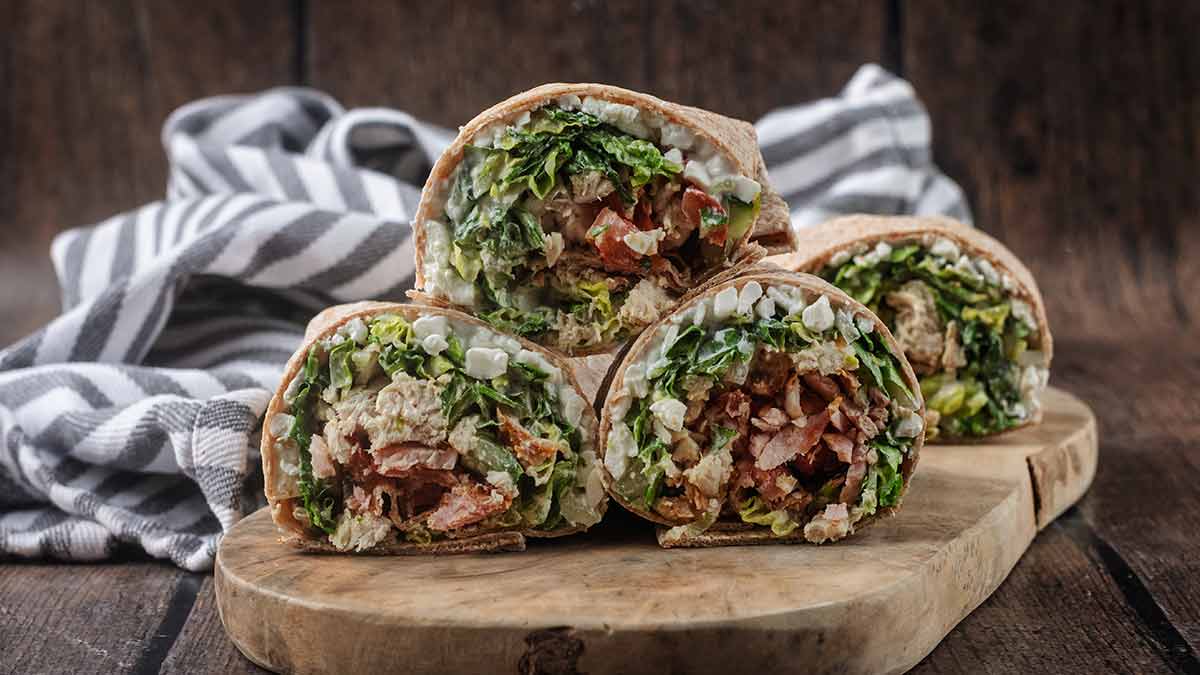
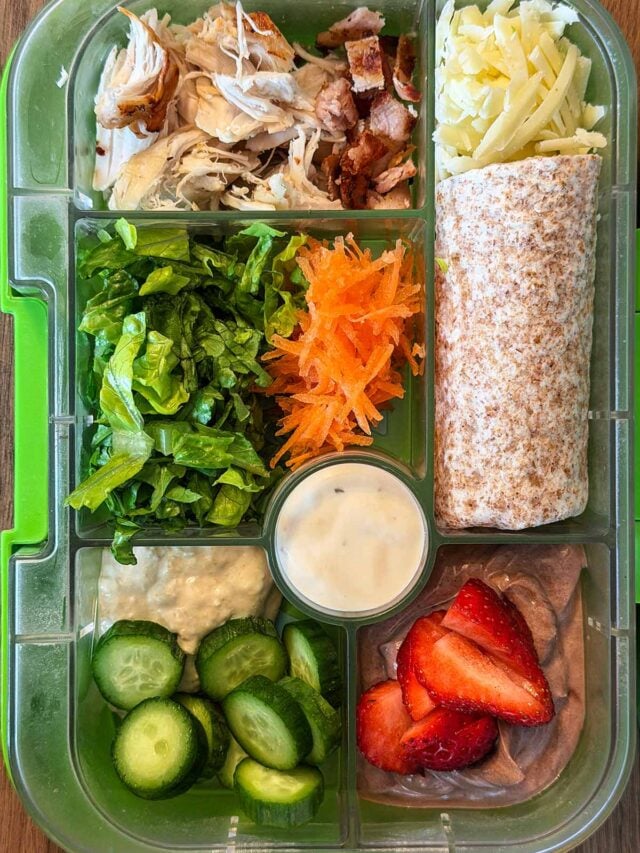
- Chicken Caesar wrap (pictured) + peppers + grapes + muffin
- Cream cheese and salmon bagel + cucumber + fruit + oat bar
- Barbecue chicken wrap + roasted corn + berries + chocolate yogurt
- Tuna and cucumber sandwich + sweetcorn + melon + crackers
- Cheese and salad pitta + apple + yogurt + oatcakes
- Egg mayonnaise roll + cucumber + satsuma + mini pancake
- Falafel pitta + peppers + hummus + grapes
Pasta lunchbox ideas
- Pesto pasta + mozzarella + tomatoes + melon
- Orzo salad + feta + cucumber + berries
- Chicken Caesar pasta + cucumber + homemade jelly
- Tuna and sweetcorn pasta + olives + fruit + muffin
- Tomato pasta + chicken pieces + cucumber + apple
- Couscous + chickpeas + roasted vegetables + berries
- Rice salad + cheese cubes + peppers + fruit
- Cold noodles + cooked chicken + cucumber + mango
Grazing and snacky lunchboxes
These are brilliant for children who prefer lots of little things rather than one obvious main meal.
Try:
- Cheddar + crackers + olives + apple + cucumber
- Falafel + pitta + hummus + peppers + grapes
- Crackers + cheese + cooked chicken + vegetables
- Mini bagel + cream cheese + berries + cucumber
- Boiled egg + oatcakes + cheese + fruit + tomatoes
- Sausage roll + cucumber + sweetcorn + yogurt
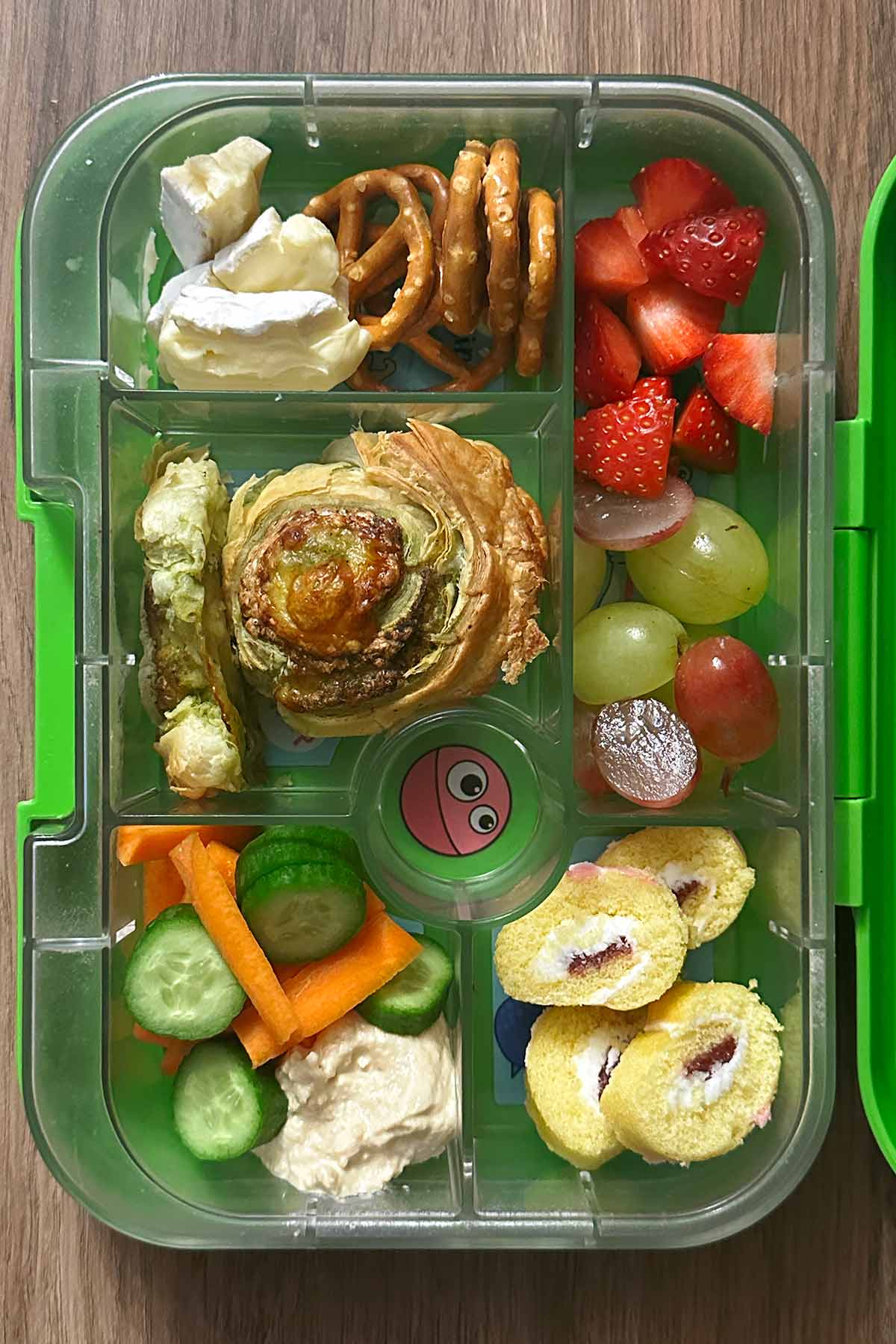
- Savoury muffin (pictured) + cheese + fruit + vegetable sticks
- Pitta triangles + hummus + roasted chickpeas + mango

Dipper lunchboxes
Choose a dip and add several things that can be dunked into it.
Ideas include:
- Hummus + breadsticks + pitta + carrots + cucumber
- Guacamole + tortilla chips + sweetcorn + peppers + mango
- Yogurt dip + chicken pieces + flatbread + vegetables
- Cream cheese + crackers + cucumber + pepper + cooked chicken
- Salsa + tortilla chips + cheese + sweetcorn + avocado
Build-your-own lunchboxes
Some children love being able to assemble the meal themselves.
Try:
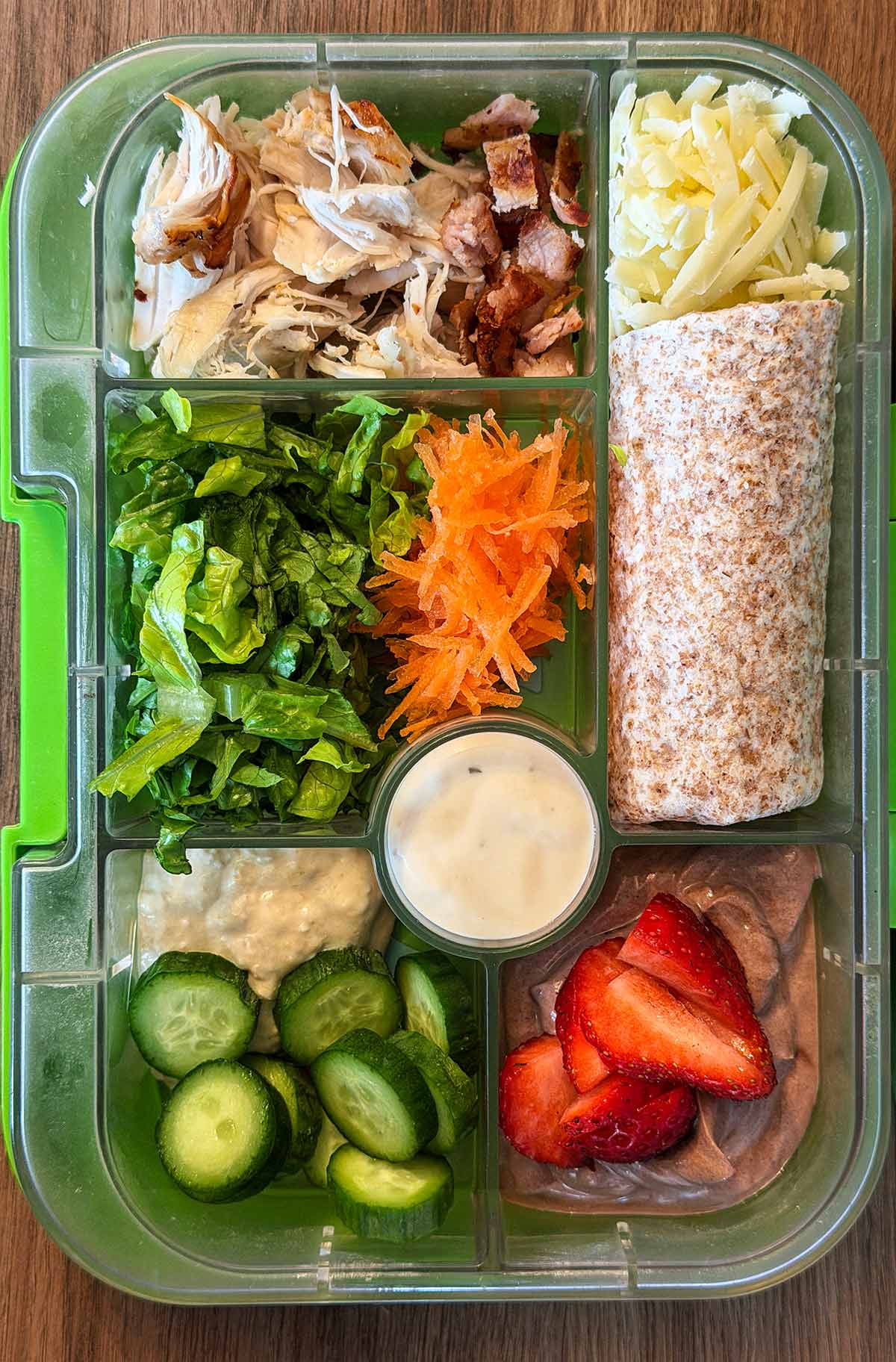
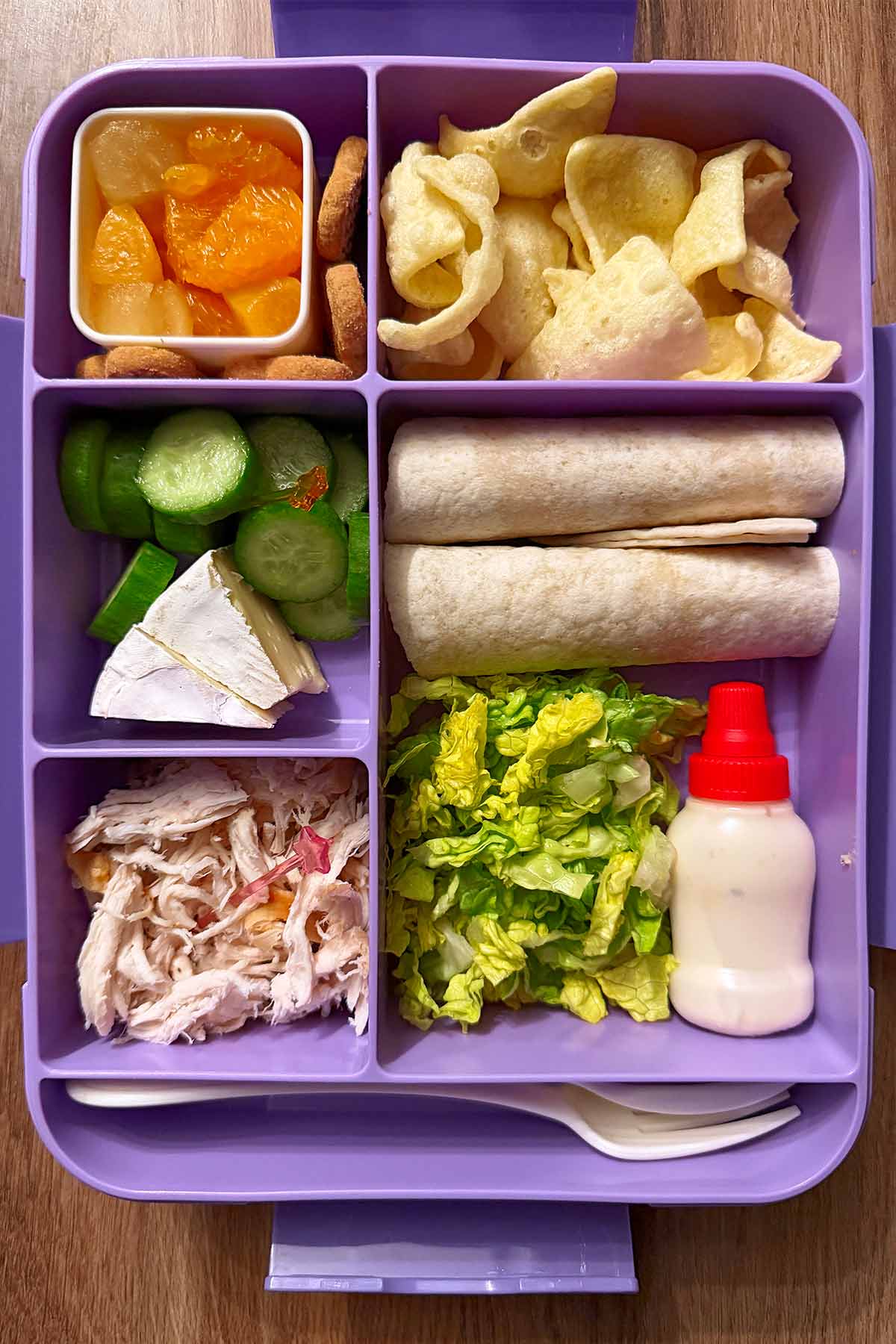
- DIY chicken Caesar wraps (pictured)
- Barbecue chicken + mini wraps + cheese + corn
- Mini pitta pockets + hummus + cheese + salad
- Homemade lunchables with crackers, chicken and cheese
- Deconstructed Greek salad wraps
- Rice + cooked chicken + cucumber + seaweed for an easy sushi-style box
- Crackers + tuna + cucumber + sweetcorn
- Mini pizza kit with flatbread, tomato dip and grated cheese
Leftover lunchbox ideas
Before making something new, look at dinner. Suitable leftovers can make some of the easiest packed lunches.
Try:
- Roast chicken + pitta + hummus + vegetables
- Meatballs + cold pasta salad
- Pizza + fruit + Greek salad
- Cooked salmon + rice + cucumber
- Pasta + cheese + vegetables
- Cooked chicken + couscous + peppers
- Leftover roasted vegetables + hummus + pitta
Cool and store leftovers appropriately before packing them.
Breakfast-for-lunch ideas
Breakfast is allowed at lunchtime. There are no food police.
Try:
- Greek yogurt + fruit + oat bar + mini pancakes
- Chia pudding + banana bread + berries
- Savoury muffin + hard-boiled egg + fruit
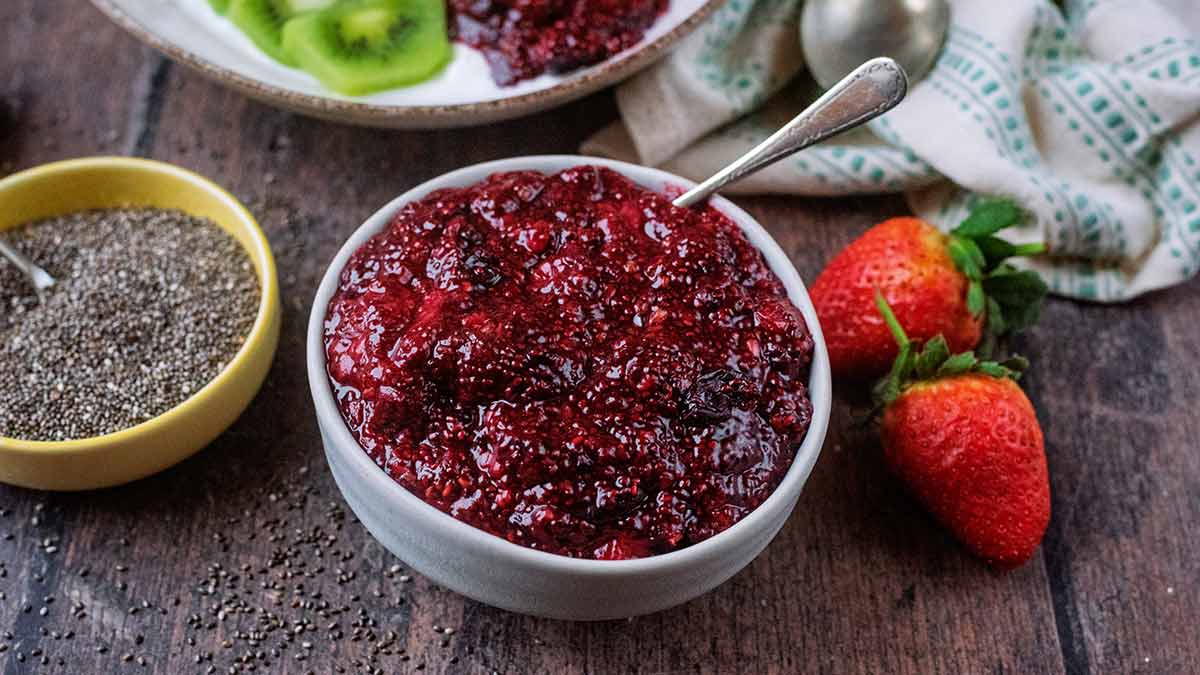
- Yogurt + fruit compote (pictured) + oatcakes + cheese
- Mini waffles + yogurt + berries
- Bagel + cream cheese + fruit + cucumber
The emergency cupboard lunchbox
For the morning when there appears to be absolutely nothing in the fridge, keep a few useful backups.
I like:
- Crackers
- Oatcakes
- Tinned sweetcorn
- Tinned chickpeas or beans
- Tinned fish
- Olives
- Fruit pots in juice
- Dried fruit
- Shelf-stable snacks
- Frozen homemade foods that can be safely defrosted
A tasty lunch does not have to begin with a full fridge.
Hot packed lunch ideas for kids
As my children have got older and can safely manage a food flask, I have started thinking about hot packed lunches more, especially in winter.
A Thermos or other insulated food flask can suddenly open up a whole new world beyond sandwiches.
Hot lunchbox ideas include:
- Tomato soup
- Chilli
- Pasta with tomato sauce
- Pesto pasta
- Pasta with butter and cheese
- Mild creamy pasta
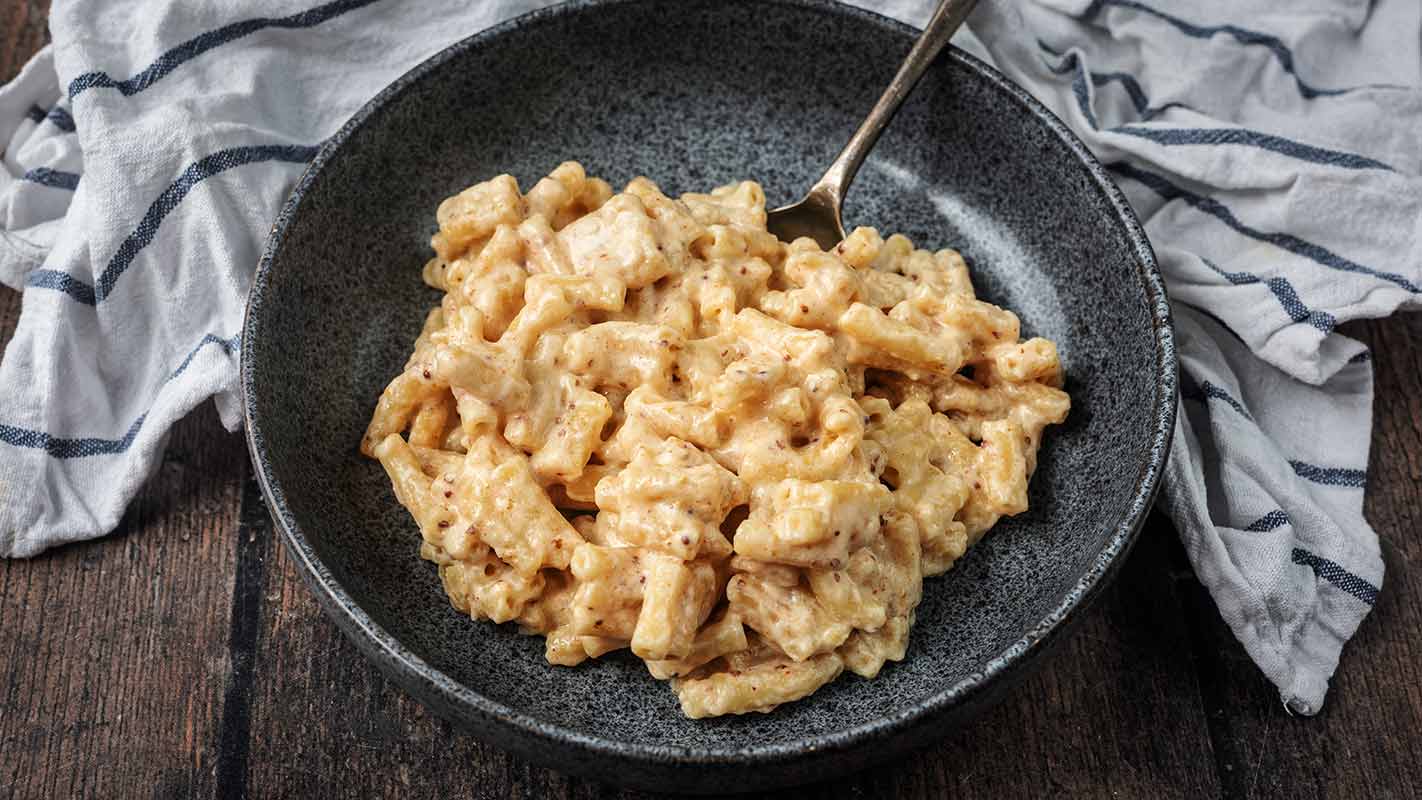
- Mac and cheese (pictured)
- Spaghetti bolognese
- Meatballs with pasta or rice
- Mild chicken curry and rice
- Sausage and mash
- Shepherd's pie
- Cottage pie
- Chicken and vegetable rice
- Egg fried rice
- Chicken noodles
- Vegetable noodles
- Mild ramen-style noodles with a small amount of broth
- Risotto
- Couscous with chicken, vegetables or chickpeas
- Baked beans and mini sausages
- Beans and rice
- Lentil dhal and rice
- Vegetable soup
- Lentil soup
- Chicken noodle soup
- Minestrone
- Stew
- Casserole
- Pulled chicken with rice
- Taco mince with rice and sweetcorn
- Deconstructed burrito bowl
- Warm quesadilla wedges
- Mini pizza pieces
- Warm sausage rolls
- Mini pancakes
- Mini waffles
- Porridge with fruit
- Rice pudding
💡 Food flask tip: Follow the instructions for your particular flask. Preheating a food flask with boiling water before emptying it and adding piping-hot food can help it retain heat, but always follow the manufacturer's food-safety instructions.
Also, make sure that it is a flask that your child can open easily and safely.
School snacks for kids
School snacks are one of those things that can become repetitive very quickly.
Some schools provide a snack. Others ask families to send one, and some have very specific rules about what children can bring, so always check first.
Healthy school snacks
Fruit and vegetable options include:
- Banana
- Satsuma
- Apple
- Pear
- Berries
- Melon
- Appropriately prepared grapes
- Cucumber
- Pepper strips
- Carrot sticks
- Sugar-snap peas
- Sweetcorn
- Fruit salad
- Yogurt and fruit
More substantial options, where appropriate and permitted, include:
- Cheese and crackers
- Plain yogurt
- Greek yogurt and fruit
- Hard-boiled egg
- Mini pitta and hummus
- Oat bar
- Banana bread
- Homemade muffin
- Mini sandwich
- Breadsticks and dip
- Chia pudding
- Pancake
- Roasted corn
- A small portion of suitable leftovers
Useful shelf-stable backups include:
- Oatcakes
- Crackers
- Dried fruit
- Cereal or oat bars
- Fruit pots in juice
- Popcorn, where age-appropriate
- Roasted chickpeas or broad beans where suitable
- A packaged snack that meets your school's rules
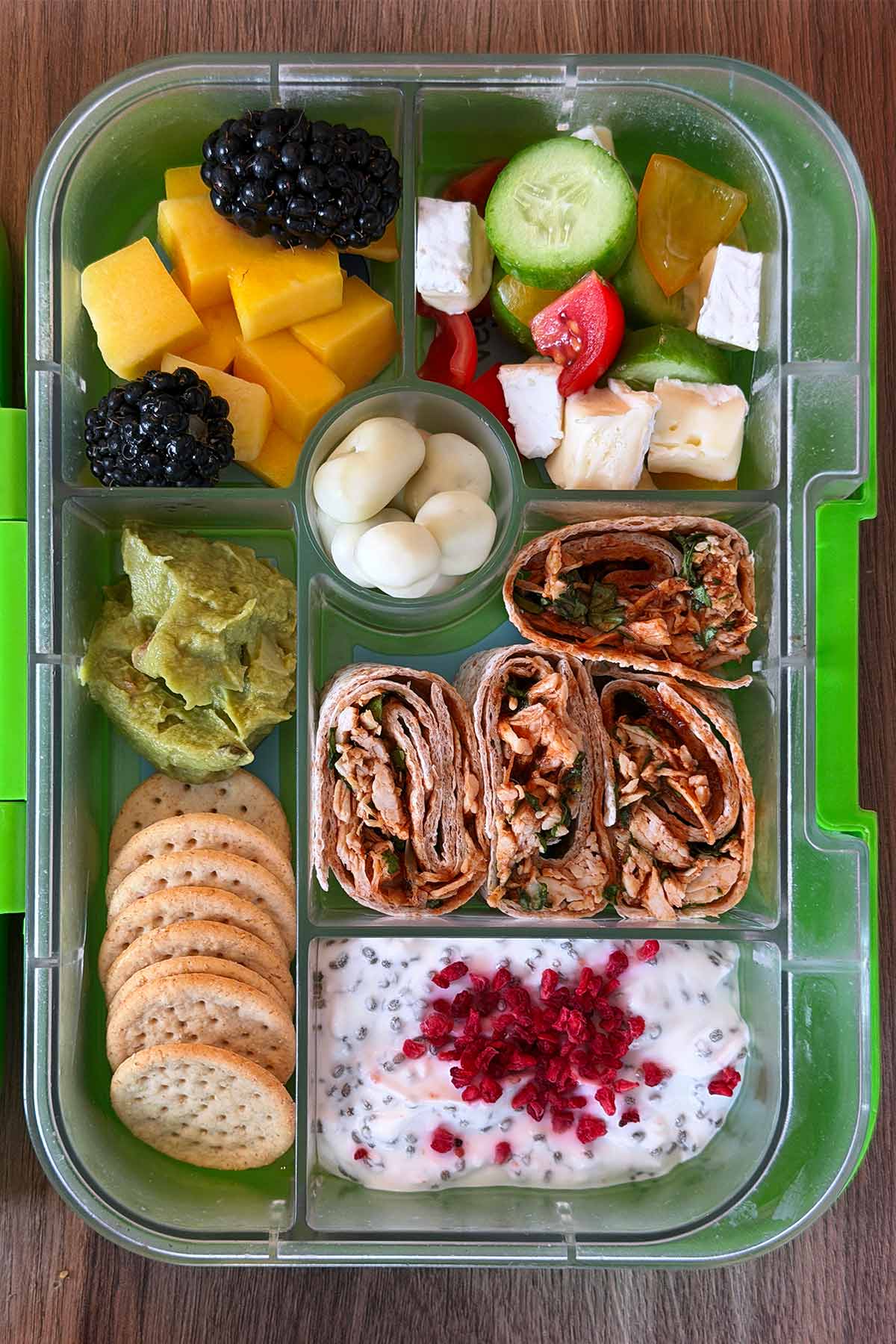
Healthy packed lunch ideas
A healthy packed lunch does not have to be a lunchbox containing five perfect compartments and precisely calculated amounts of everything.
I find it much more useful to look at the bigger picture.
Over the course of different meals and different days, I aim to offer variety: different starchy foods, fruit and vegetables, dairy or alternatives, foods such as meat, fish, eggs, beans and pulses, and foods that are simply there because they are enjoyable.
For an easy starting point, try:
Main: chicken, egg, cheese, hummus, tuna, falafel or beans
Starchy food: bread, wrap, pasta, rice, couscous or potatoes
Produce: fruit, vegetables or both
Extra: yogurt, dip, muffin, oat bar or another snack
For example:
- Chicken wrap + cucumber + strawberries + Greek yogurt
- Hummus pitta + peppers + grapes + cheese
- Pasta salad + chicken + tomatoes + melon
- Egg sandwich + cucumber + apple + yogurt
- Falafel + couscous + roasted vegetables + berries
- Tuna pasta + sweetcorn + fruit + oat bar
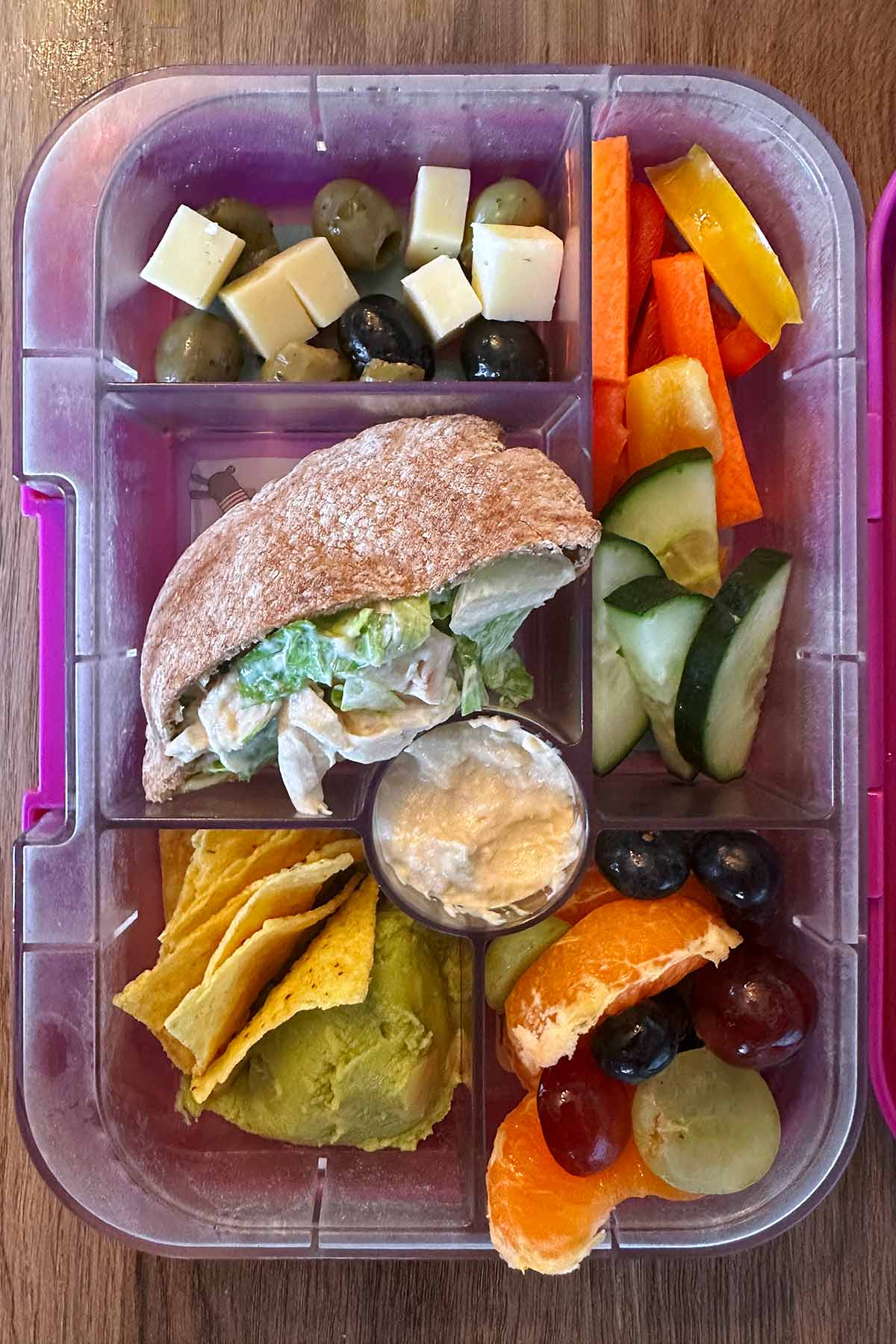
Packed lunch ideas for fussy eaters
If your child is a picky eater, or just cautious around food, a lunchbox is usually not the place I would suddenly introduce five unfamiliar foods at once.
Lunch at school can already be noisy, rushed and distracting.
Instead, I use what I think of as familiar foods and stretch foods.
A familiar food is something your child generally recognises and accepts: their usual crackers, a particular bread, cheddar, strawberries, their favourite yogurt or even the exact pasta shape they always ask for.
A stretch food is something just slightly different.
It might be:
- A new sandwich filling
- A different fruit
- A small amount of Greek salad
- Roasted chickpeas
- A new dip
- Familiar vegetables cut differently
- A different flavour of muffin
Then pair the new or less familiar food with plenty that your child already recognises.
Keep familiar foods visible
A new pizza pinwheel might feel more manageable beside grapes and cucumber they eat regularly.
A child unsure about pasta salad may still start lunch confidently if there are familiar crackers and yogurt next to it.
The familiar food is not a reward for eating the new food. It is simply part of the lunch.
Change one thing
You do not need to transform the entire lunchbox.
Change:
- The bread
- Sandwich shape
- Fruit
- Dip
- Pasta dressing
- Cheese
- Way the vegetables are cut
- Muffin flavour
One change is still variety.
Try deconstructed lunches
For children who dislike foods touching or mixed together:
- Use separate compartments
- Keep dressings in a pot
- Deconstruct wraps and sandwiches
- Serve the plain parts of family meals separately
- Put sandwich filling, crackers and vegetables alongside each other rather than combining them
- Avoid several unfamiliar elements at once
A deconstructed lunch is still a lunch.
Portions, appetites and returned food
The boxes in this post are intended to provide ideas. The quantities shown may not suit your child.
A younger child may need a much smaller amount. An older child or very active child may want significantly more. Some children prefer one substantial main, while others eat better when several small foods are separated. Every child has a different appetite.
Use your knowledge of your child. Also, when looking at some of these lunchbox ideas, instead of thinking "what child would eat that?", remember that not everyone is packing lunch for a 6-year-old. Some people are making lunch for teenagers who are maybe more protein/health focused because of sports and are more likely to try new things.
You might begin with a modest amount and provide an additional snack for later, where the school allows it. You might pack more on sports days or reduce the number of compartments when too much choice becomes distracting.
There is no prize for filling every section of the box. Empty space is allowed.
Become a leftover detective
When food repeatedly comes home, it does not automatically mean your child dislikes it.
Ask yourself:
- Was the packet hard to open?
- Had the food become warm?
- Was the bread soggy?
- Was the fruit bruised?
- Were pieces too large?
- Was there too much choice?
- Did the lunch smell strongly?
- Was there enough time to eat?
- Was your child simply not very hungry?
The solution may have nothing to do with whether they like the food.
A smaller sandwich, easier lid, separate dip pot or peeled orange may make more difference than a completely new menu.
But maybe don't ask all these questions at once as soon as they get out of school. If your kids are anything like my 7-year-old, you will just get "nothing much" as a reply when you ask them what happened at school today. That even happened on the day a snake came into school and he was pictured holding it!
Ultra-processed foods
Ultra-processed food, often shortened to UPF, has become a confusing and sometimes frightening subject for parents.
It helps to begin by remembering that processing is not automatically a bad thing.
Cooking, freezing, fermenting, pasteurising, blending, canning and baking are all forms of processing. Processing can make food safer, more convenient and longer-lasting. The NHS notes that most foods are processed in some way and that processed foods can include useful everyday items.
The term ultra-processed is generally used for foods that have undergone more industrial processing and may contain ingredients not commonly used in a home kitchen, such as certain emulsifiers, preservatives, sweeteners and flavourings.
Many foods classified as UPF are also high in salt, saturated fat or free sugars and low in fibre. However, not all foods within the category have the same nutritional profile. Wholemeal sliced bread, some higher-fibre cereals and baked beans may also be classified as ultra-processed while still contributing useful nutrients to a family diet.
The UK Scientific Advisory Committee on Nutrition has found that diets higher in ultra-processed foods are consistently associated with poorer health outcomes. It also stresses that the evidence has important limitations. It is not yet clear how much of the association is caused by processing itself and how much is explained by factors such as higher levels of calories, saturated fat, salt and free sugars, lower fibre intake and wider lifestyle patterns.
My practical approach
I do not try to remove every ultra-processed food from my family's life. Instead, I try to make minimally processed and homemade foods easy to reach while being selective about the convenience foods we use regularly.
That might mean:
- Making a batch of muffins but buying the wraps.
- Using homemade hummus with shop-bought breadsticks.
- Packing fresh fruit beside a packet of lentil crisps.
- Making chocolate yogurt from plain yogurt and cocoa.
- Buying bread that the children genuinely enjoy.
- Using leftover roast chicken rather than processed slices when convenient.
- Choosing a shop-bought snack because it makes a busy day manageable.
Convenience is not a moral failure.
A packet does not automatically make a lunch poor, just as the word "homemade" does not automatically make every food nutritionally ideal. You can use an app like YUKA to scan barcodes of products to get a bit more of an idea of how well the food ranks.
Questions to ask in the supermarket
Instead of trying to memorise a perfect list of ingredients, I ask:
- Will my child eat it?
- Does it add something useful to the lunch?
- How often are we likely to use it?
- Is there a similar option with less salt or added sugar?
- Is there a higher-fibre version my child enjoys?
- Does the portion or packaging work for school?
- Is it affordable for our family?
- Does it comply with our school's allergy policy?
- Could I make a simple version at home when I have time?
- Is buying it the practical choice today?
The goal is not purity and perfection. The goal is a varied family diet built mostly from satisfying everyday foods, with room for convenience and enjoyment too.
How to keep packed lunches fresh and safe
Packed lunches also need to survive several hours between your kitchen and lunchtime.
Foods that would normally be refrigerated at home need appropriate chilled storage.
A practical routine is:
- Cool cooked foods appropriately before packing.
- Refrigerate prepared food promptly.
- Start with chilled ingredients.
- Use an insulated lunch bag for foods that need to stay cold. This insulated lunch bag is great for older kids and has built-in ice packs.
- Add fully frozen ice packs.
- Keep the bag away from heaters and direct sunshine.
- Use a school refrigerator where one is available and the school recommends it.
- Wash boxes, seals, bags and little pots regularly.
- Replace containers that are damaged and can no longer be cleaned properly.
Take particular care with foods such as cooked meat, seafood, egg dishes, cooked rice and pasta dishes, dairy foods, mayonnaise-based fillings and leftovers.
If you are unsure whether returned perishable food has remained safely chilled, I would not automatically put it back in the fridge for another day.
How to prepare school packed lunches ahead
The aim of preparation is to make weekday mornings easier, not to spend your entire Sunday producing five identical bento boxes.
I prefer component prep. Prepare a few flexible foods, then move them around between different lunches.
A simple prep session could include:
- Washing sturdy fruit
- Preparing cucumber, peppers or other vegetables
- Cooking some pasta, rice or couscous
- Roasting vegetables
- Boiling eggs
- Cooking chicken
- Grating cheese
- Making one dip
- Baking one freezer-friendly food
- Portioning dry snacks
- Checking that the ice packs are back in the freezer
From that alone you can build wraps, pasta boxes, grazing lunches and build-your-own lunches.
What can I make the night before?
Things that often work well prepared or assembled ahead include:
- Pasta salads
- Rice and grain salads
- Hard-boiled eggs
- Whole fruit
- Sturdy cut fruit
- Crudités
- Yogurt pots
- Chia pudding
- Jelly
- Dips
- Cooked chicken
- Pastry rolls
- Muffins
- Oat bars
- Banana bread
- Many grazing boxes
Things I am more likely to finish in the morning include:
- Avocado or guacamole
- Very juicy fruit
- Crackers that could soften beside wet foods
- Tortilla chips
- Sandwiches with wet fillings
- Leafy salads with dressing
- Hot food for a flask
Freezer-friendly lunchbox foods
A well-used freezer is one of my favourite packed-lunch helpers.
Depending on the individual recipe, useful freezer foods include:
- Sausage rolls
- Pizza pinwheels
- Savoury muffins
- Yogurt muffins
- Banana bread
- Oat bars
- Pancakes
- Waffles
- Falafel
- Meatballs
- Chicken patties
- Fishcakes
- Bread
- Rolls
- Wraps
- Pasta sauce
- Cooked chicken
- Soup
- Cheese and onion pastry rolls (pictured)

Freeze them in the quantities you will actually use. One enormous frozen block of something is not especially helpful at 7am!
How to stop lunchboxes going soggy
Lunchboxes travel. They get tipped sideways, shaken, dropped and occasionally spend half the morning underneath a school jumper. A good lunch box does help, though!
A few things that help:
- Pat washed vegetables dry.
- Drain mozzarella, olives and sweetcorn well.
- Let cooked food cool before sealing it into a cold lunchbox.
- Keep wet fillings away from bread when possible.
- Use cheese or lettuce as a barrier between bread and wetter ingredients.
- Use a suitable spread to create a moisture barrier.
- Keep tomato separate if soggy sandwiches are a recurring problem.
- Choose thicker dips.
- Keep dressings separate.
- Keep crackers and tortilla chips in a dry compartment.
- Separate strongly scented foods when that bothers your child.
- Use little containers or silicone cups to stop soft fruit being squashed.
The lunchbox equipment I actually use
Friendly heads-up: The links here are affiliate links. If you decide to grab something through them, I may earn a small commission (at no extra cost to you!).
You do not need an entire cupboard of lunchbox equipment.
The best items are simply the ones that solve a problem you repeatedly have.
A lunchbox your child can actually open
Look for:
- A suitable size.
- Secure seals.
- Compartments that suit the foods you pack.
- Removable seals where possible for cleaning.
- A shape that fits in the school bag.
- A weight your child can manage.
- A lid your child can open independently.
Practise opening a new lunchbox at home.
Choosing the right box
The fixed-compartment bento box
Best for:
- Children who like foods kept separate
- Grazing lunches
- Visual variety
- Dips and small sides
- Reducing the need for extra packaging
Consider:
- Whether the compartments are individually sealed
- whether wet food leaks between sections.
- Whether the portions are practical.
- Whether the whole box is too heavy.
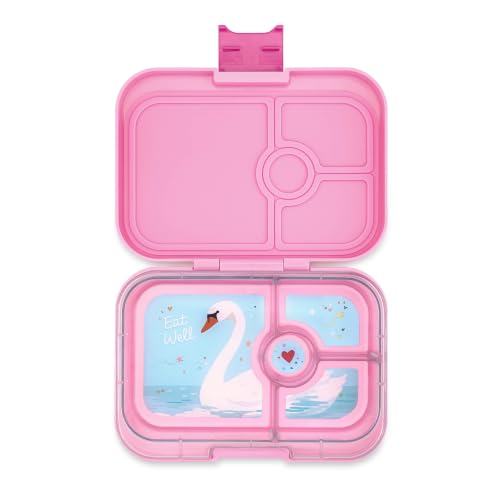
We love the Yumbox. While not the cheapest lunchbox, at the time of writing, we have had ours for 7 years and it still works perfectly well.
The larger compartment box
Best for:
- sandwiches
- wraps
- pasta salads
- leftovers
- older children
- families who use smaller containers inside

Stackable containers
Best for:
- separating hot and cold foods
- adult lunches
- salads with separate toppings
- breakfast-style lunches
- children who prefer one course at a time

Metal containers
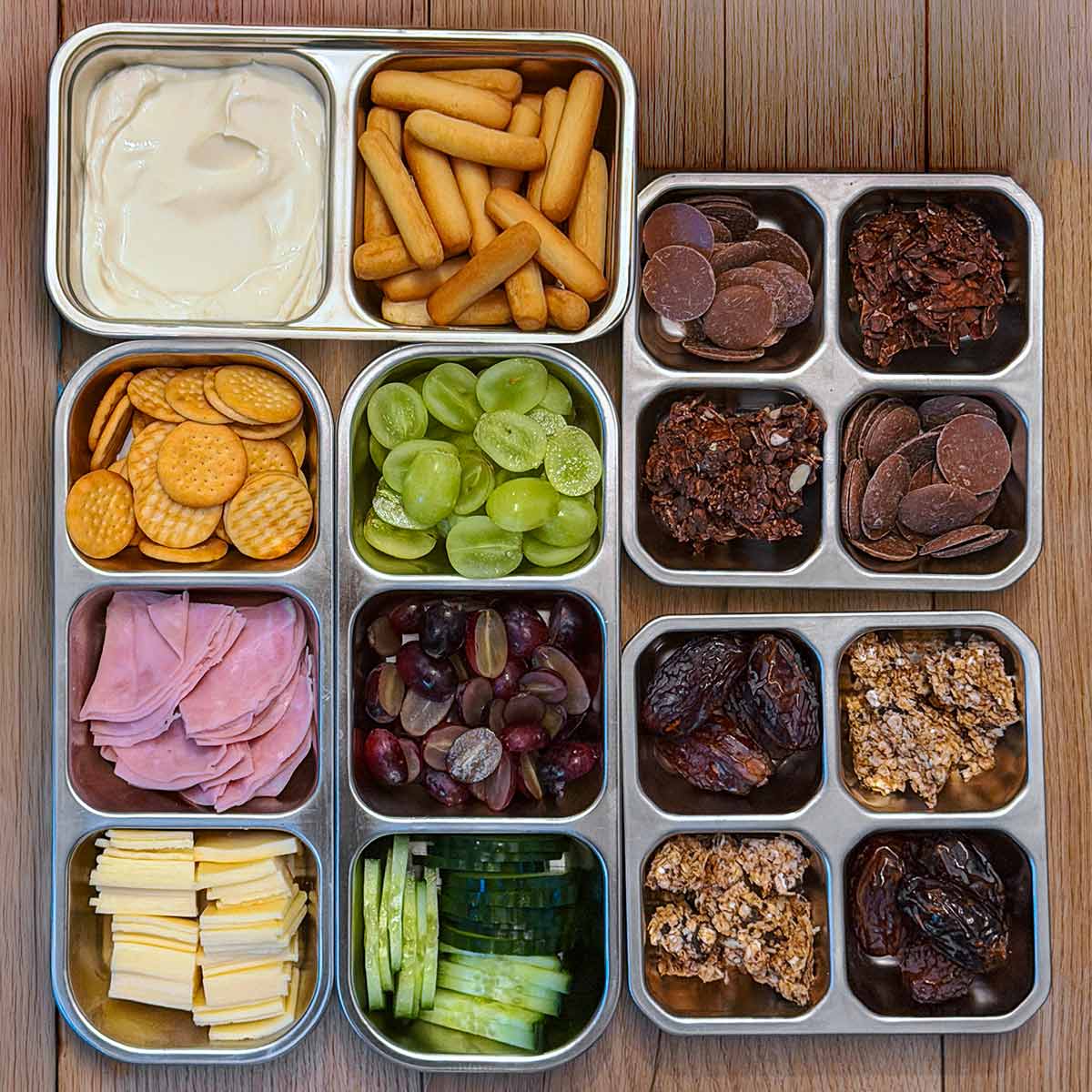
Great for:
- If you want a reduced plastic option


Food flask
Great for:
- Soup
- Pasta
- Rice
- Stew
- Noodles
- Hot leftovers
Again, your child needs to be able to use it safely and independently.

Insulated lunch bag
It needs to fit:
- The full lunchbox
- Ice packs
- Any separate pots
- A drink where needed
I also prefer one that can be wiped or washed.
We have used the Chase Chic Lunch Bags for years, but now our children are a little older, we have moved them onto the Cerbonny bags.


Ice packs
Several slim ice packs can sometimes fit around food more easily than one enormous one.
Keeping a spare set also means you are not searching for a half-frozen pack at 7.30am.
Leak-resistant mini pots
I use little containers for:
- Hummus
- Yogurt
- Salsa
- Guacamole
- Dressing
- Grated cheese
- Small desserts
Test new pots with water at home before trusting them beside a school reading book.

50ml/1.7oz Stainless Steel Condiment Containers with Silicone Lids
Useful extras - but definitely optional
- Silicone cups
- Sandwich cutters
- Small shape cutters
- Crinkle cutter
- Reusable snack bags
- Labels
- Mini cutlery
- Age-appropriate reusable food picks
None of them are essential.
A normal container, fork, knife and spoon can still produce a perfectly good packed lunch.
My favourite lunchbox food products
These are the items I reach for repeatedly. They are not the only good choices, and products can change their ingredients, recipes or allergy warnings. Always check current labels and choose the version that suits your family.
The bread I use
Bakery Sourdough or Jason's Sourdough or Aldi Sourdough.
I use this because it has minimal ingredients and is good for gut health. It also freezes well. My kids are used to the taste and texture of sourdough, but I know not all children will enjoy it in a sandwich.
My favourite wraps
I like the Crosta Mollica range of wraps for minimal ingredients.
These are soft enough to roll and a good size. They also freeze well. I use them for chicken Caesar wraps, barbecue chicken wraps, hummus and grated vegetable wraps and build-your-own lunches.
Bagels and rolls
It's got to be my easy homemade bagels (pictured below).
Mini versions are useful when a full bagel is too filling or takes too long to eat.
Crackers, oatcakes and breadsticks
For crackers, the Peter's Yard ones are good. I also like the Aldi and Asda mini breadsticks.
I look for anything mini, as it's a good size for kids and fits in most lunchboxes.
Yogurt
Aldi or Asda Greek yogurt.
I use plain Greek yogurt for dips, muffins, chia pudding and chocolate yogurt.
Crisps and crunchy extras
We like the Eat Real range or Proper Chips.
I often use vegetable crisps, lentil crisps or tortilla chips as one small component rather than the main event.
Store-cupboard favourites
Olives, tuna, sweetcorn, beans, pasta, crackers and canned fruit. These are the items that rescue lunches at the end of the week.

Easy school packed lunch ideas for the week
If making a different decision every morning is the part you hate, use a loose weekly rhythm instead.
It is not a meal plan. The exact foods can change every week.
Monday: The fresh lunchbox
Use foods bought or prepared over the weekend.
Example: Chicken Caesar wrap + cucumber + berries + Greek yogurt muffin.
Tuesday: The pasta lunchbox
Use pasta cooked ahead.
Example: Pesto pasta + mozzarella + tomatoes + melon + oat bar.
Wednesday: The grazing lunchbox
Use little leftovers and fridge odds and ends.
Example: Cheddar + crackers + olives + cucumber + hummus + grapes.
Thursday: The build-your-own lunchbox
Use the remaining cooked ingredients.
Example: Barbecue chicken + mini wraps + grated cheese + roasted corn + guacamole.
Friday: The freezer-and-cupboard lunchbox
Use whatever is left.
Example: Cheese and onion pastry roll + fruit pot + cucumber + lentil crisps + homemade jelly.
Five ways to get kids involved
Getting my children involved has been one of the most useful parts of making lunchboxes easier. In fact, I have a whole post on how to get kids involved with cooking.
They do not need complete control of the menu.
Try:
Give two choices
"Would you like pasta or a wrap?"
Let them choose fruit
Ask them to choose a couple of fruits when you shop.
Give them one compartment
They could decide the vegetable, dip, fruit or crunchy extra.
Make a favourites list
Keep a visible list of accepted mains, fruit, vegetables and snacks.
Then, when your mind goes blank, you have somewhere to start.
Review what worked
Ask:
- What would you like again?
- Which bit stayed freshest?
- Was anything difficult to open?
- Was there too much?
- Would that be better hot or cold?
It turns lunch planning into something you solve together rather than an assessment of whether your child ate "well".
I find my kids are much more likely to eat their lunch if they have had some input in the preparation than if they open a lunchbox of items they don't know about.
My lunchbox rescue plan
When the morning has completely gone wrong, I use this order:
- Find a base - Bread, crackers, wrap, bagel, pasta, rice or something from the freezer.
- Add something substantial - Cheese, yogurt, egg, chicken, hummus, beans, fish or leftovers.
- Add the easiest fruit or vegetable - Banana. Satsuma. Apple. Cucumber. Whatever needs the least work.
- Add one extra - Dip, bar, muffin, crisps, jelly or another enjoyable food.
- Pack it appropriately and move on - Lunch does not need to be impressive.
A simple packed lunch that gets everyone out of the door on time is much more useful than the elaborate one you never had time to make.
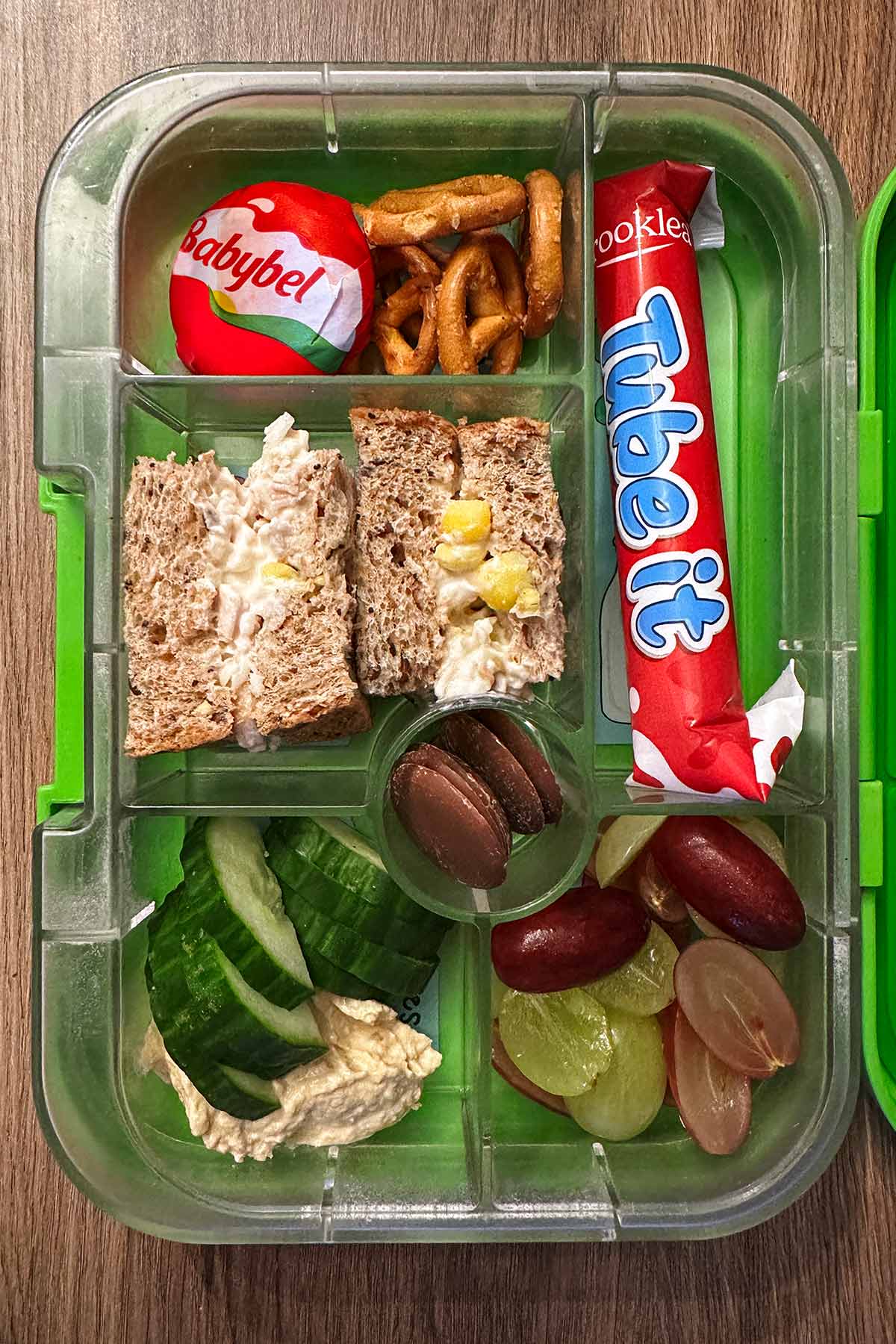
My 10 rules for easier packed lunches
After years of packing lunches, these are the things I come back to again and again.
- One lunch does not have to do everything.
Look at the bigger picture. - Familiar food belongs in the lunchbox.
It gives your child somewhere comfortable to start. - Variety can be tiny.
A different fruit counts. - Homemade and shop-bought can work together.
This is real life, not a purity contest. - The school policy comes first.
Always check current lunch and allergy rules. - Foods that need to stay cold need appropriate cold storage.
No one wants warm yogurt! - Your child needs to be able to open the box.
- Returned food is useful information.
Sometimes the problem is the container, temperature or texture rather than the food. - You do not need every piece of lunchbox equipment. But I have found that making their lunchboxes more fun with a few different extras has helped my children to try new foods.
- Lunch should still feel like food.
It can be colourful and fun without becoming overly complicated.
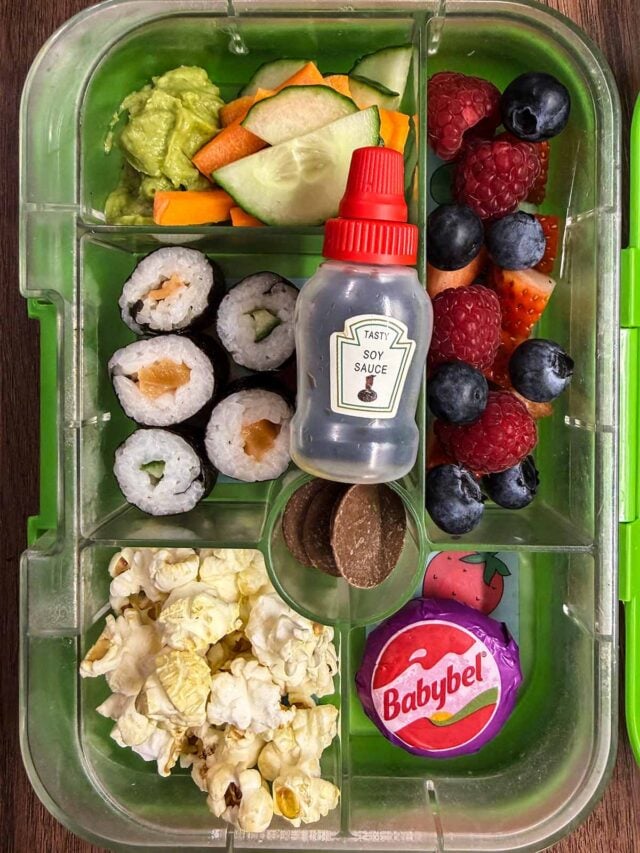
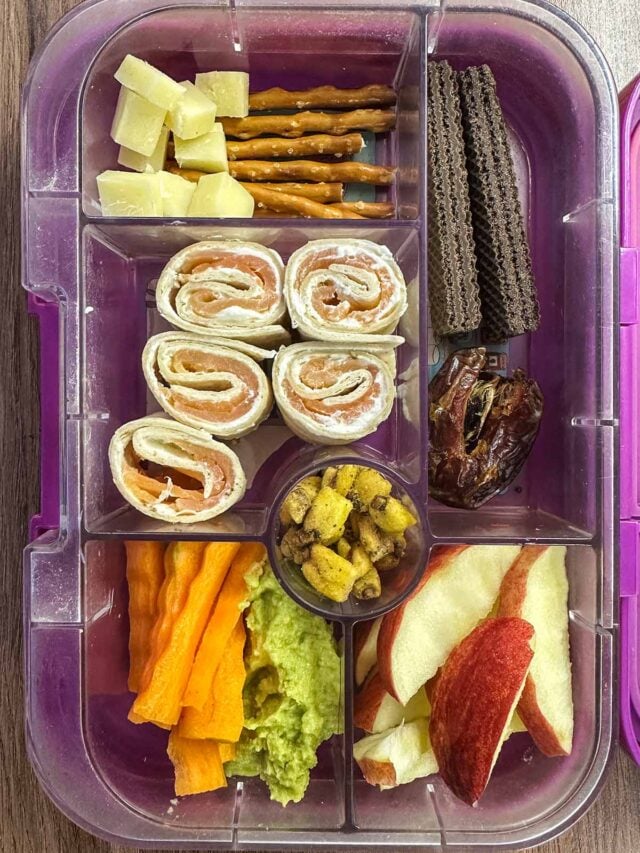
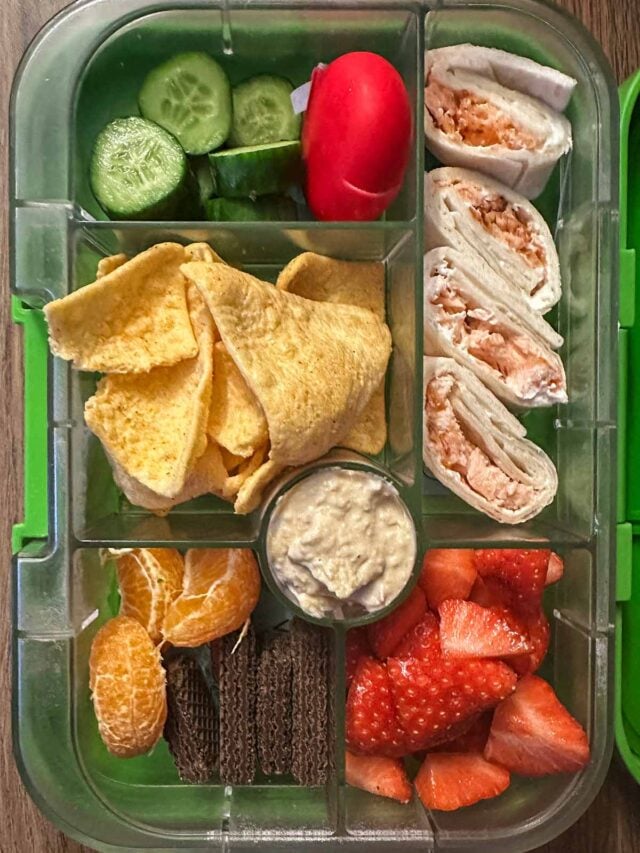
The lunchbox library
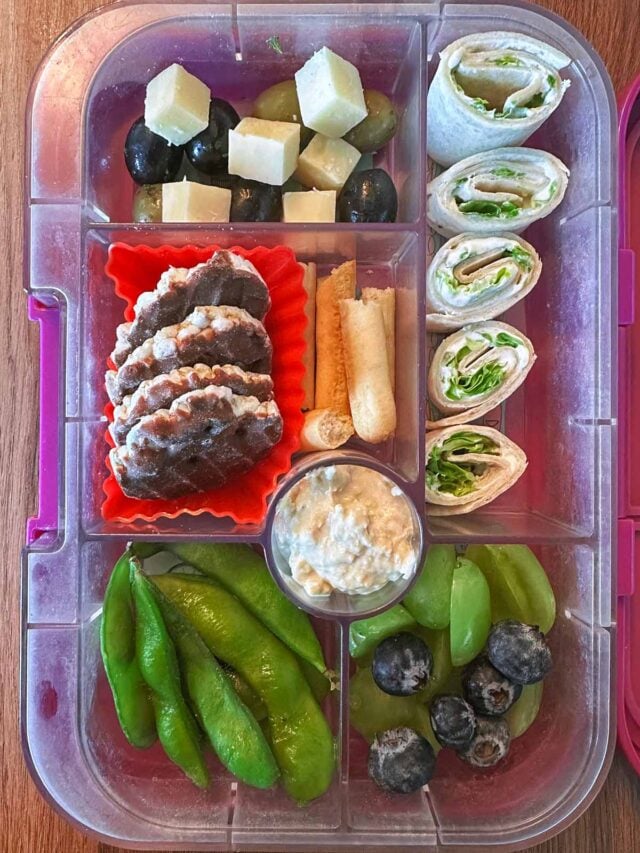
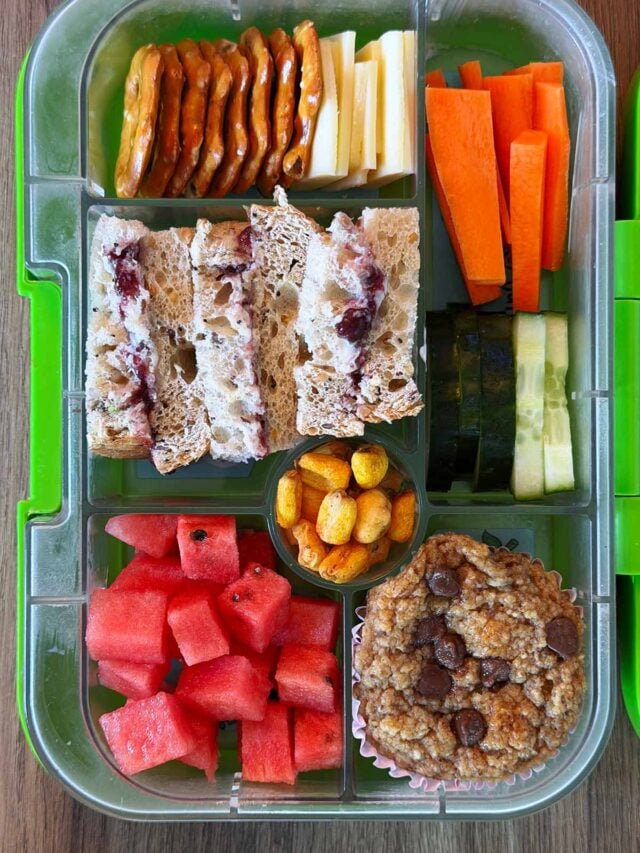
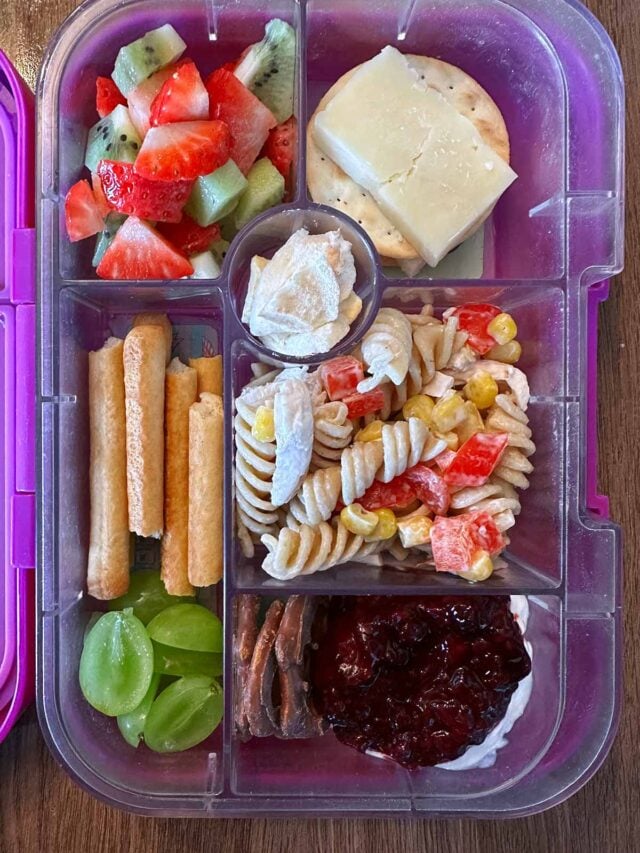
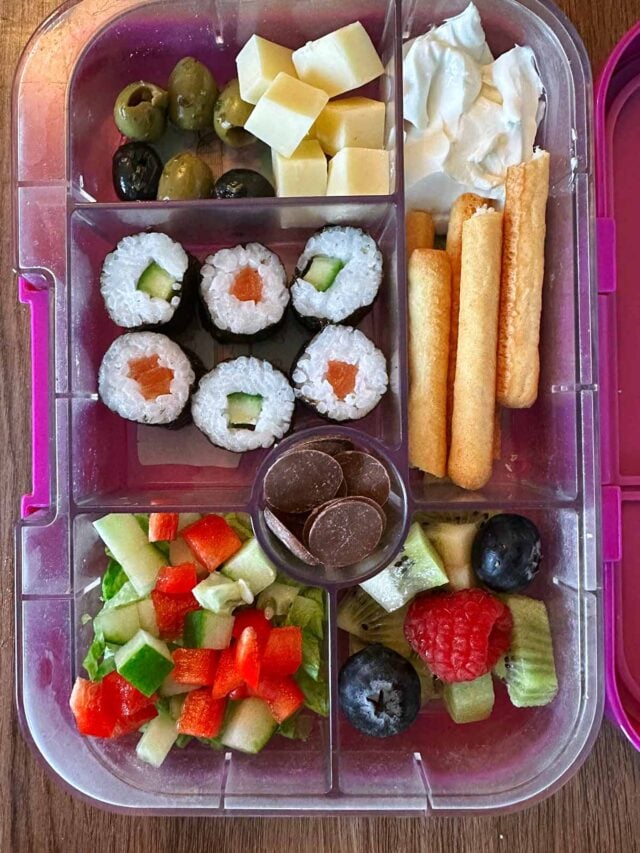
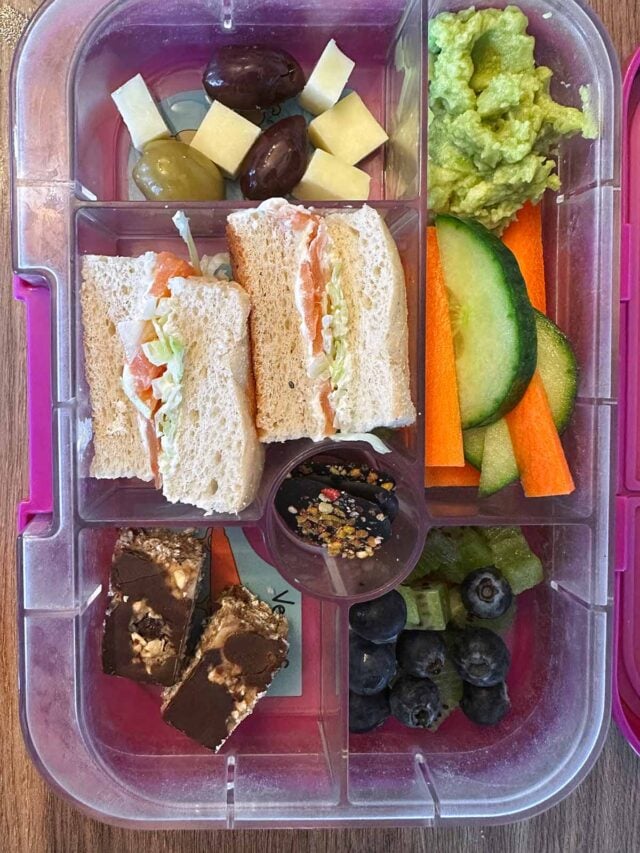
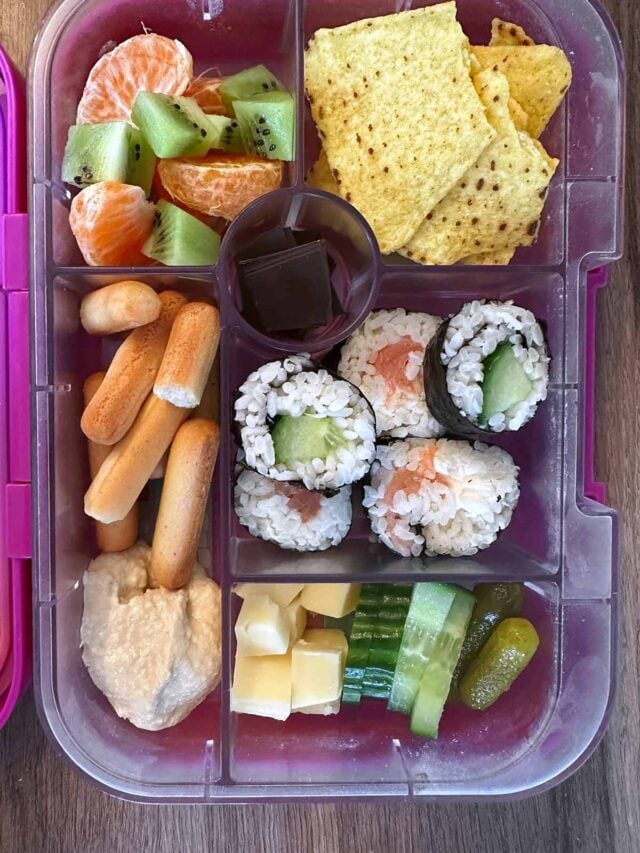
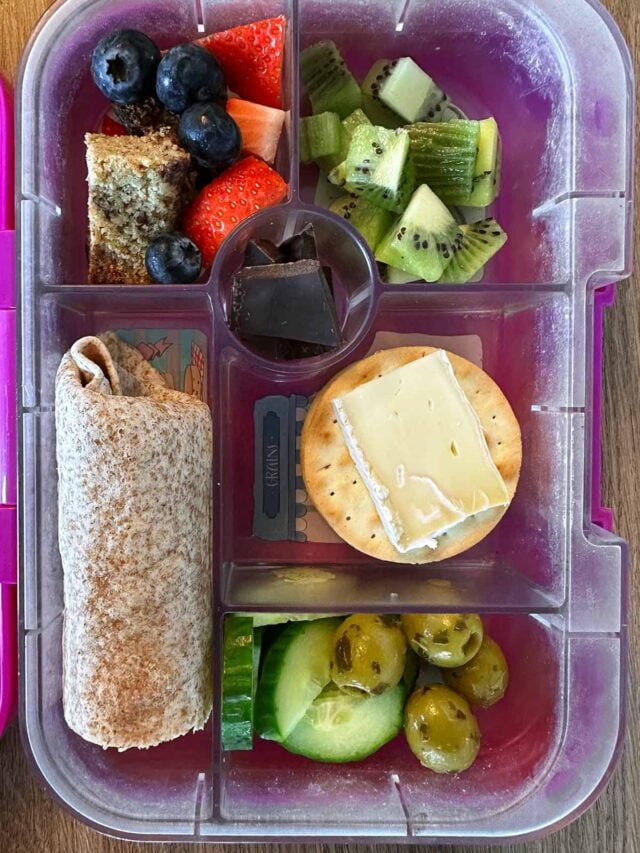
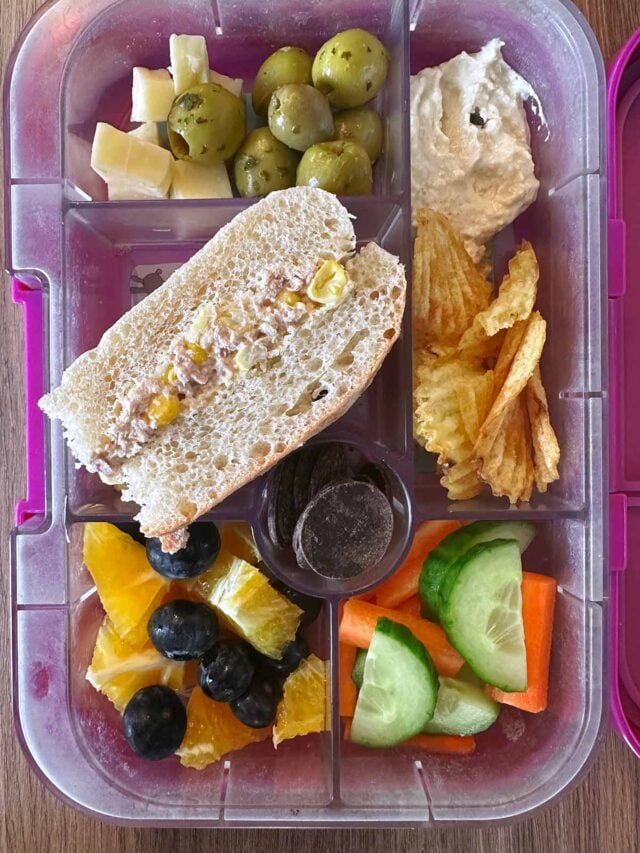
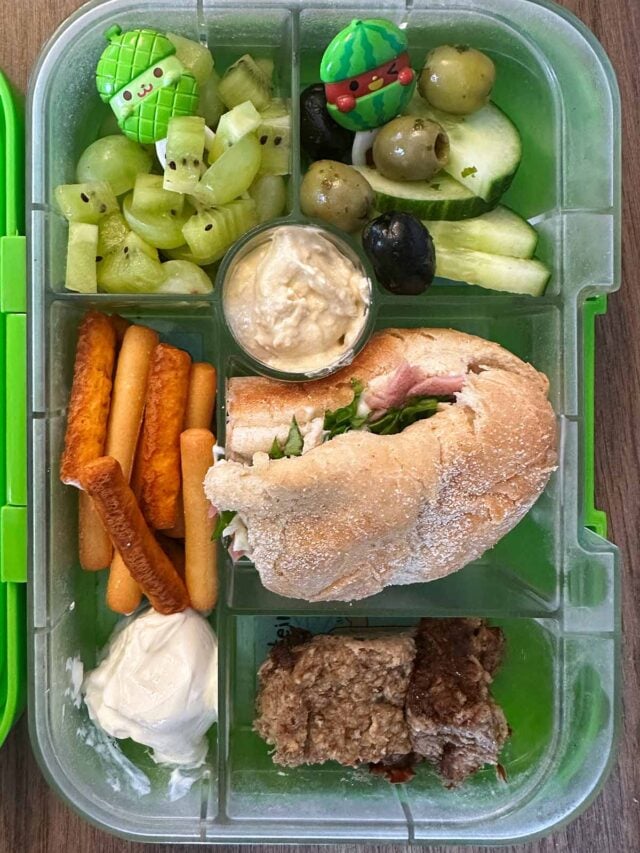
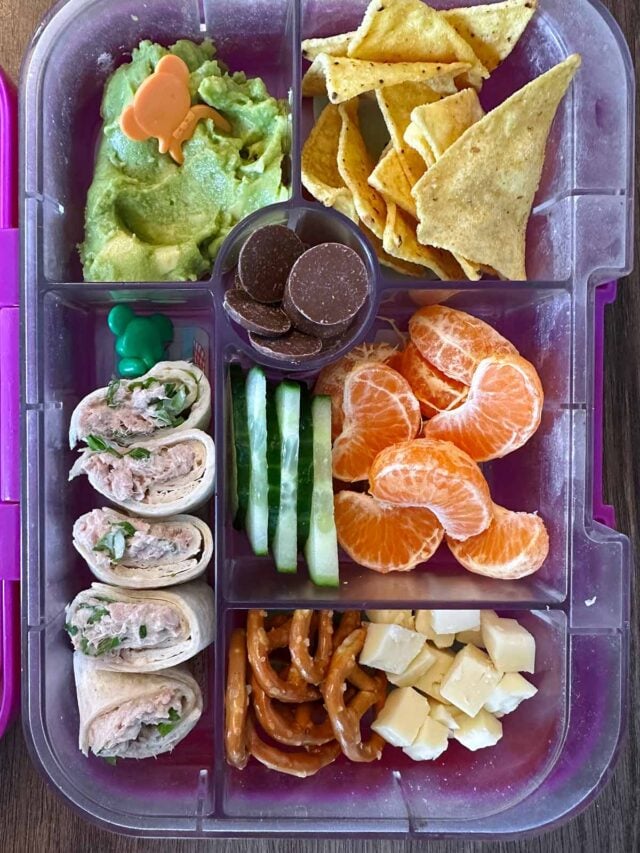
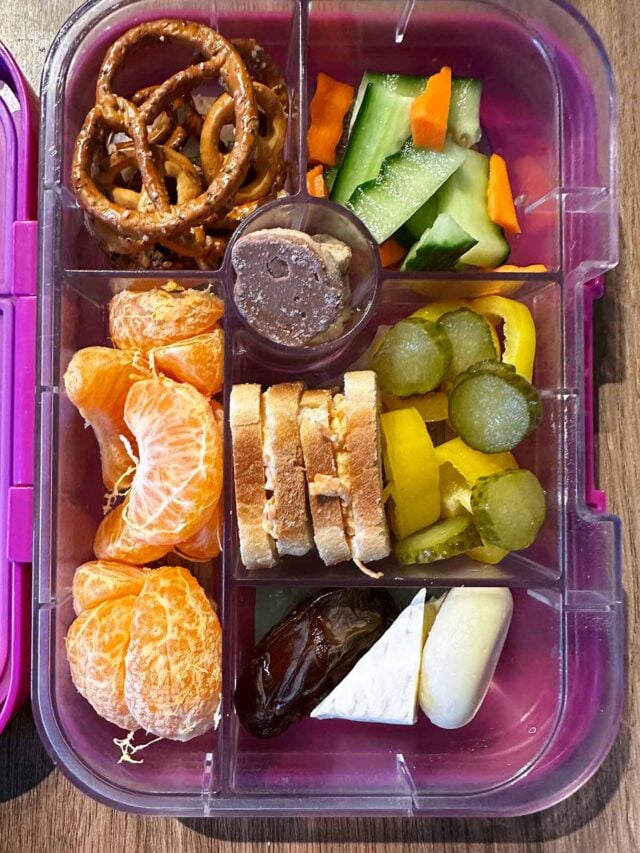
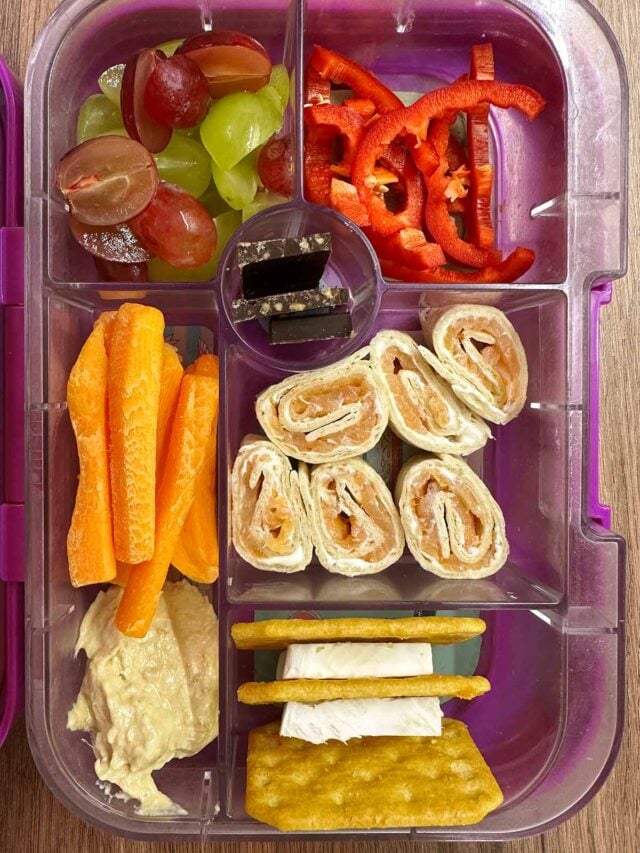
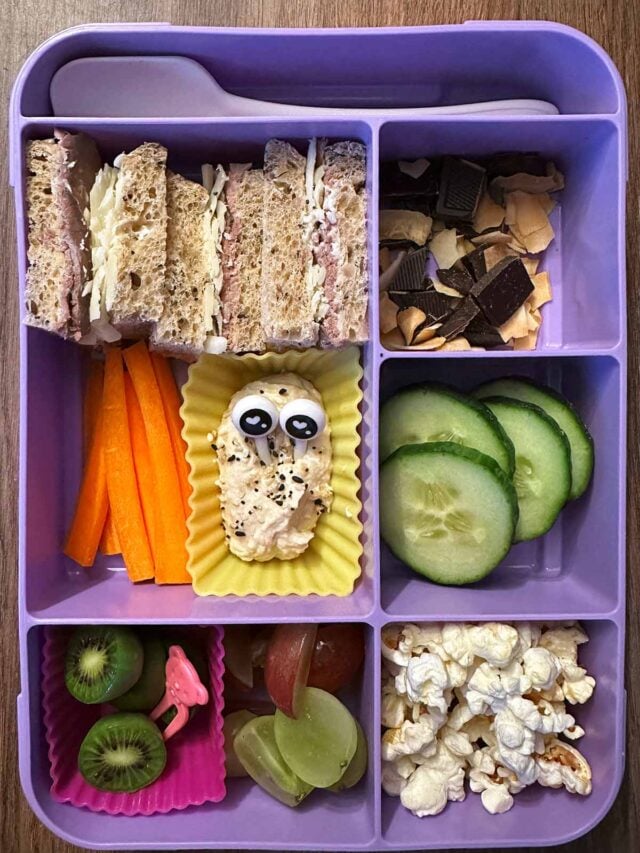
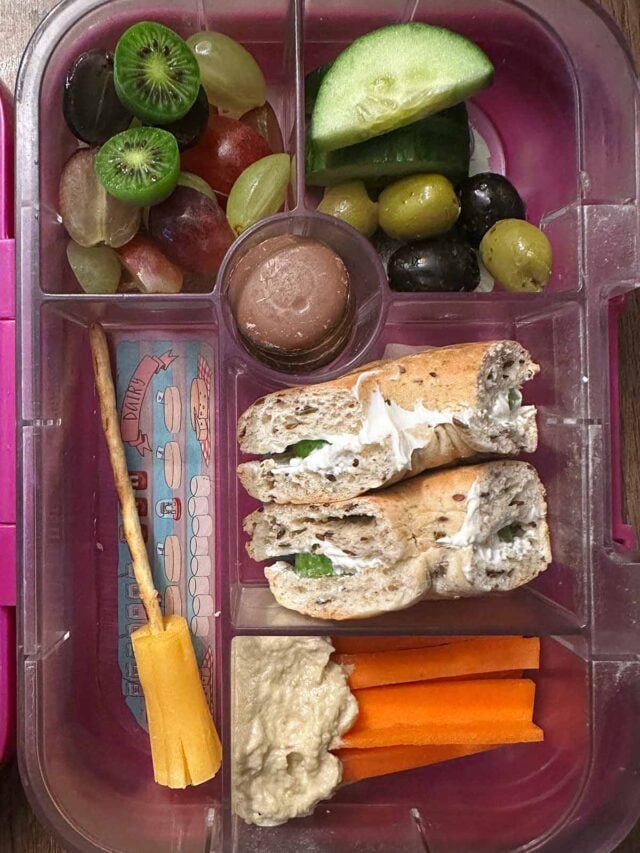
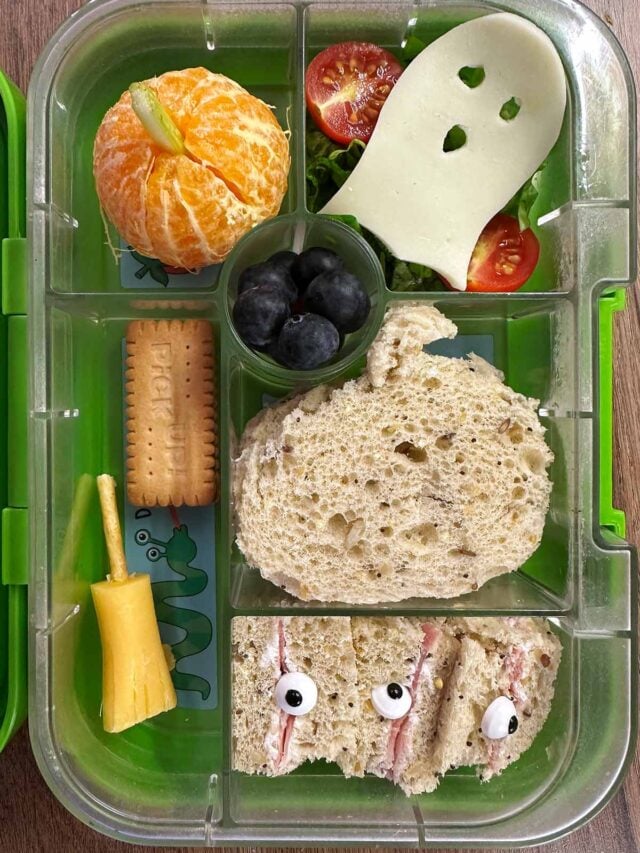
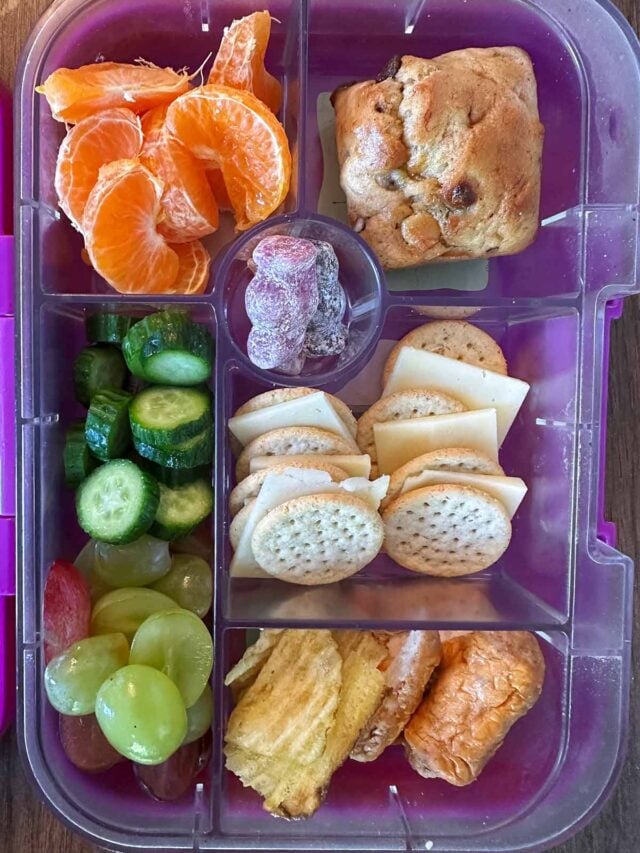
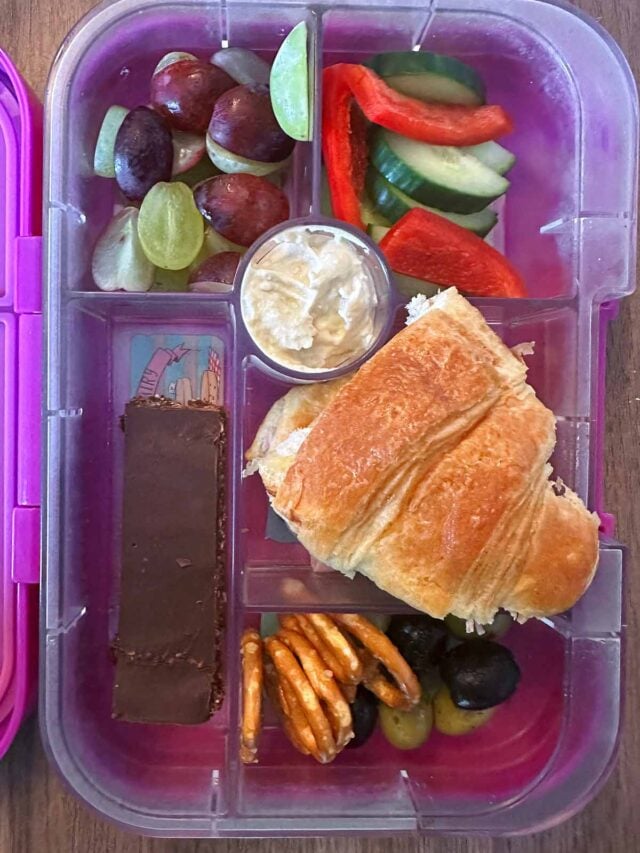
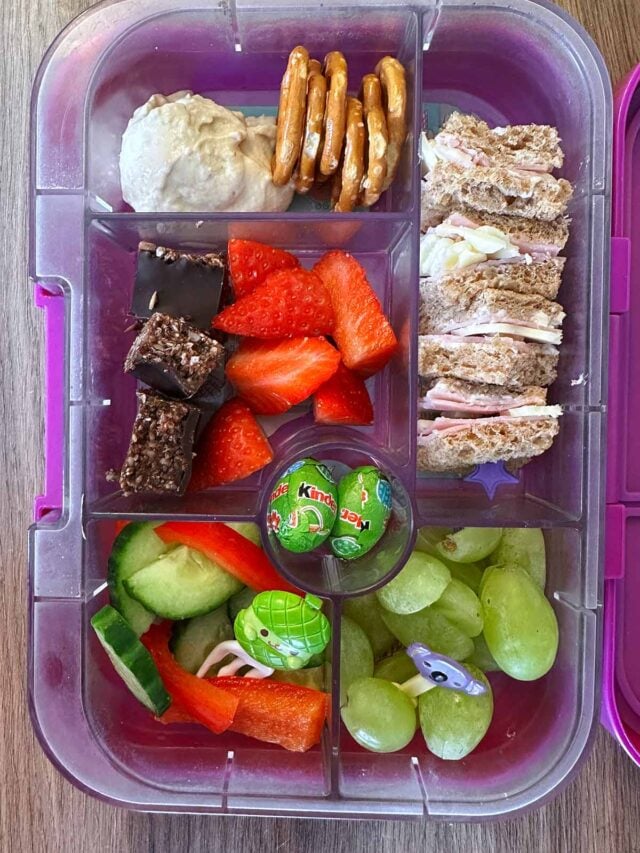
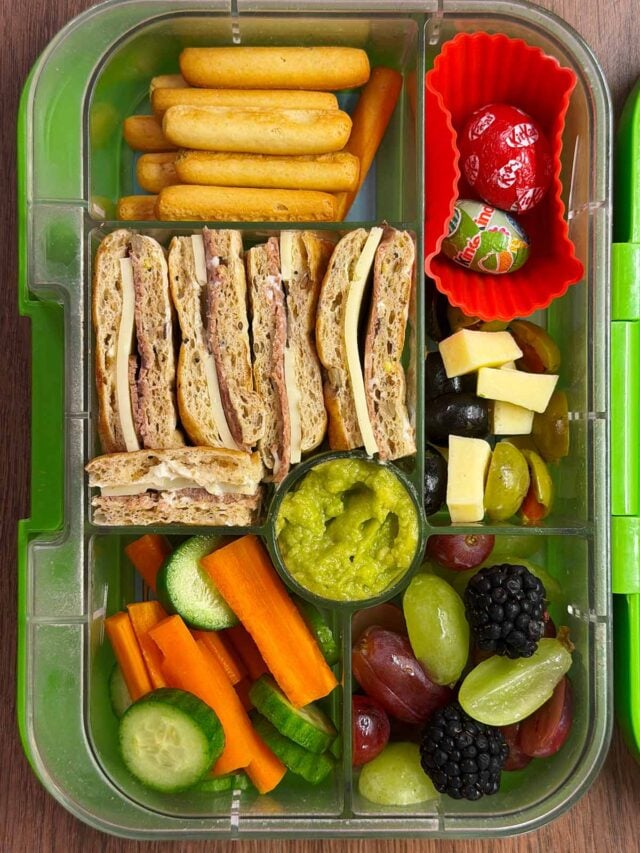
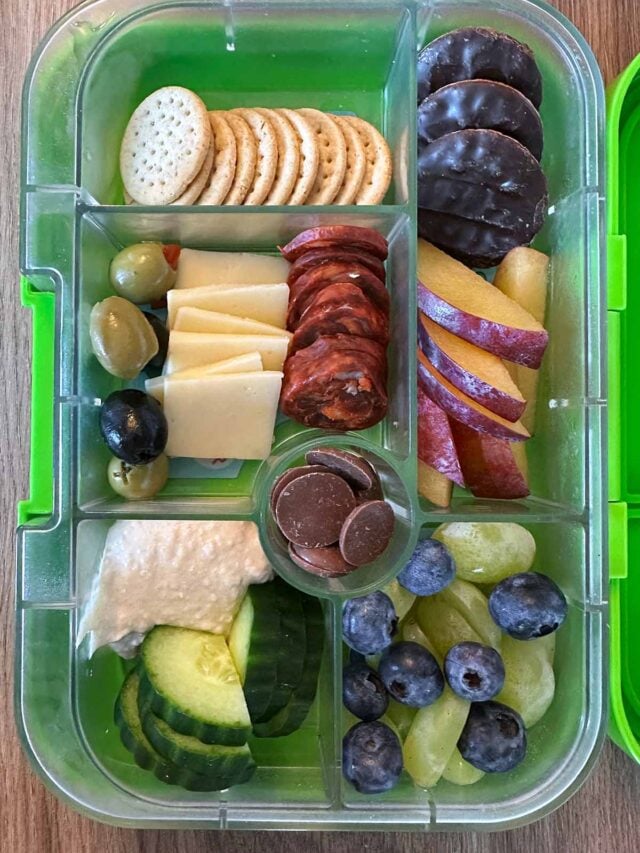
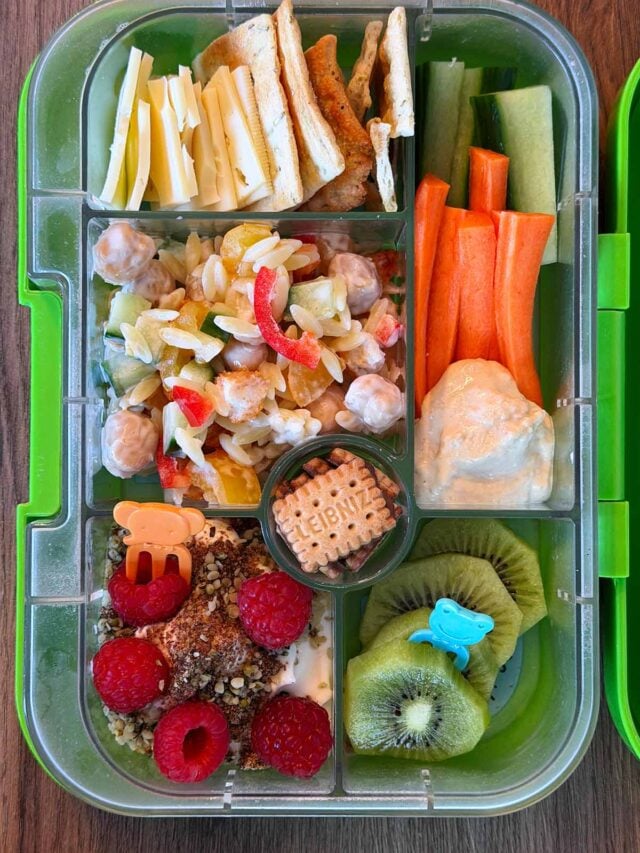
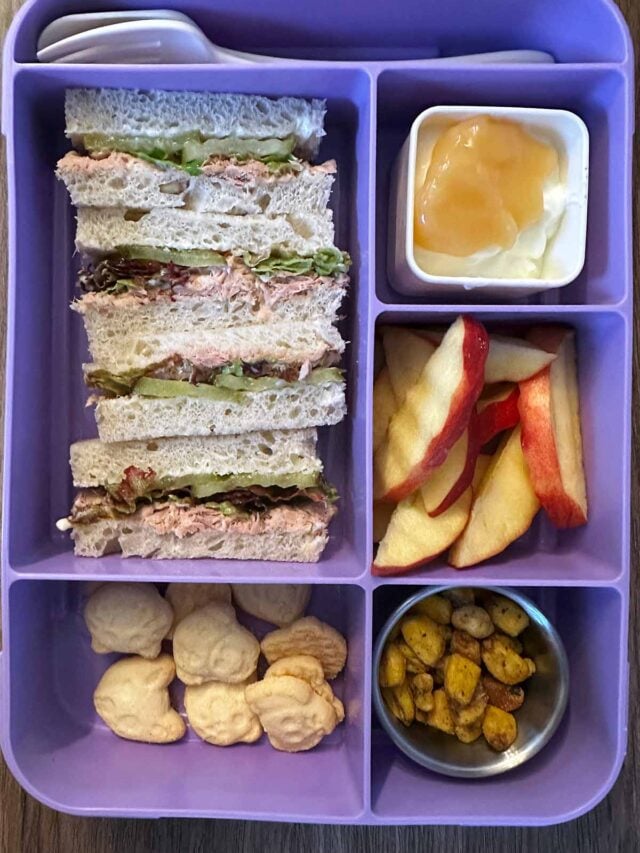
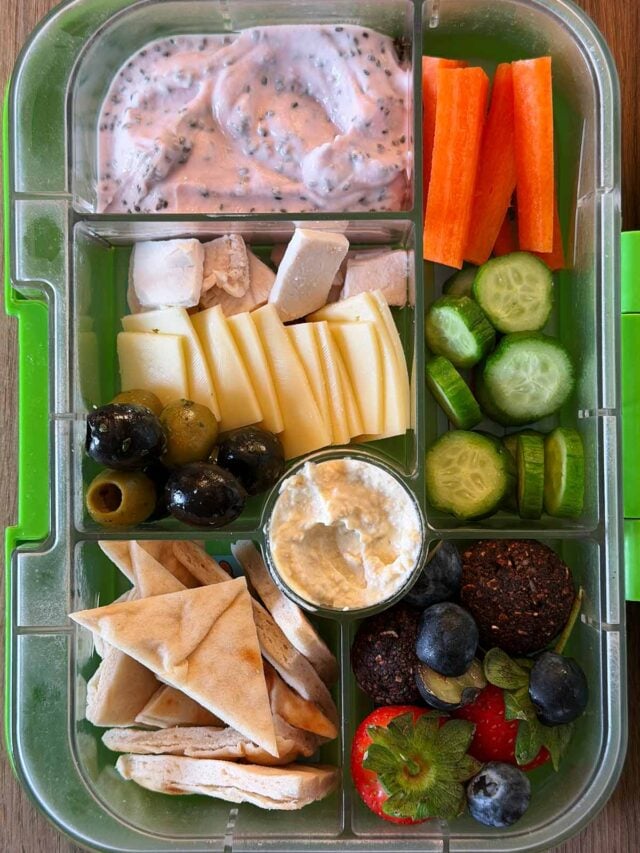
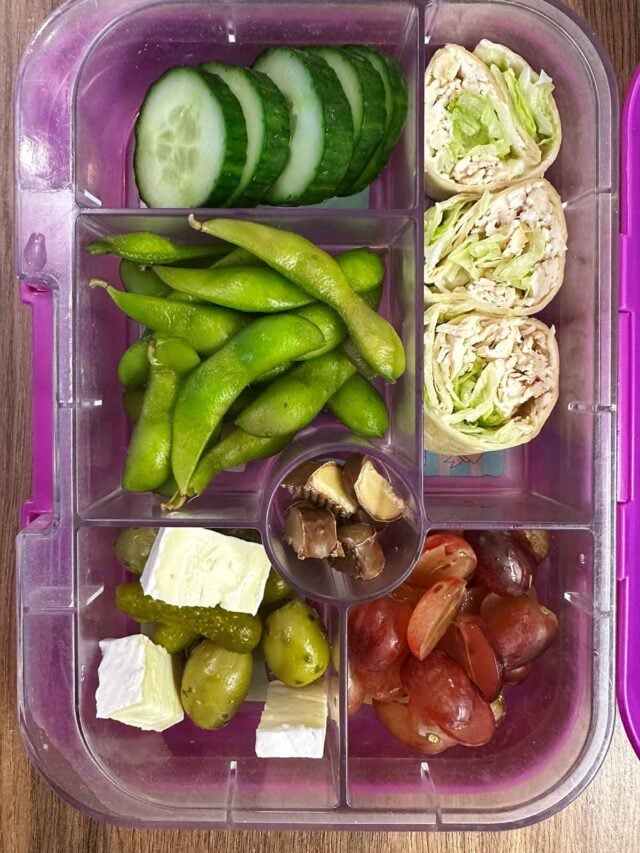
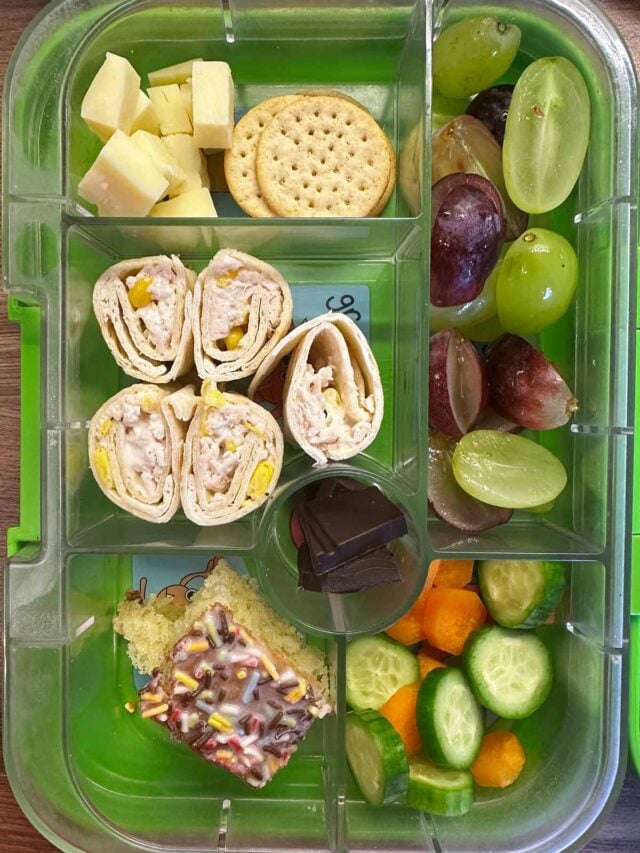
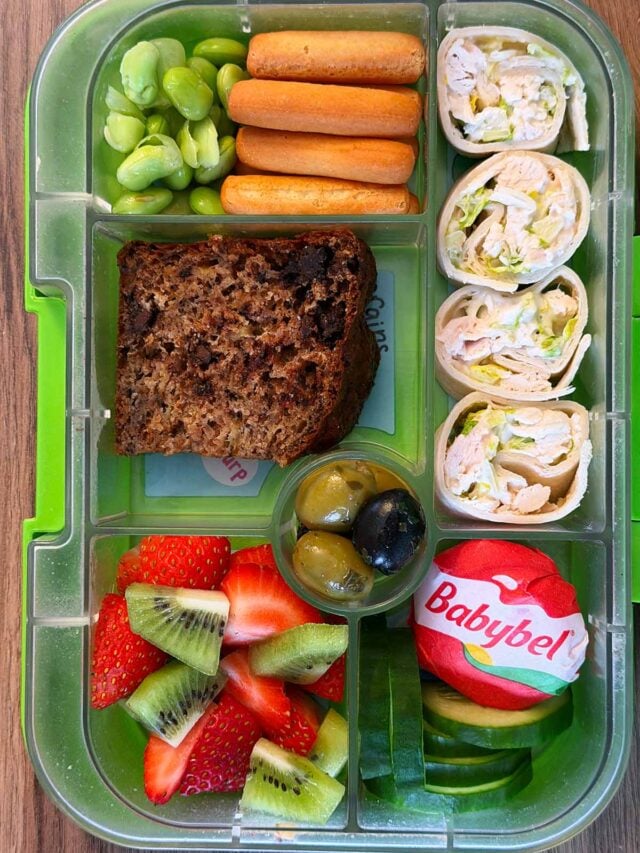
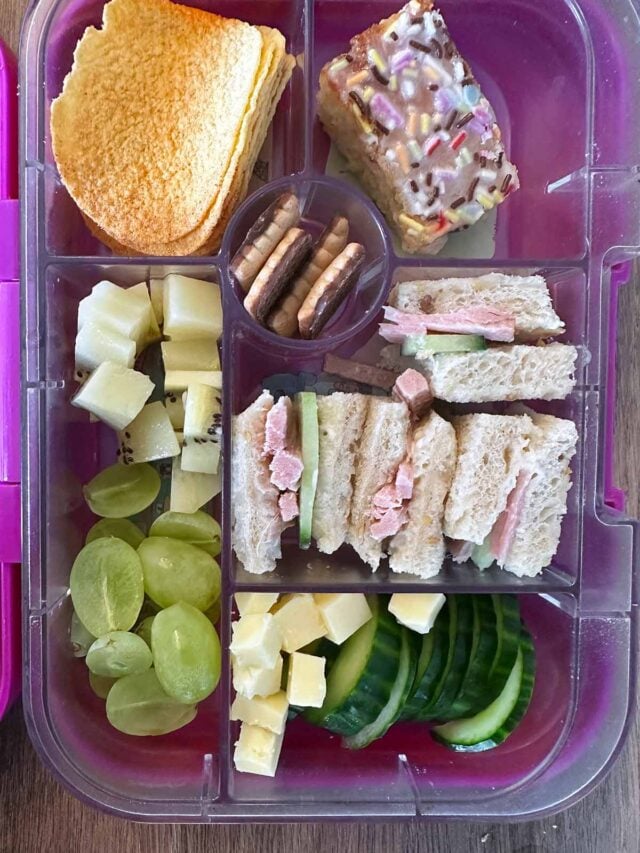
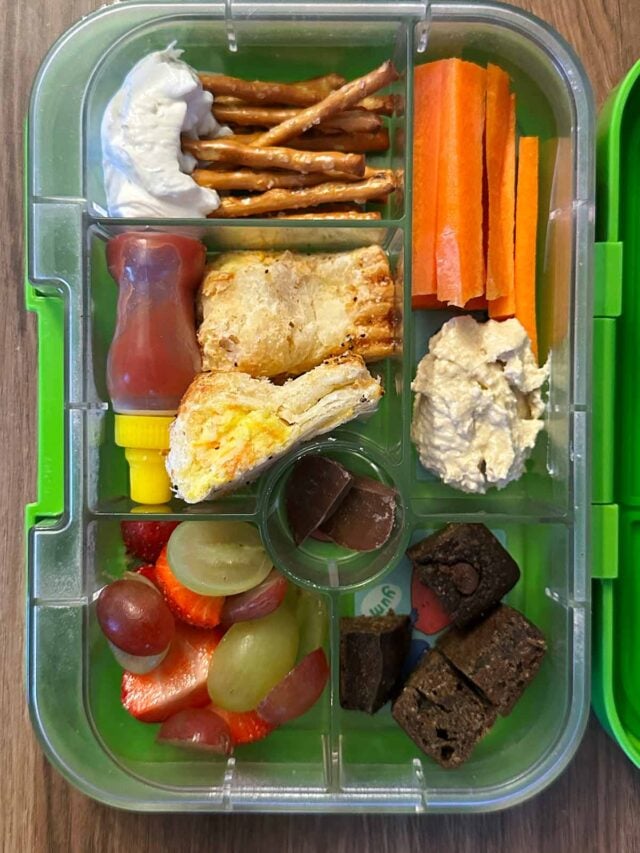
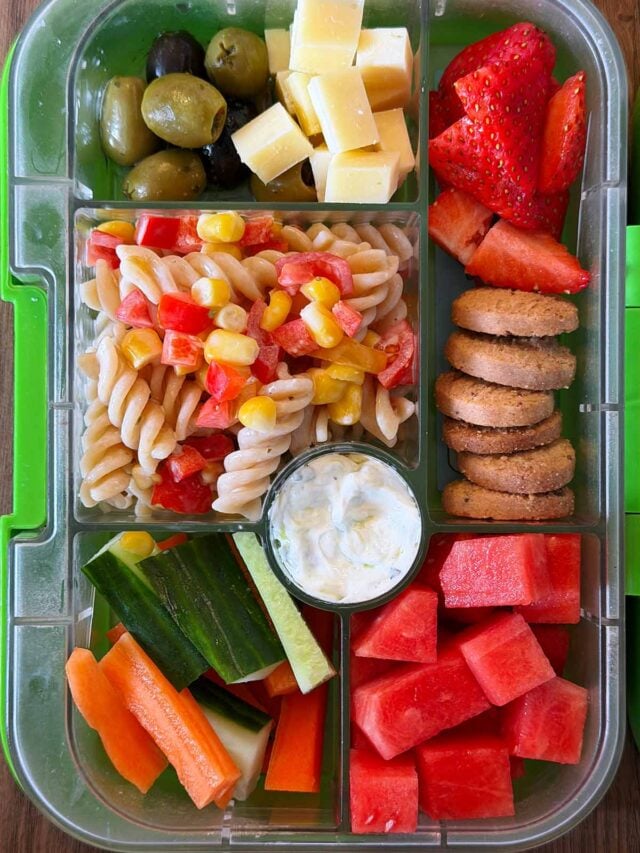
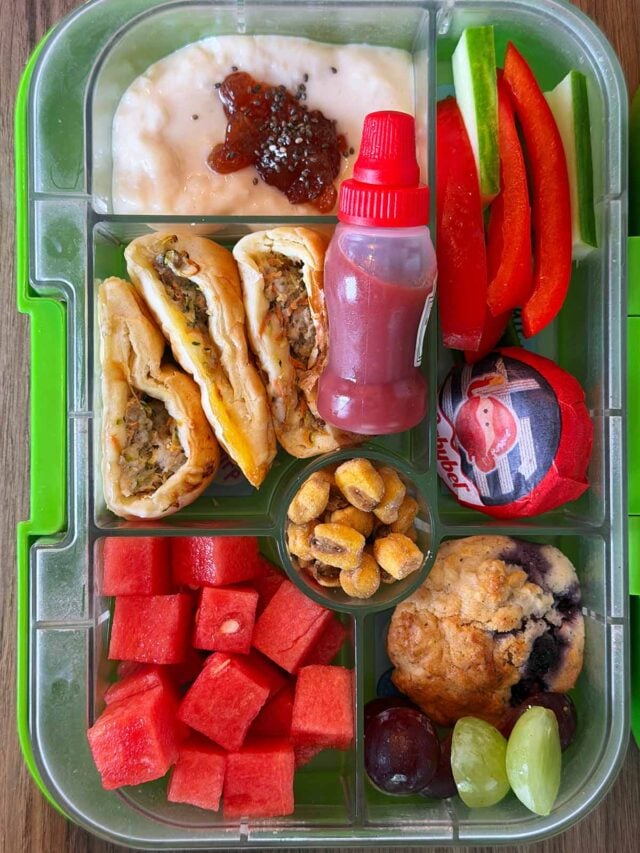
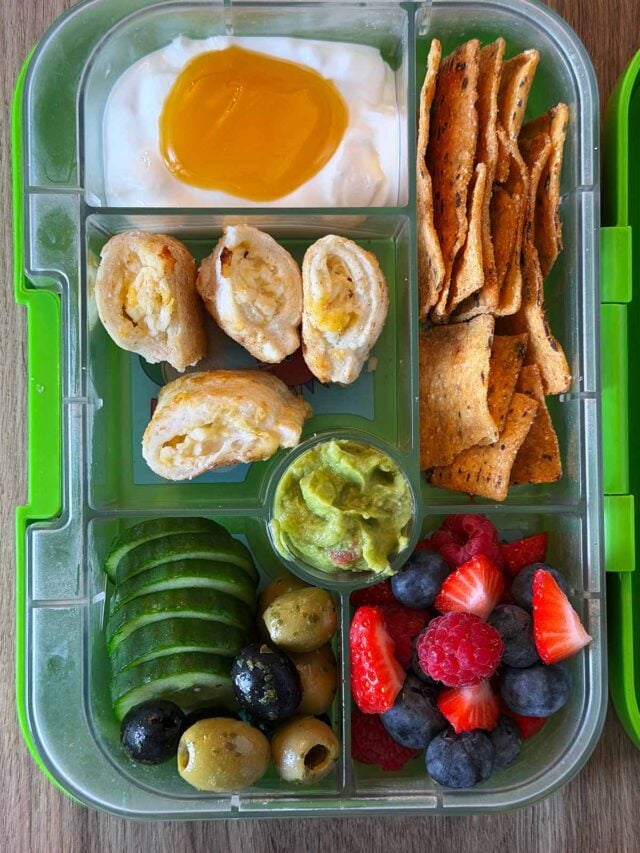
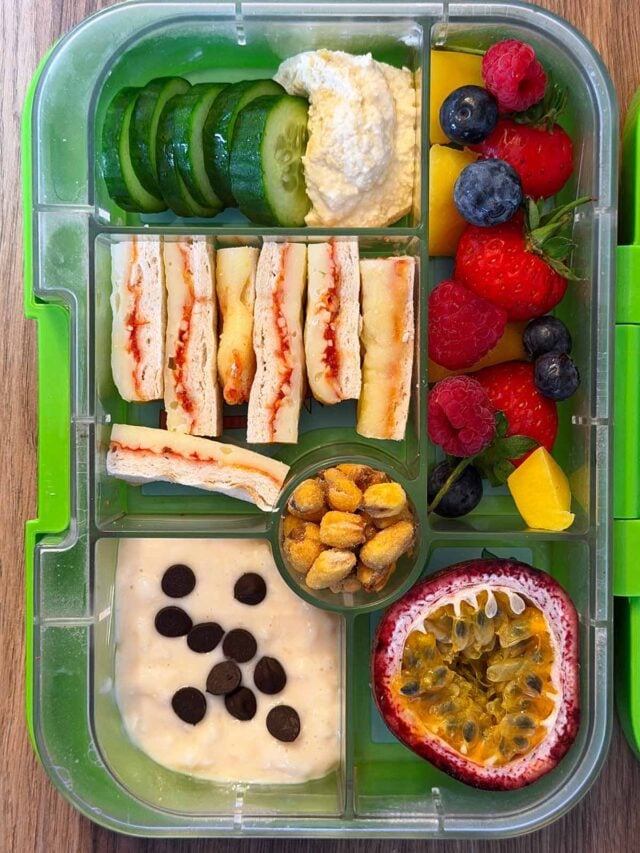
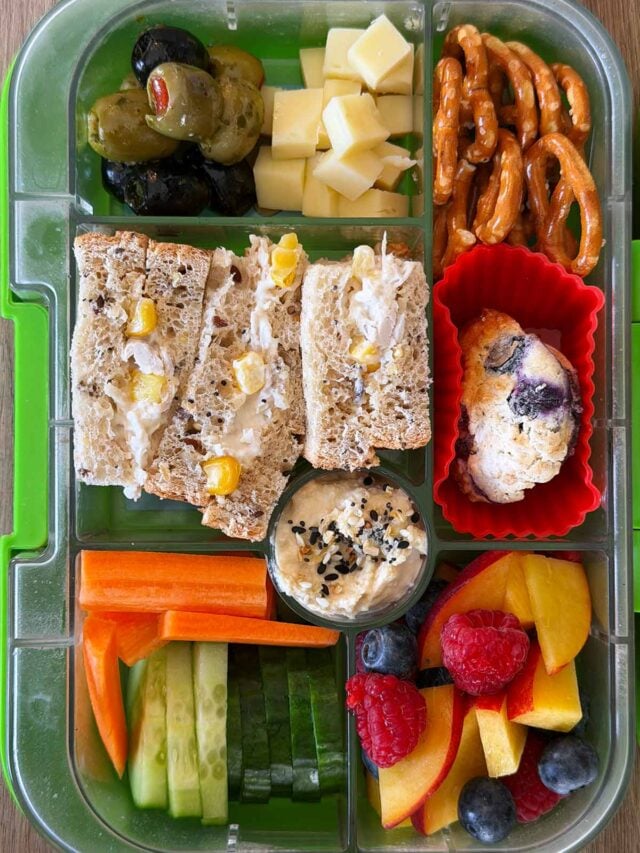
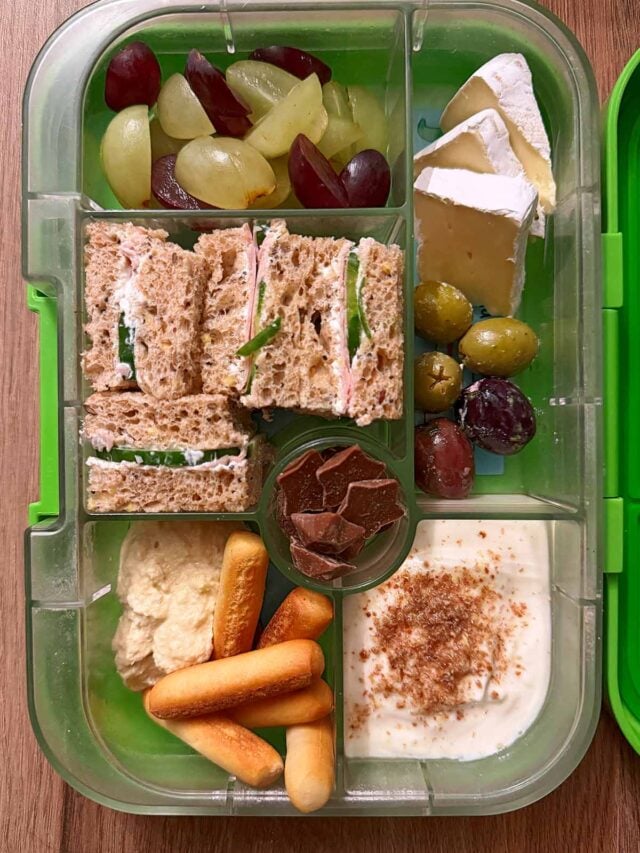
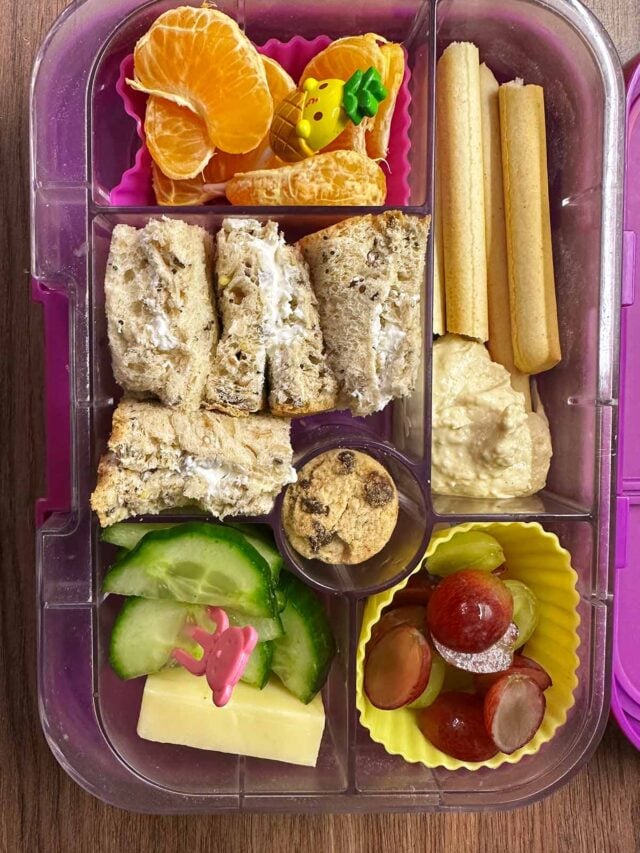
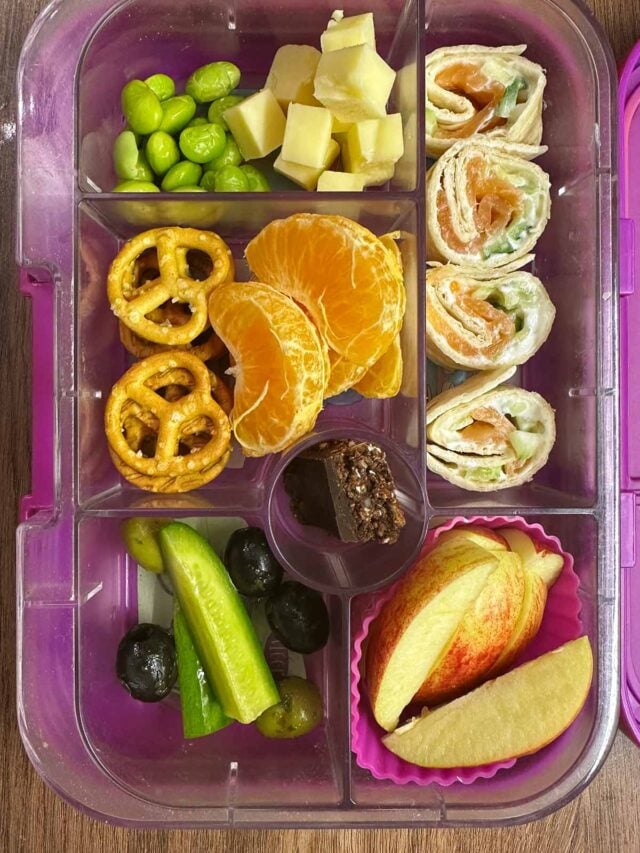
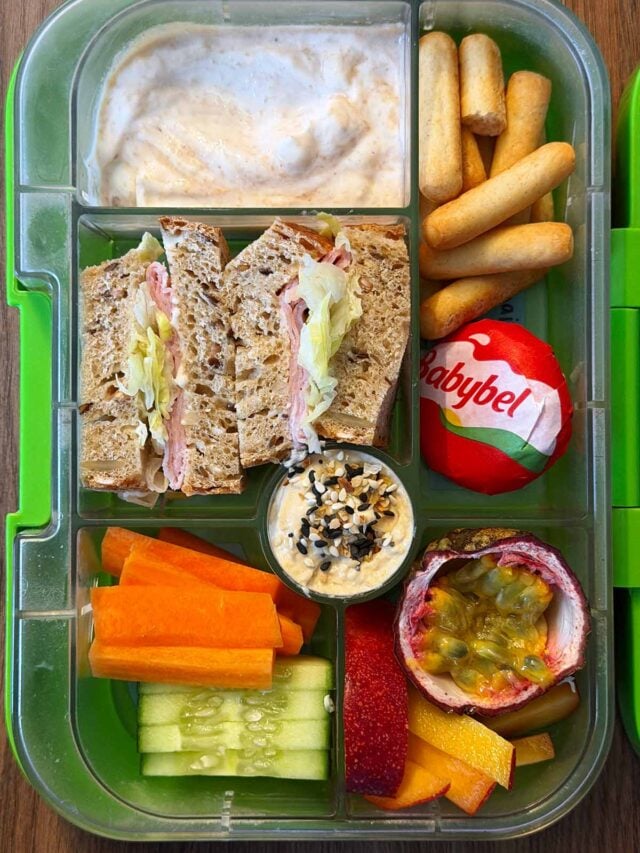
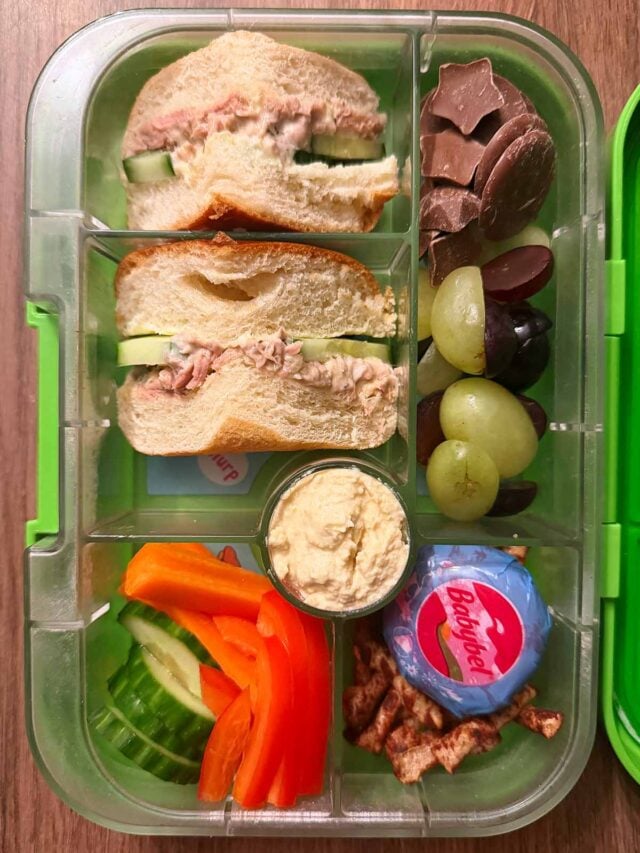
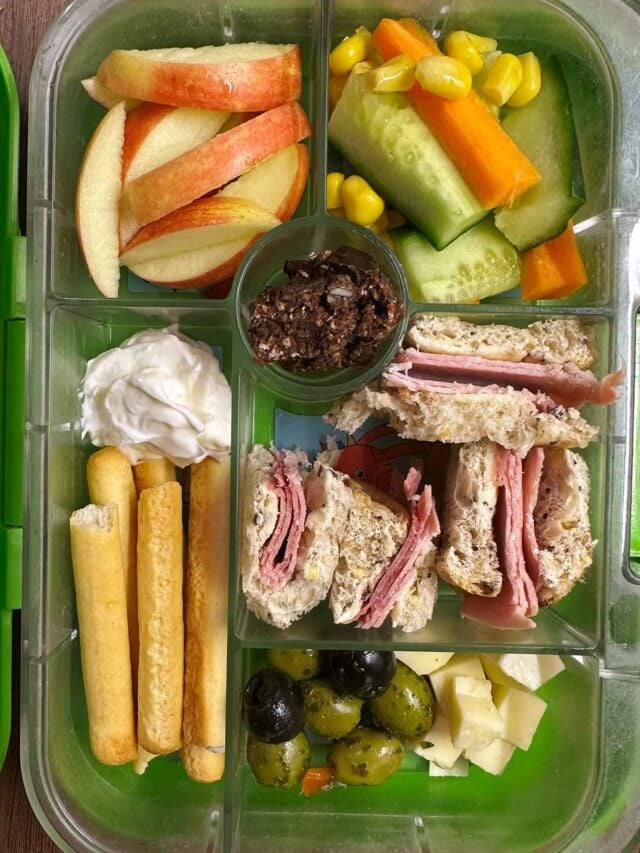
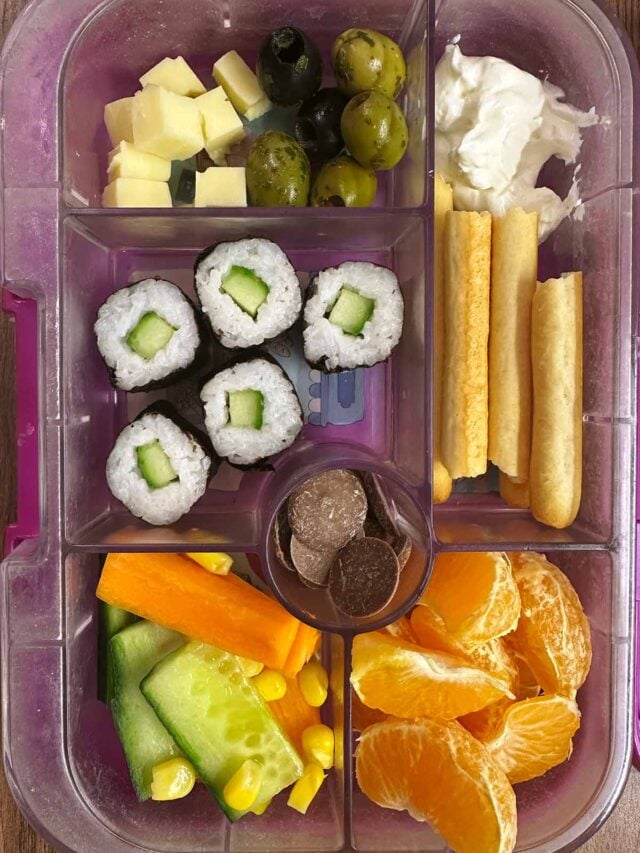
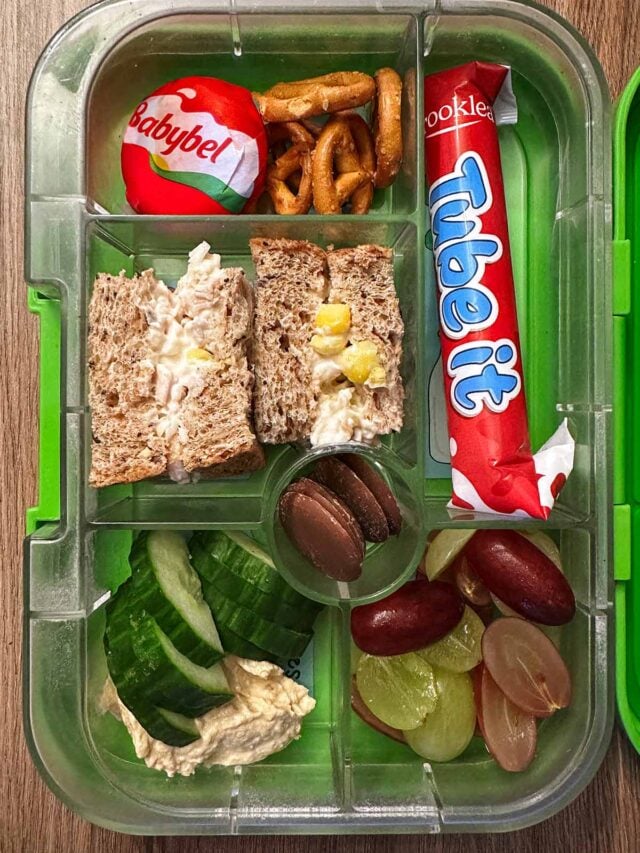
Click one of the lunchbox images below to open our lunchbox library of inspiration.
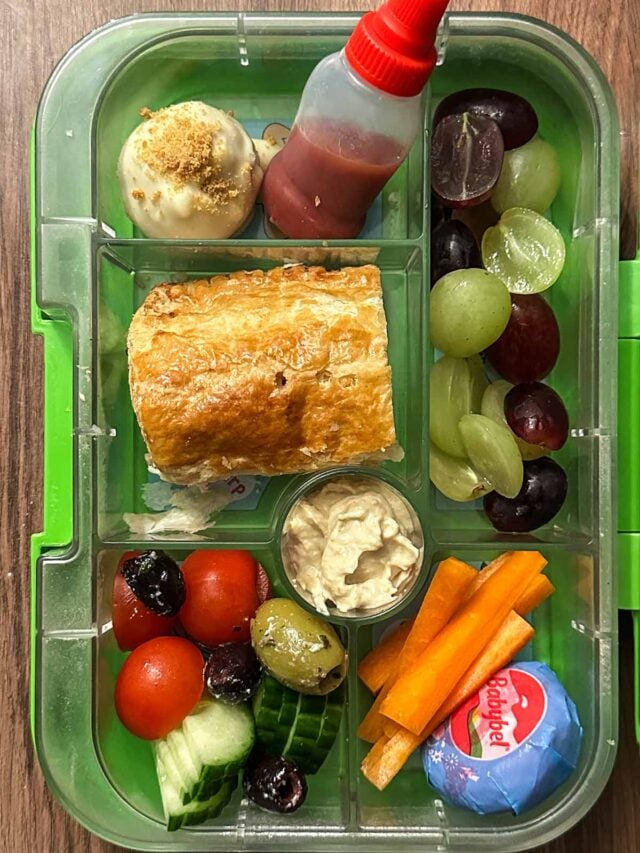
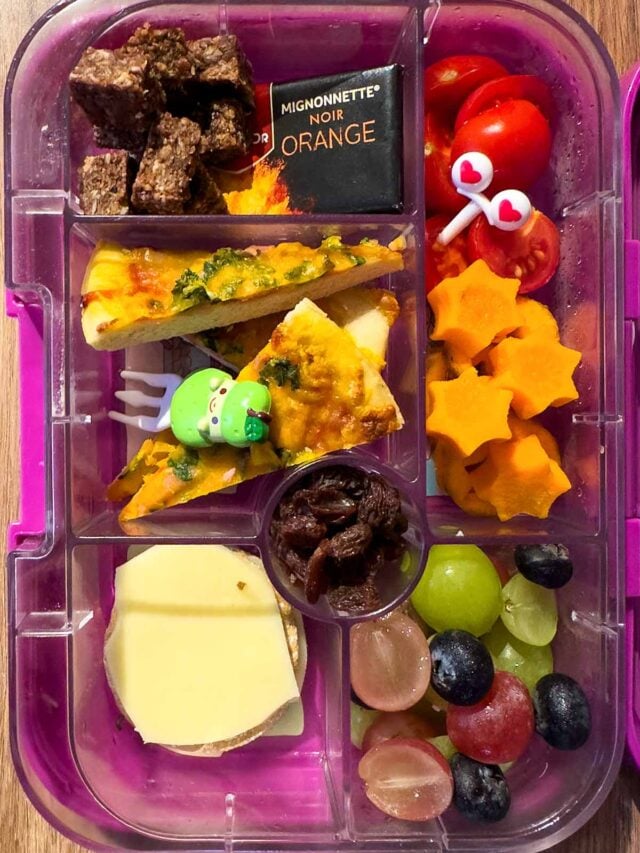
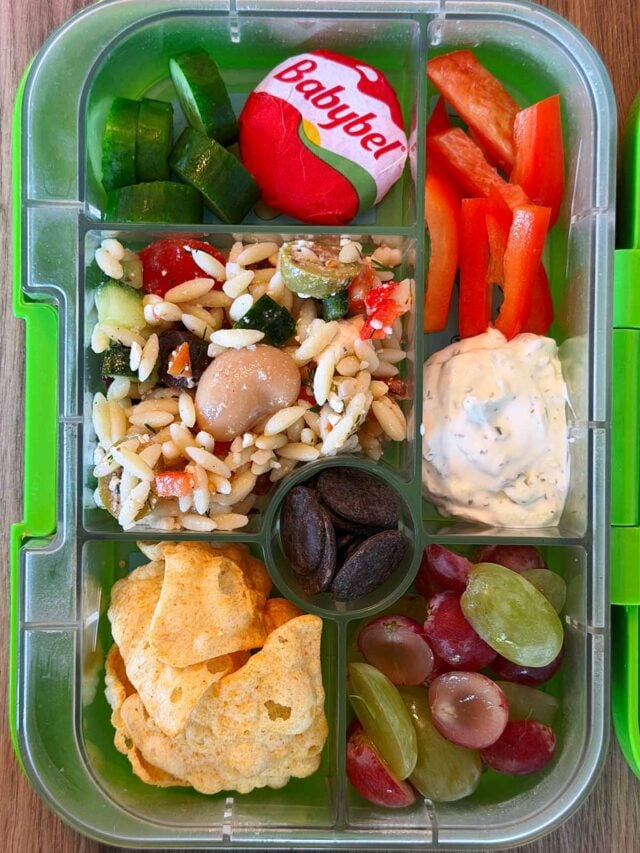
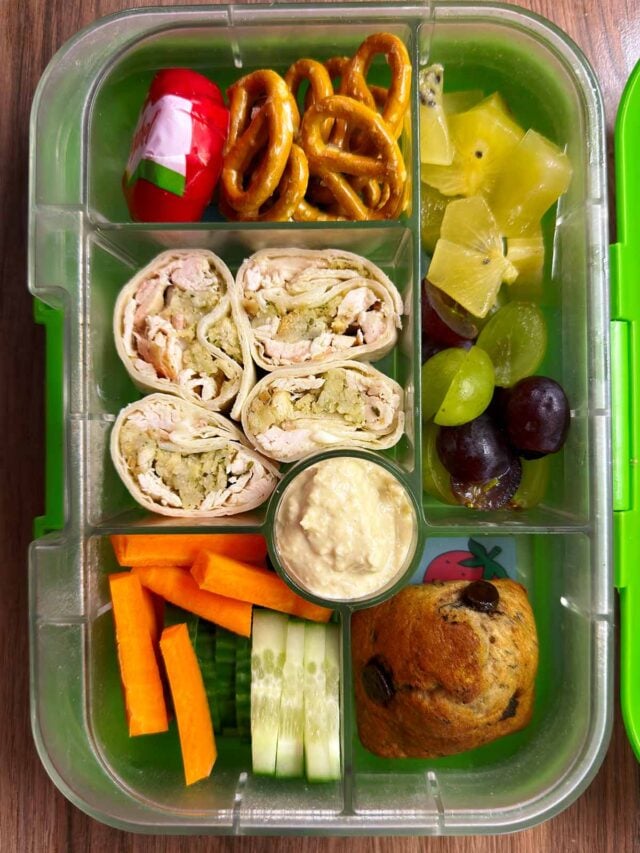
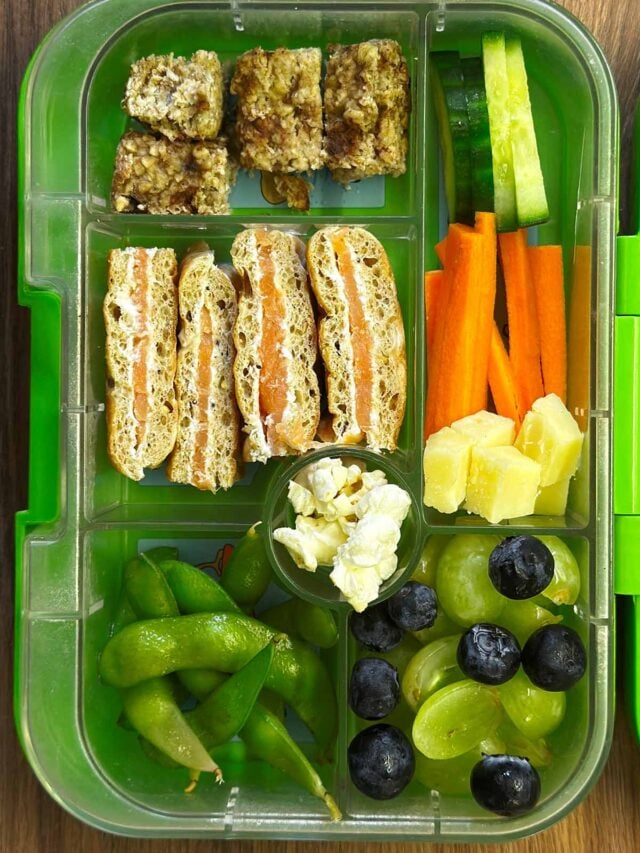
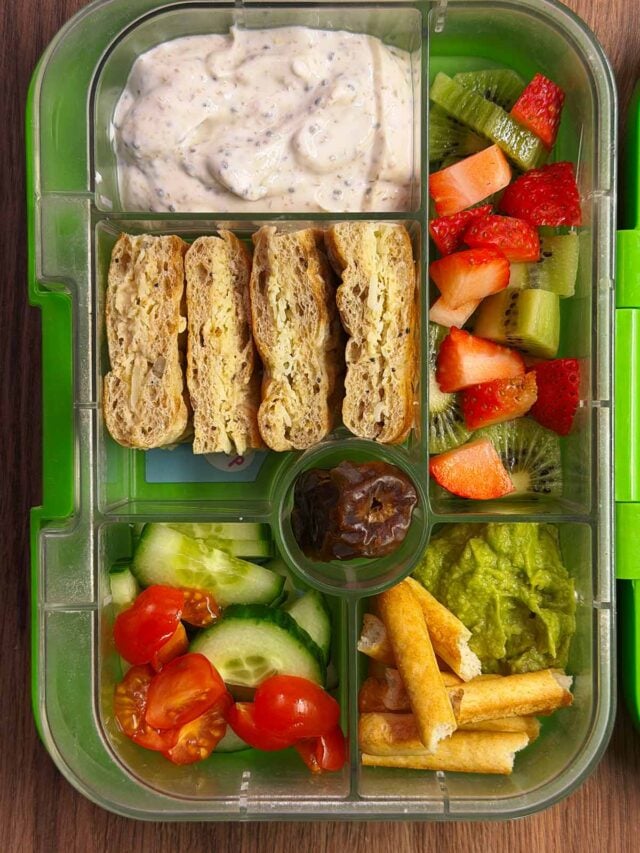
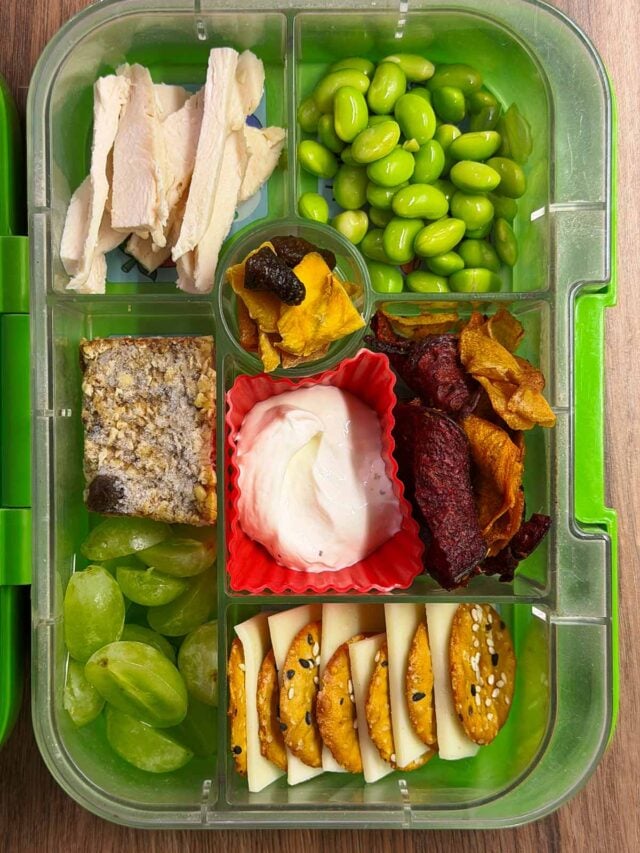
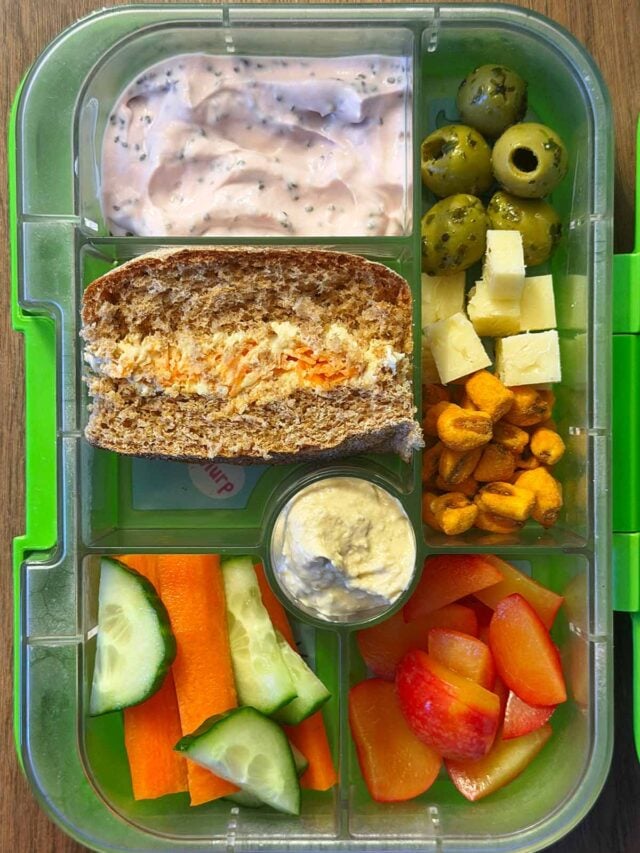
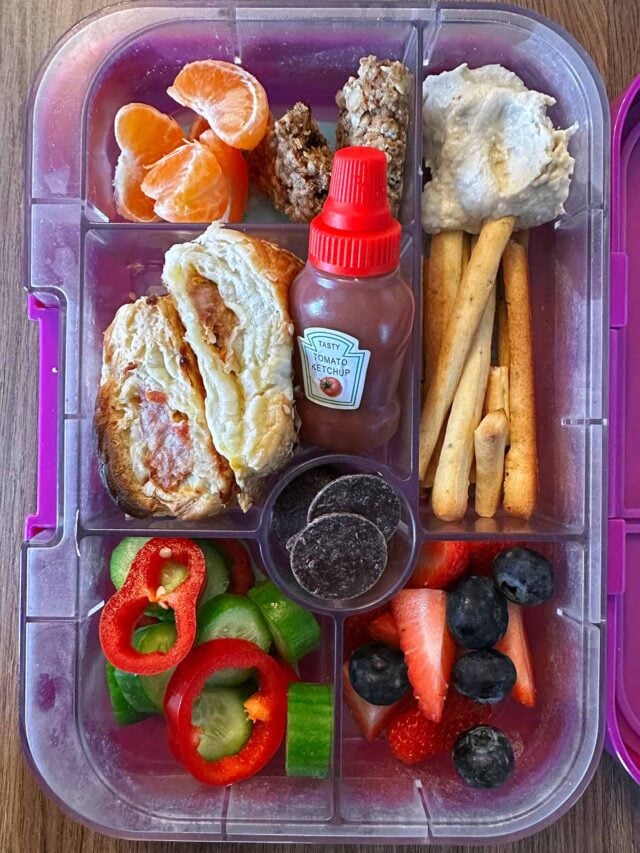
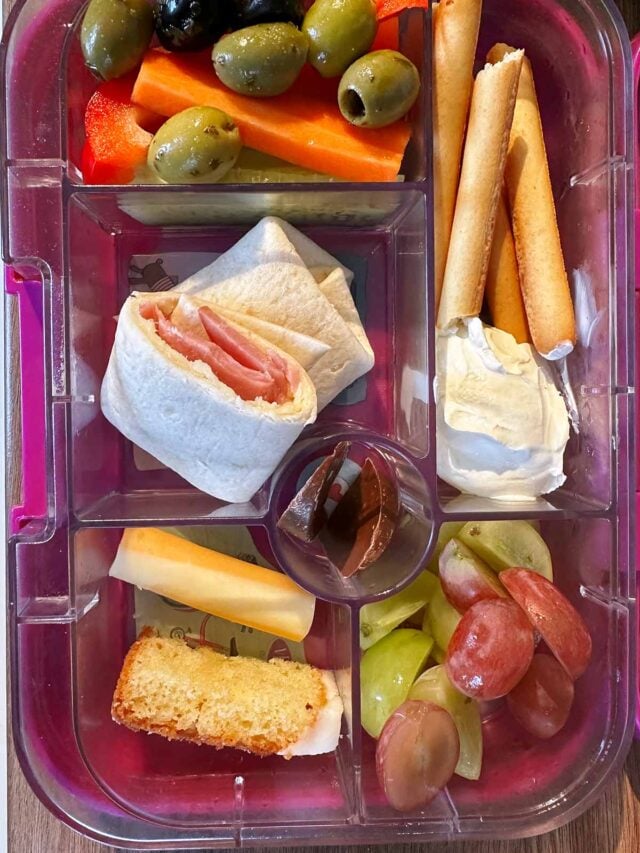
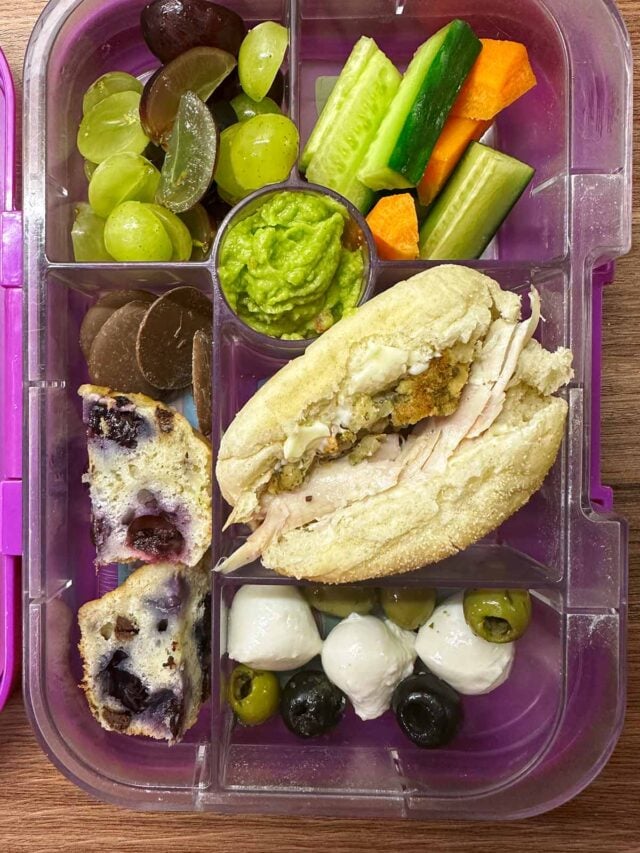
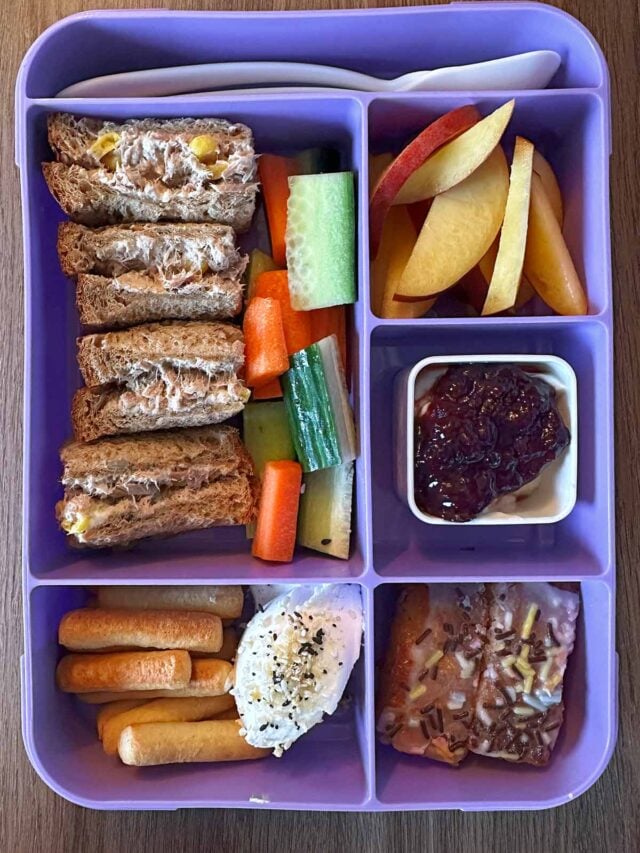
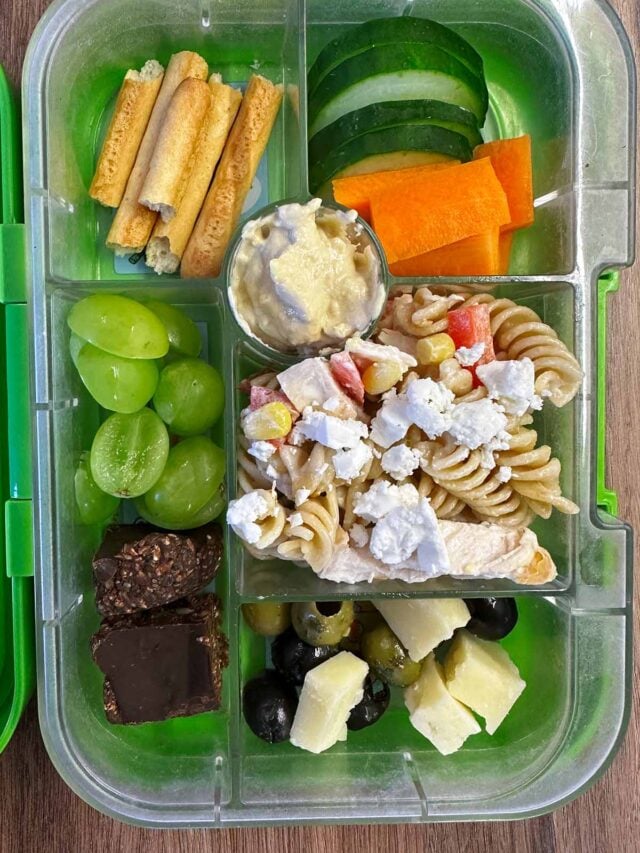
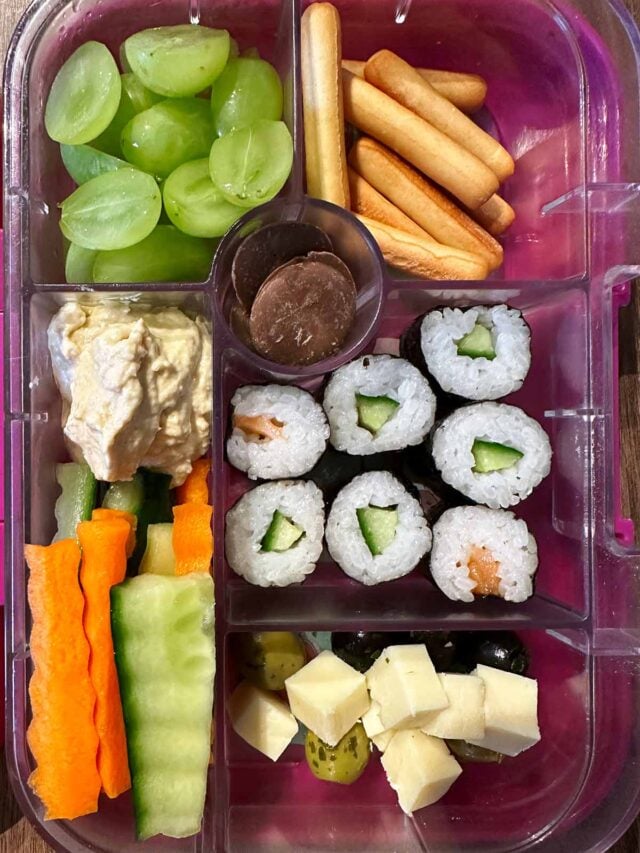
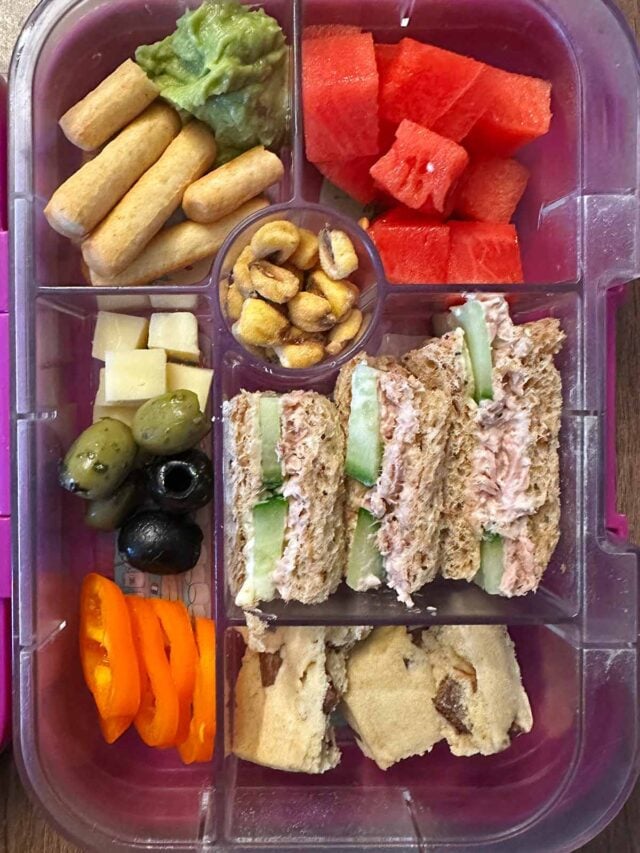
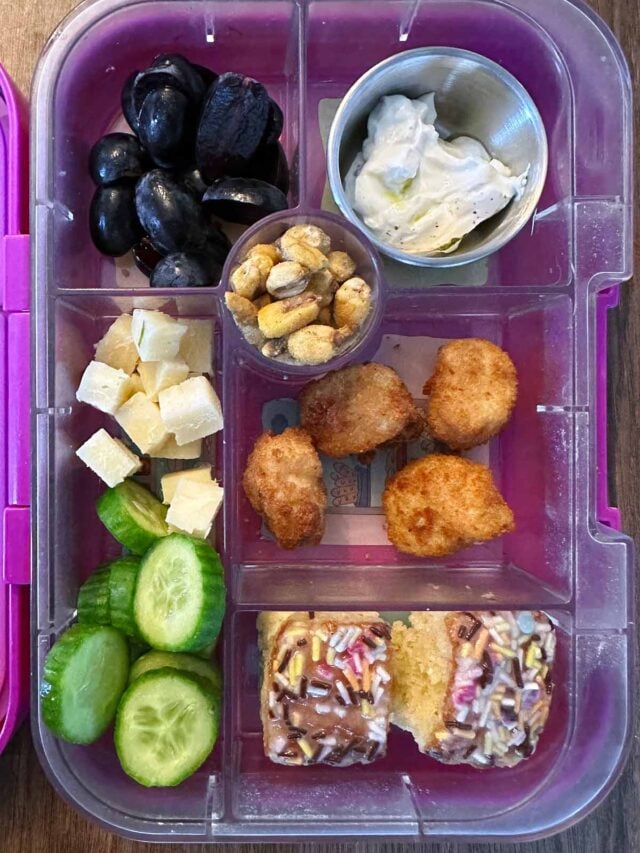
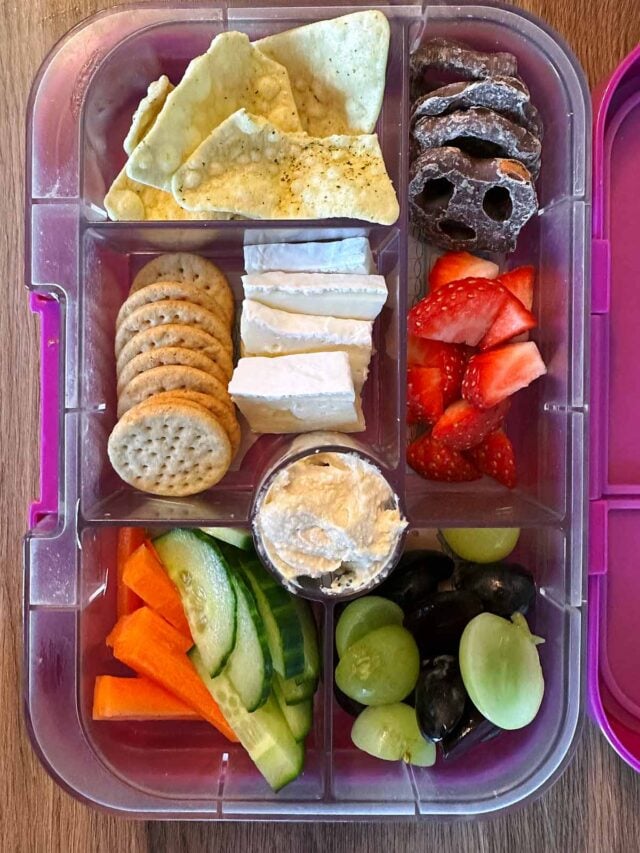
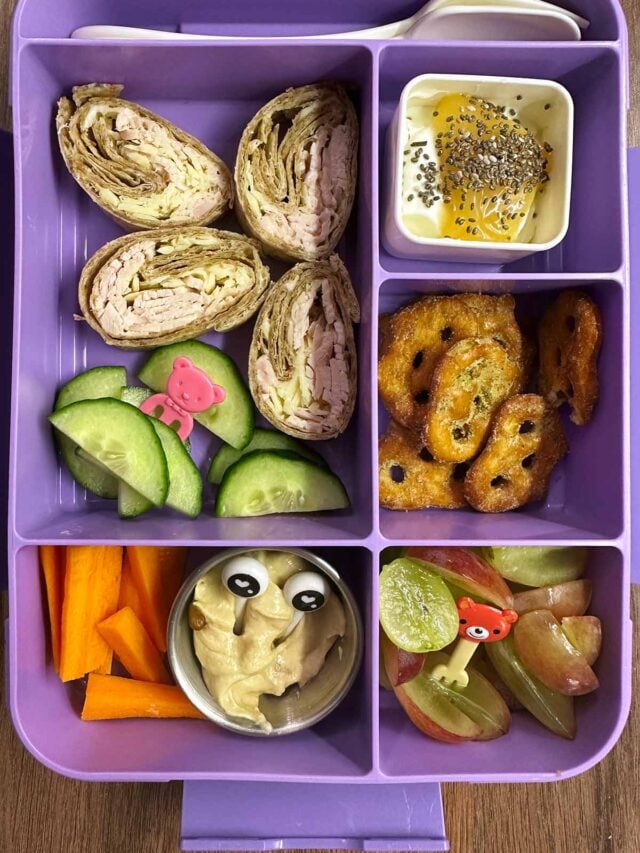
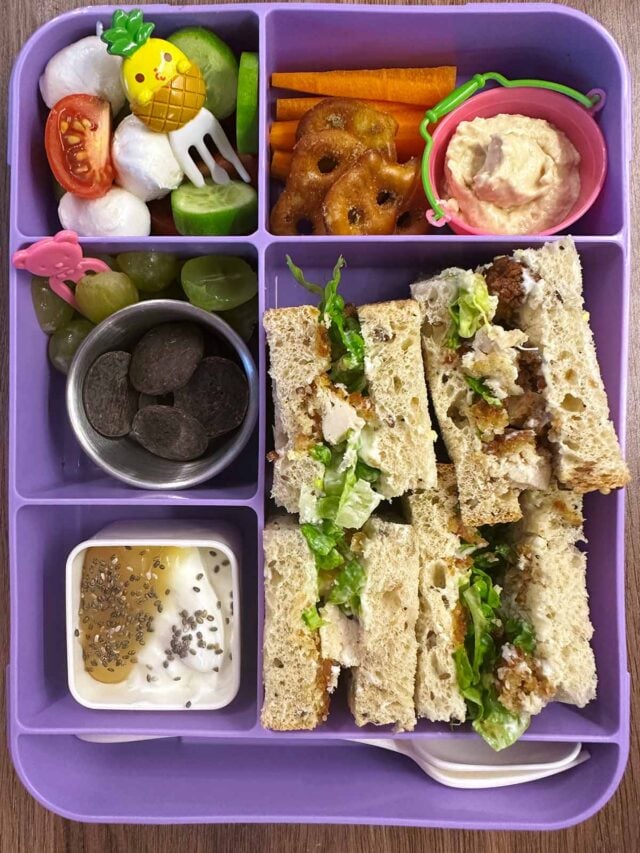
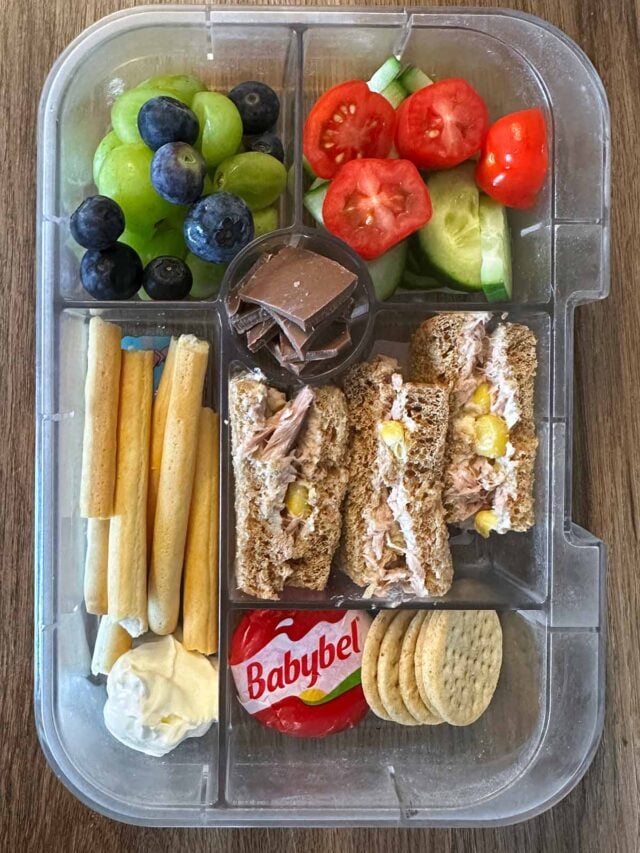
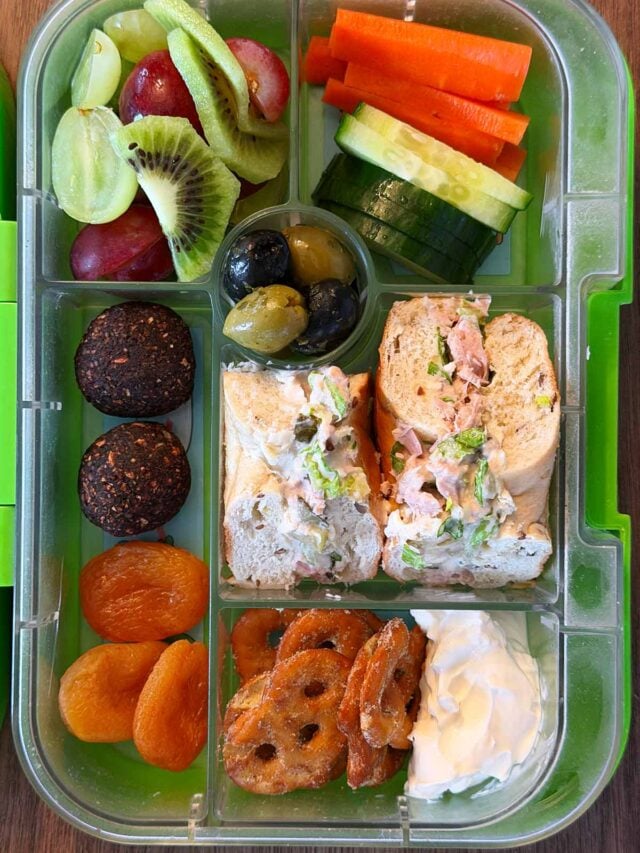
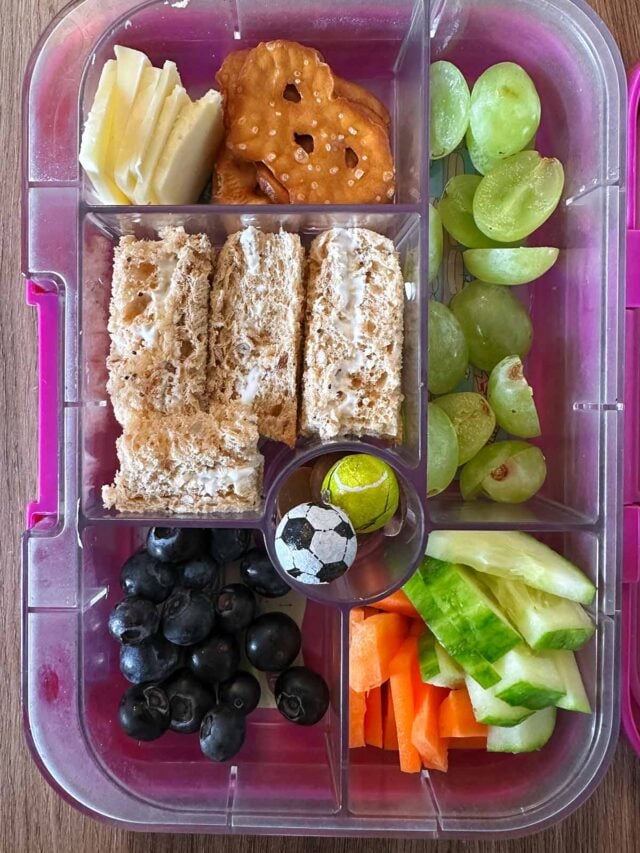
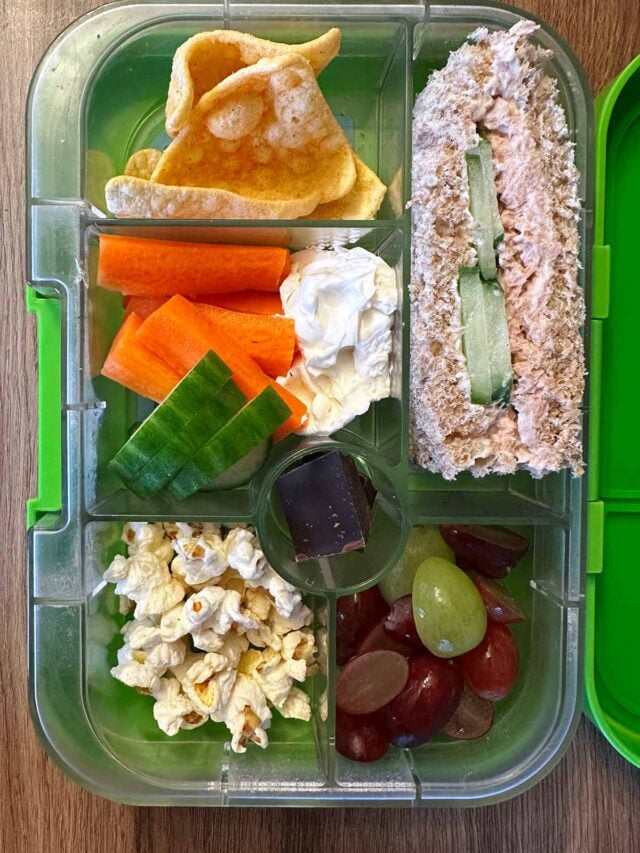
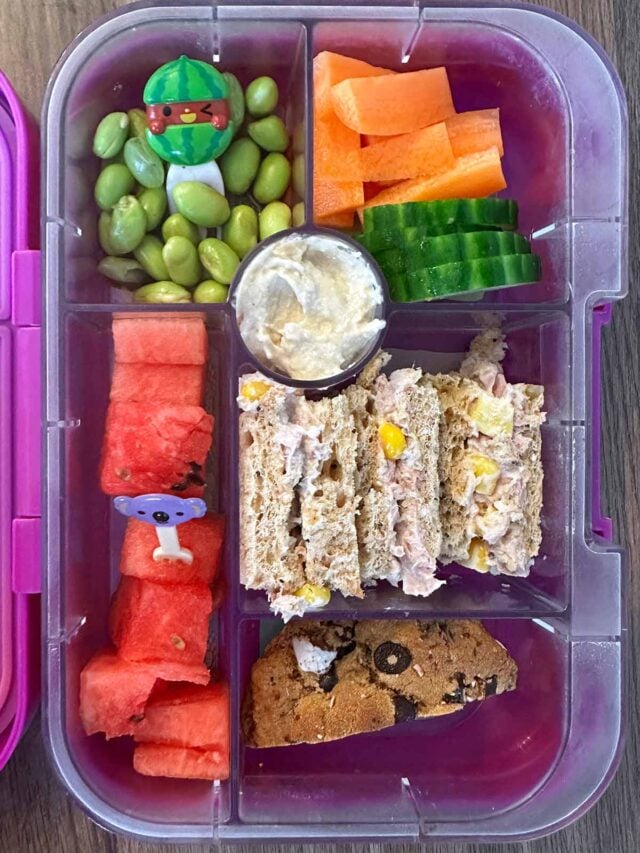
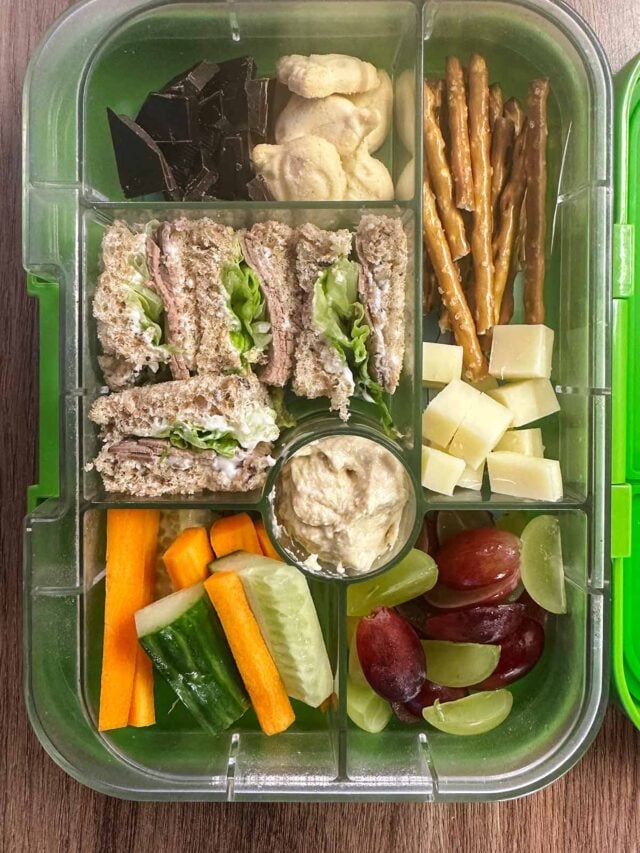
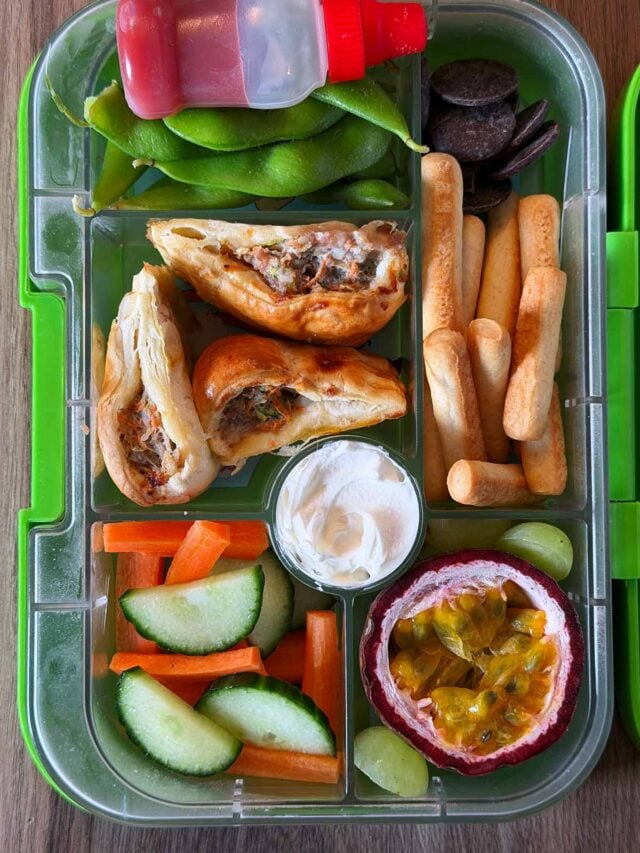
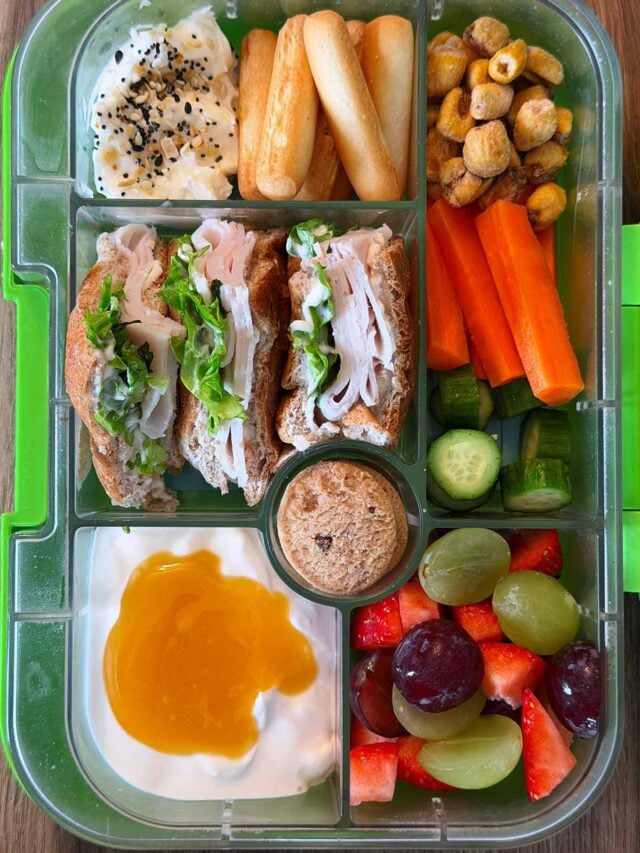
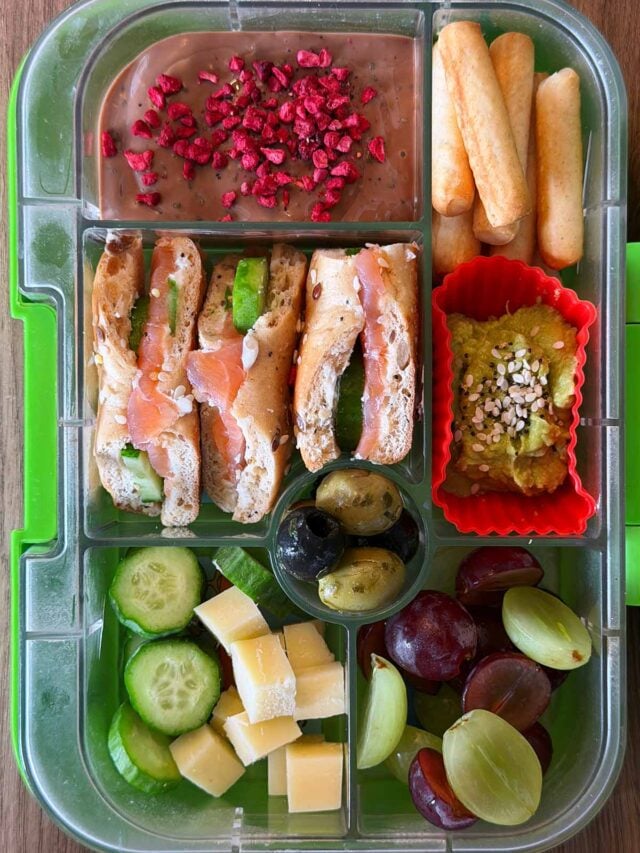
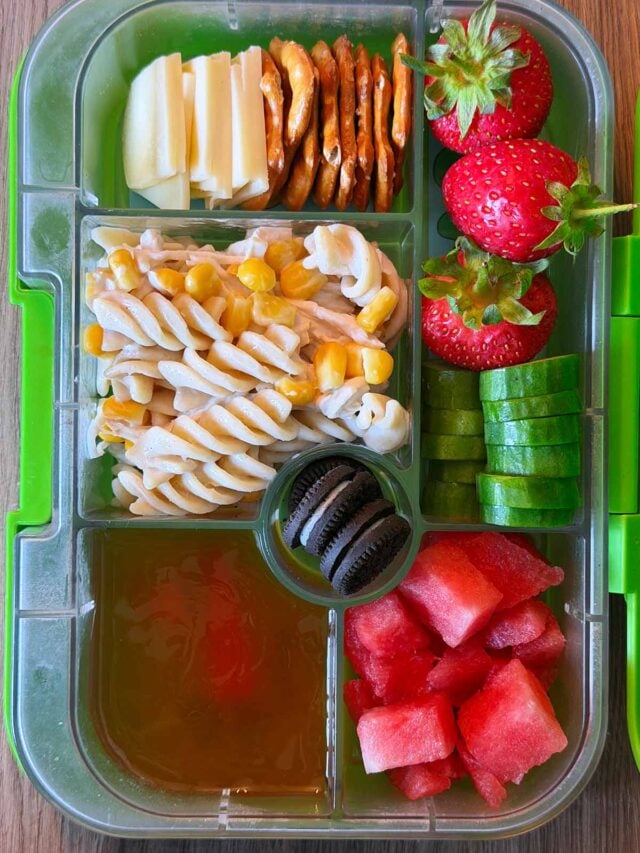
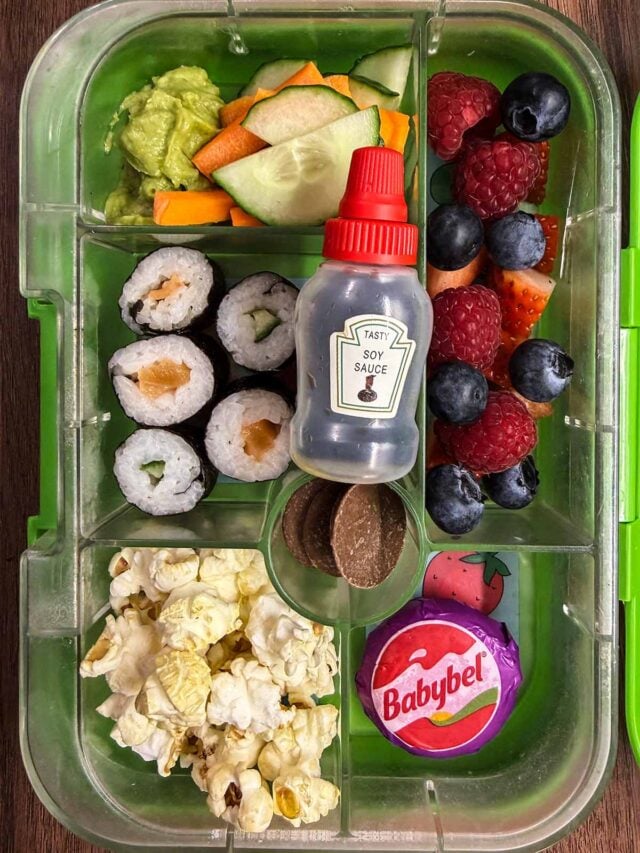
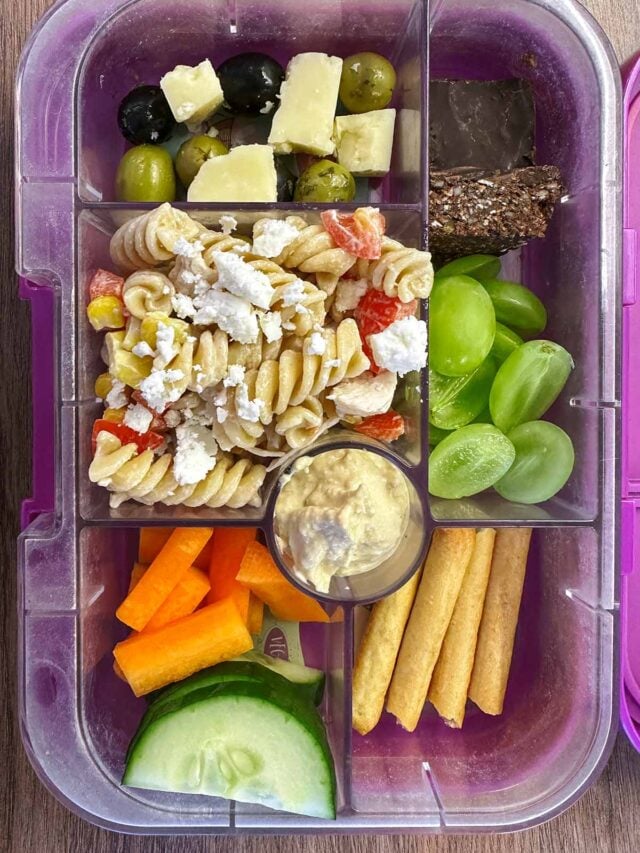
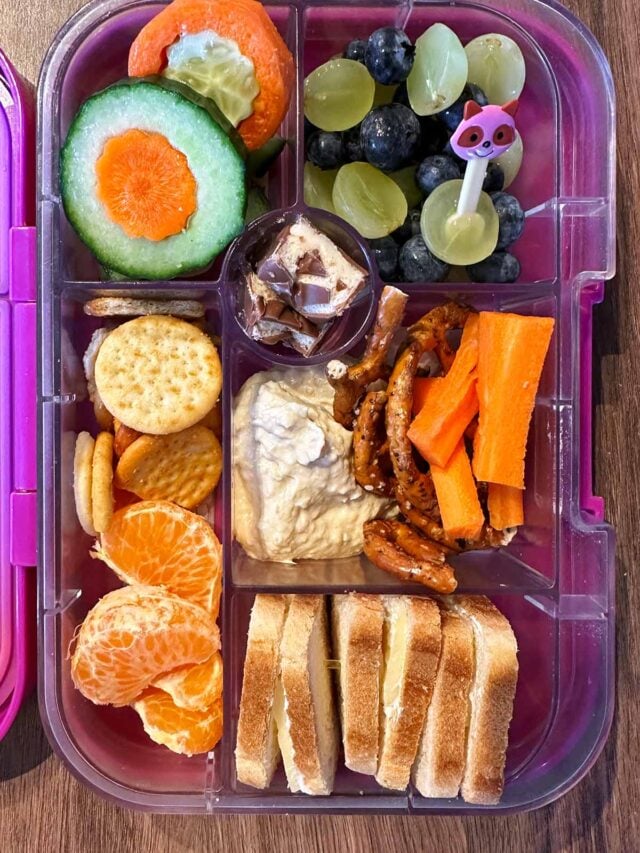
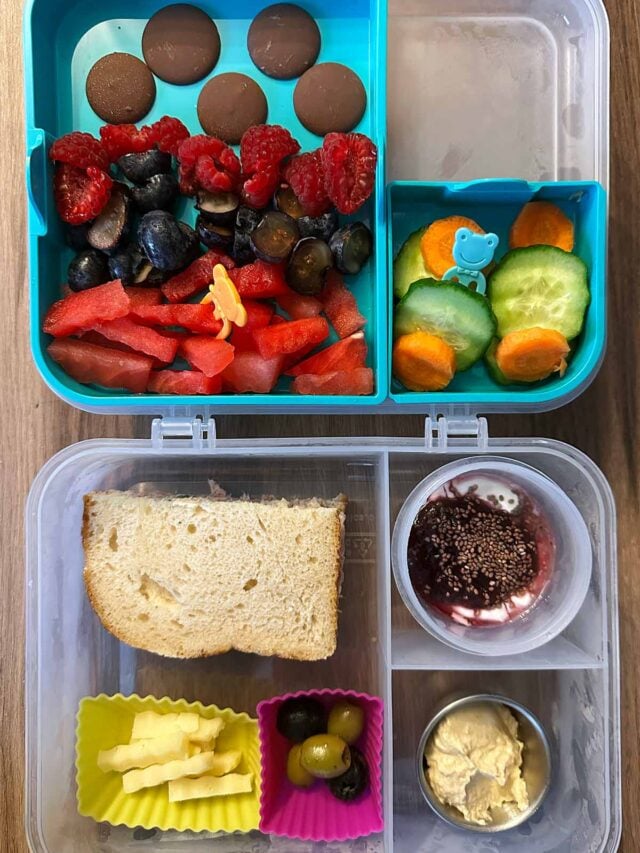
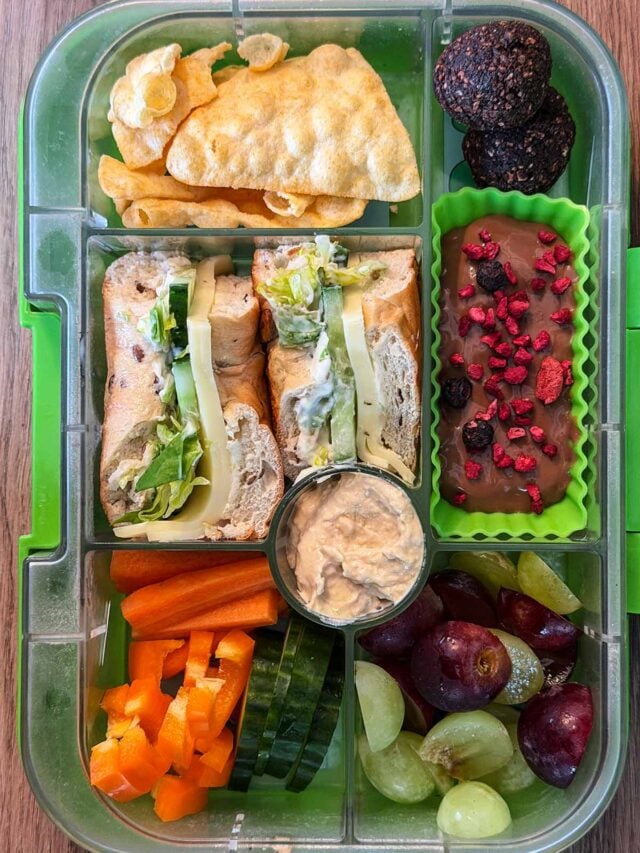
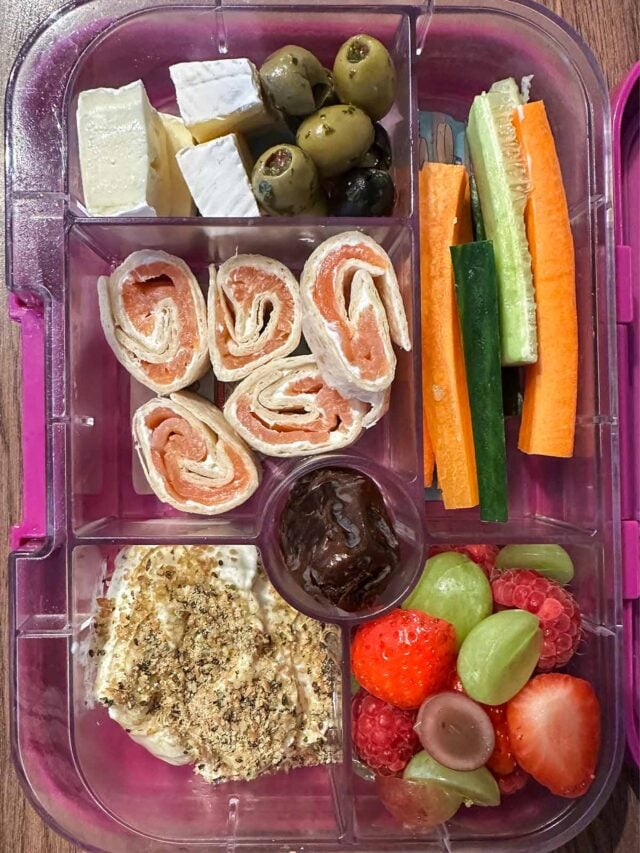
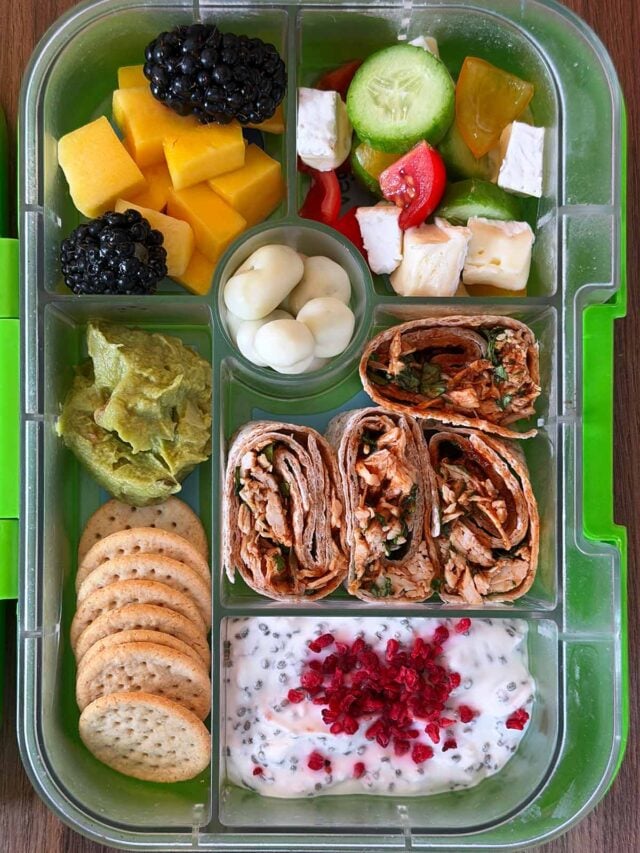
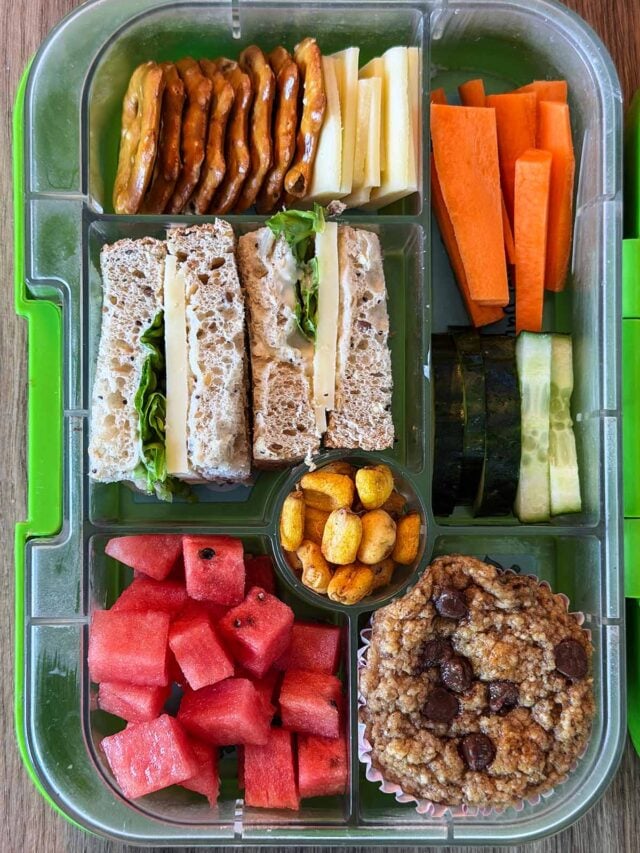
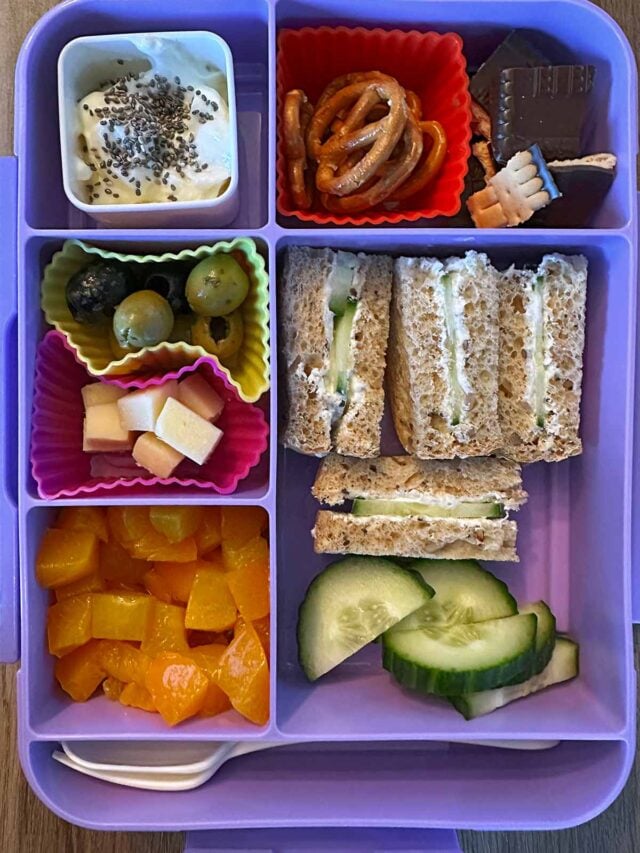
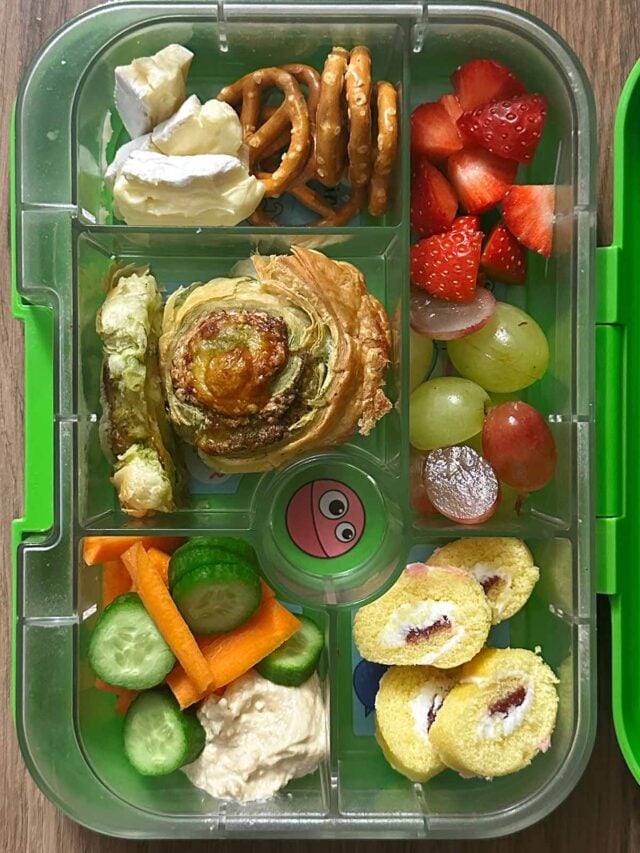
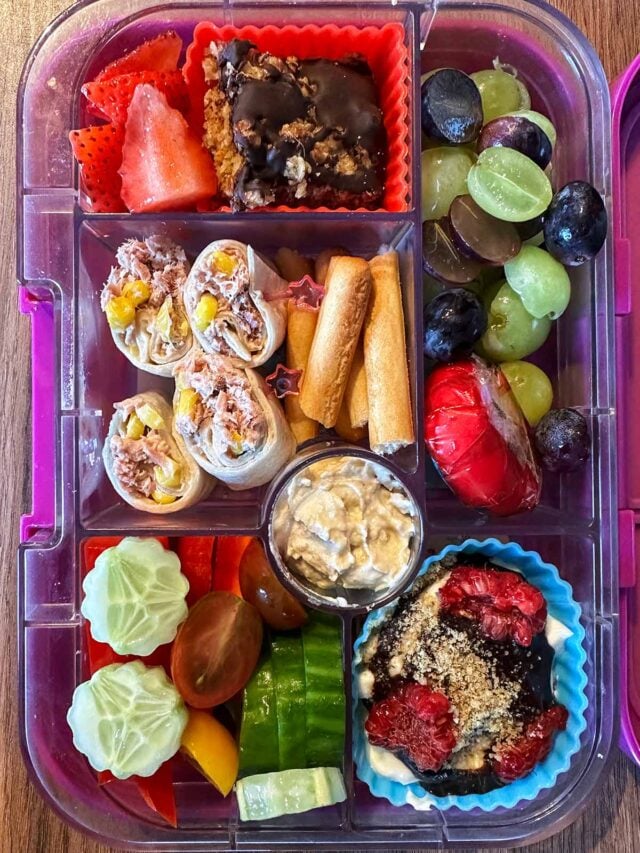
A final note
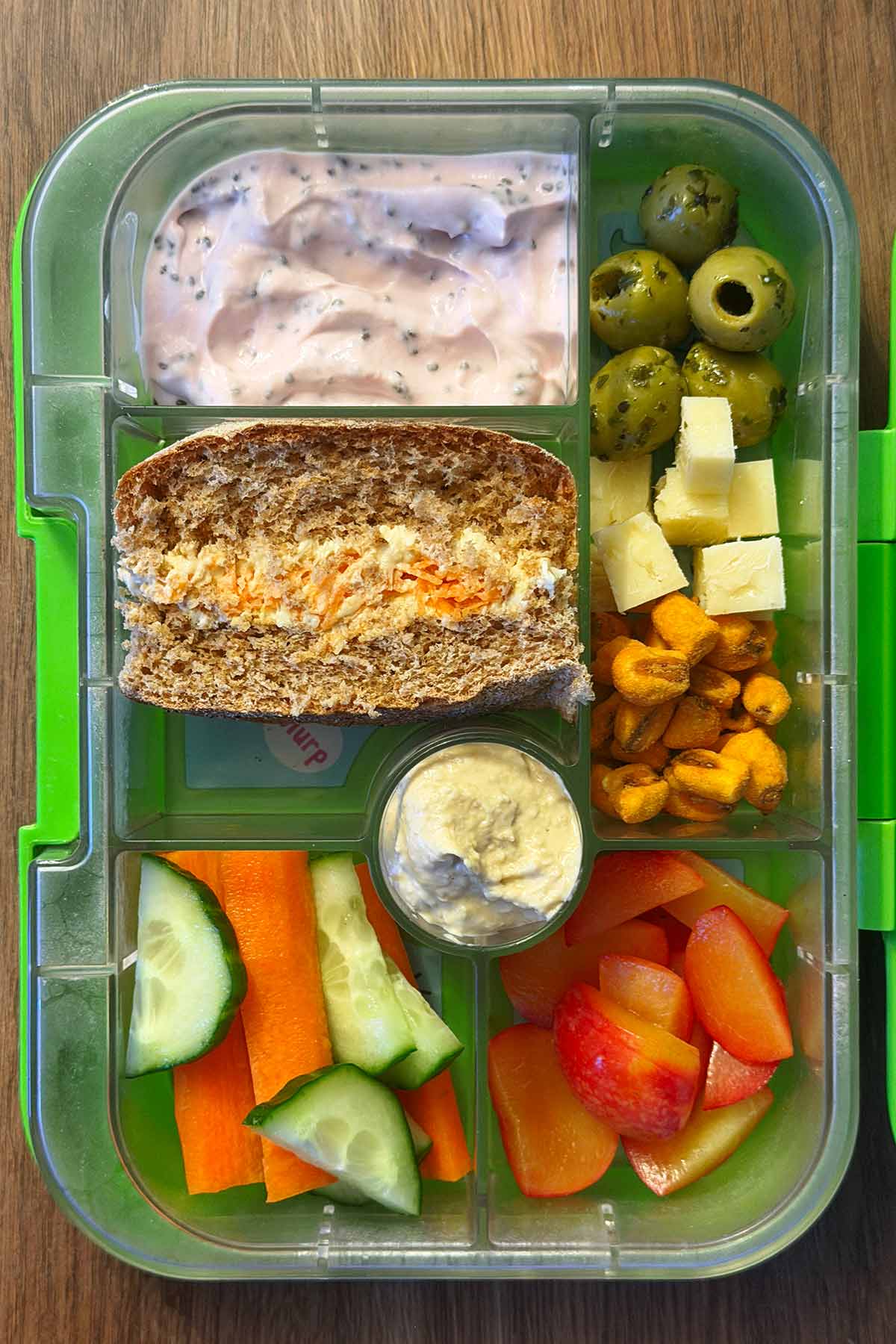
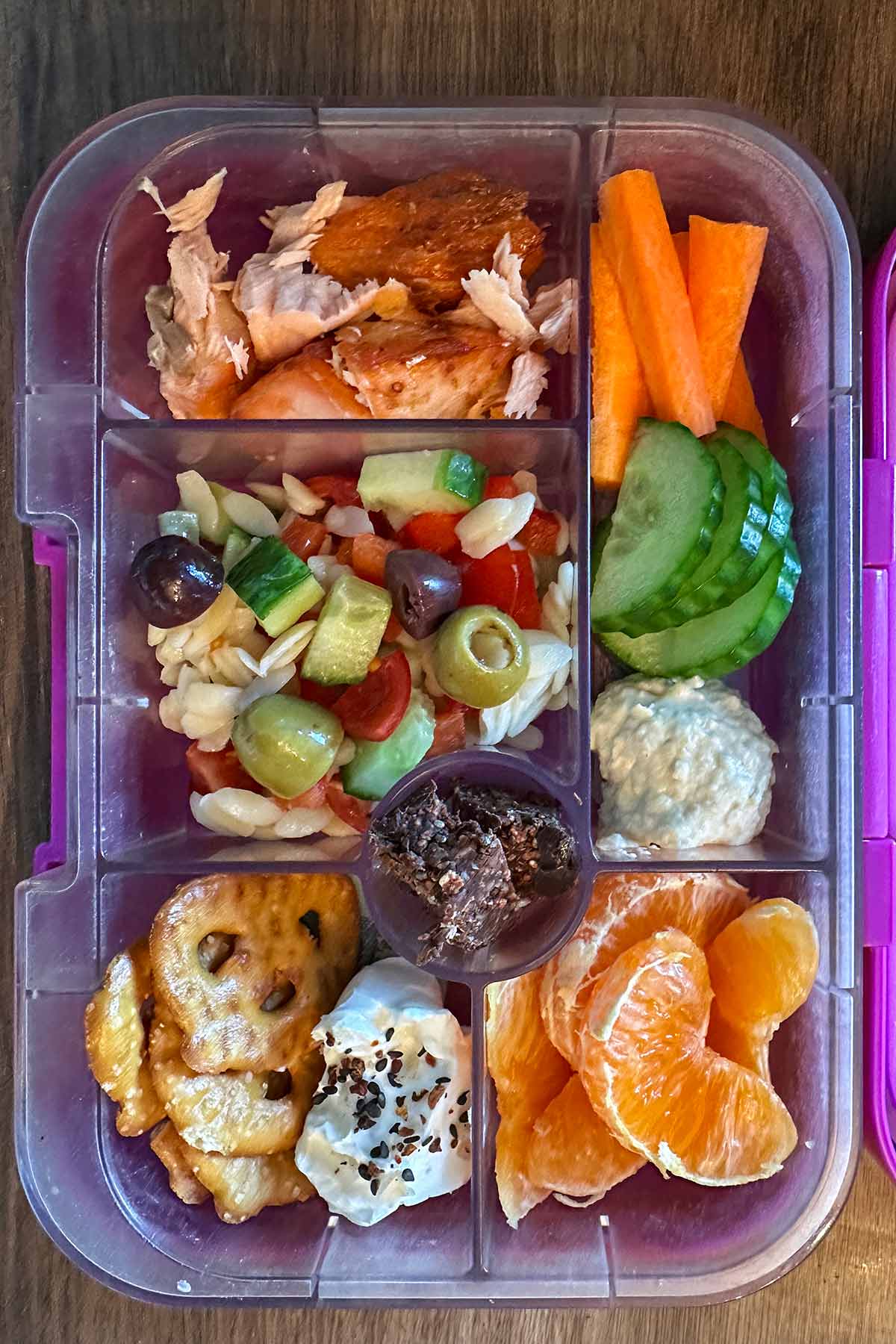
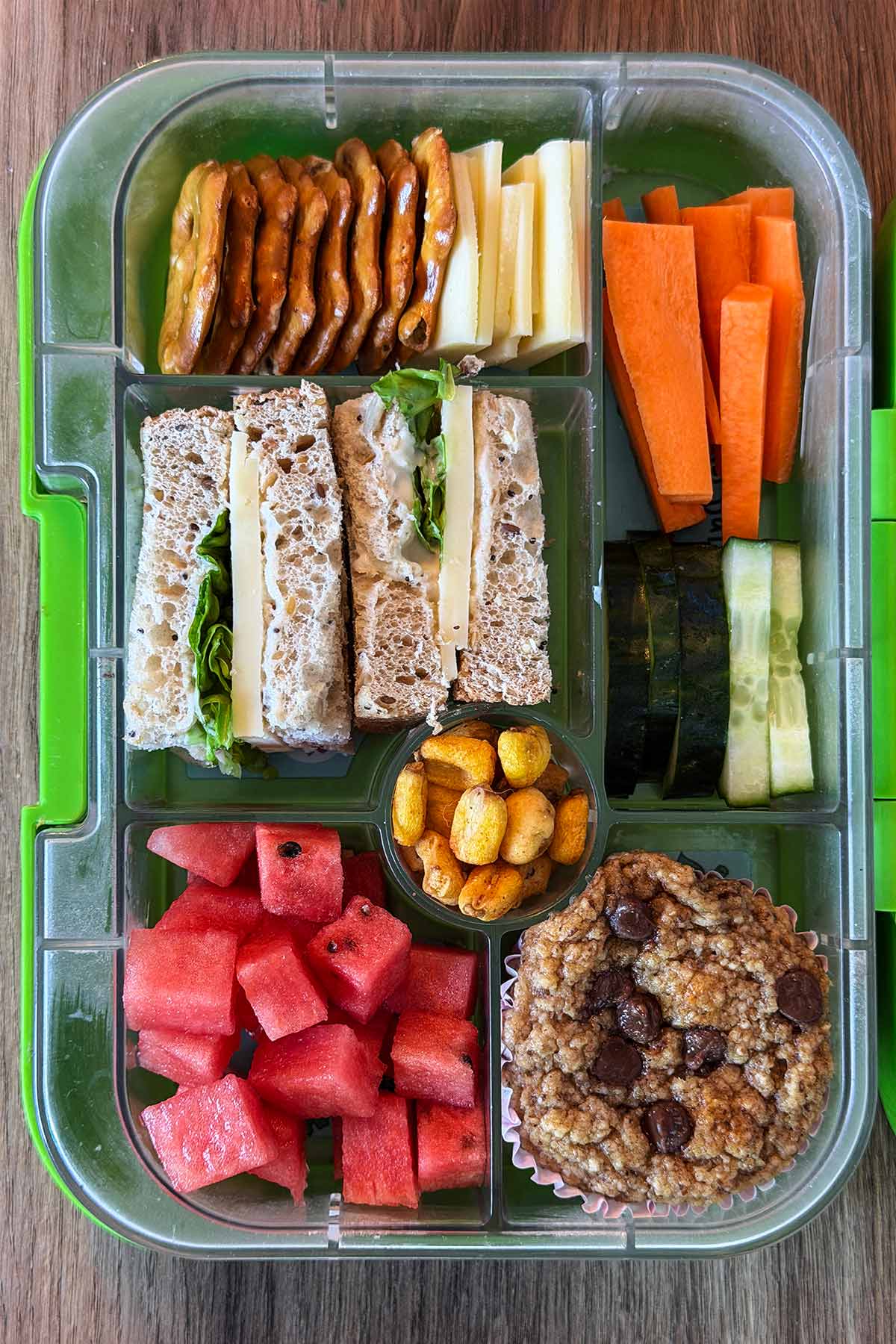
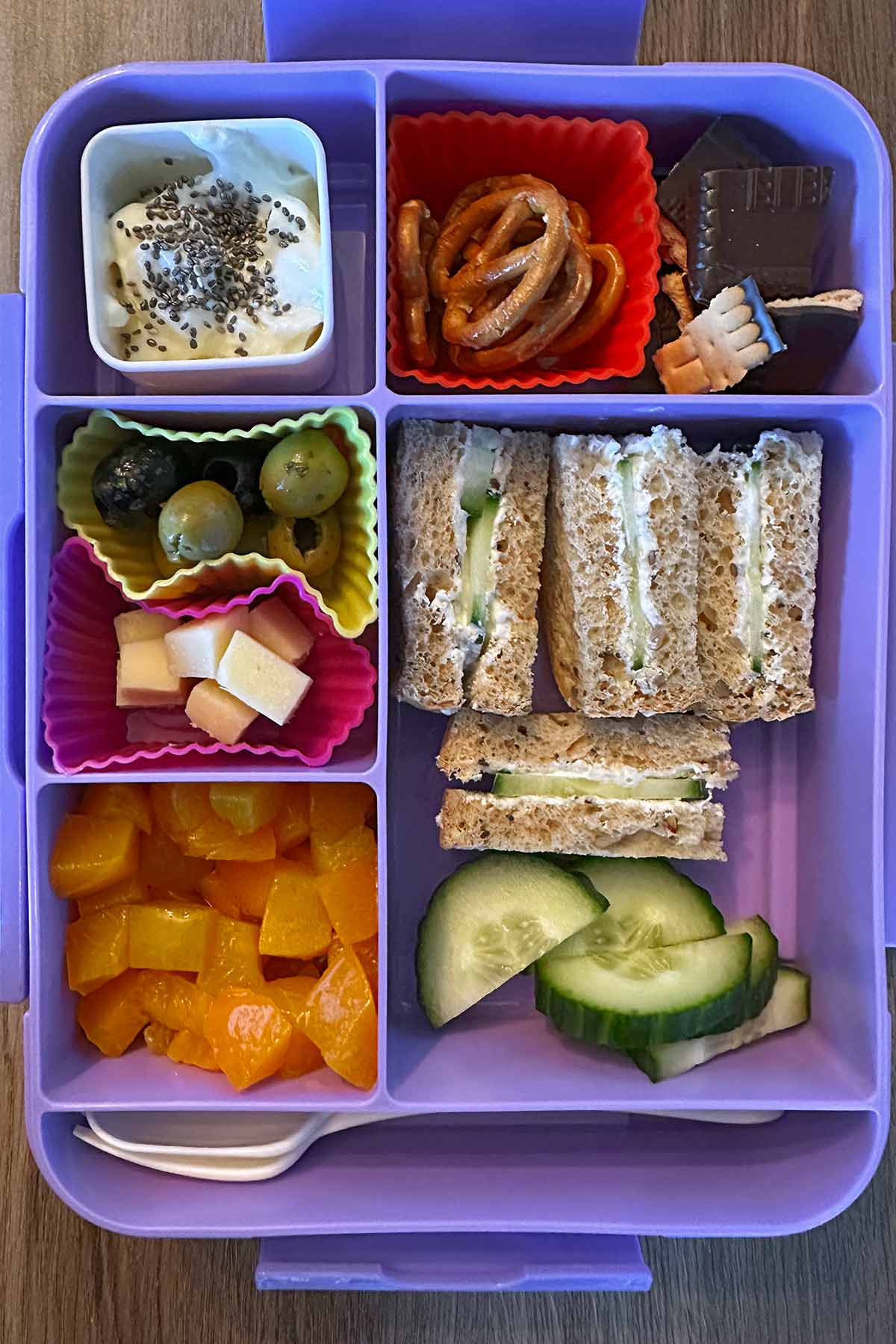
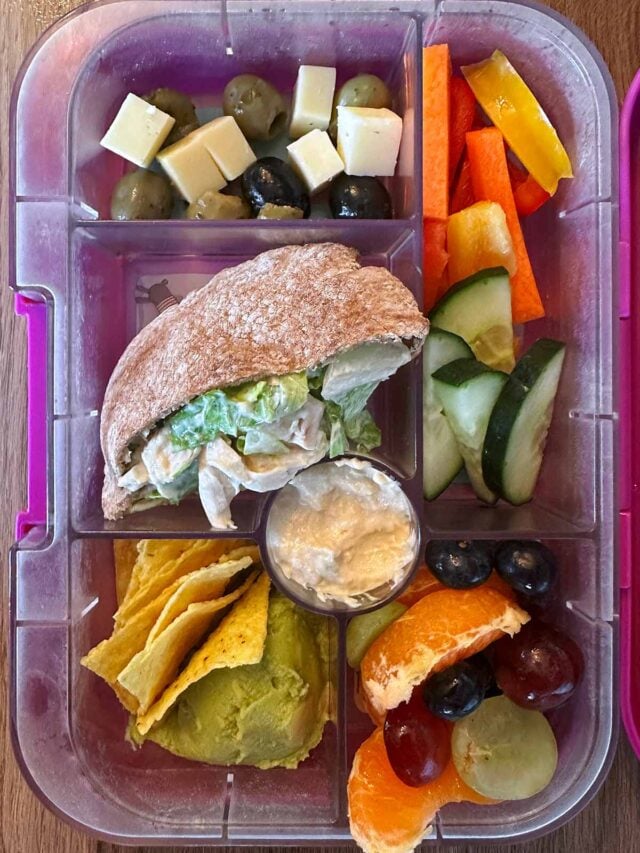
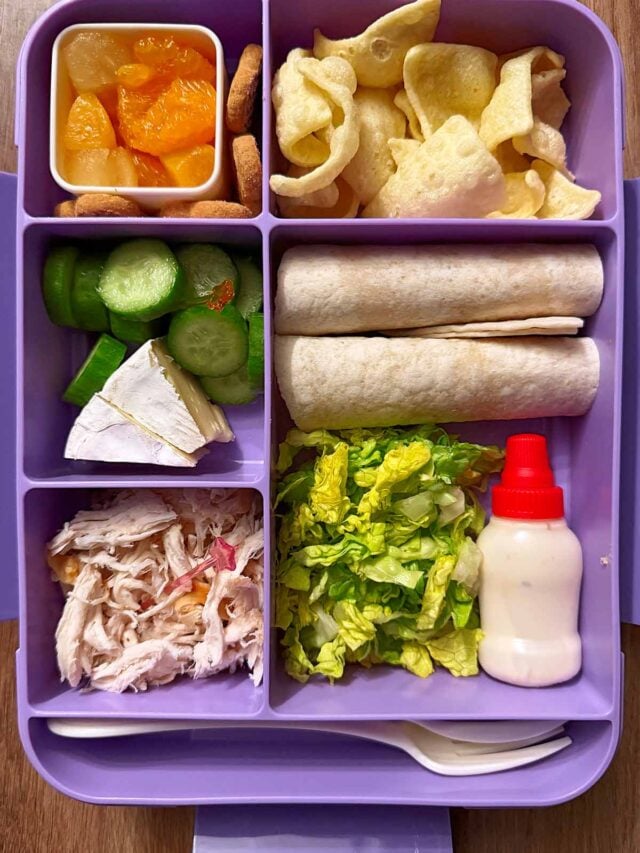
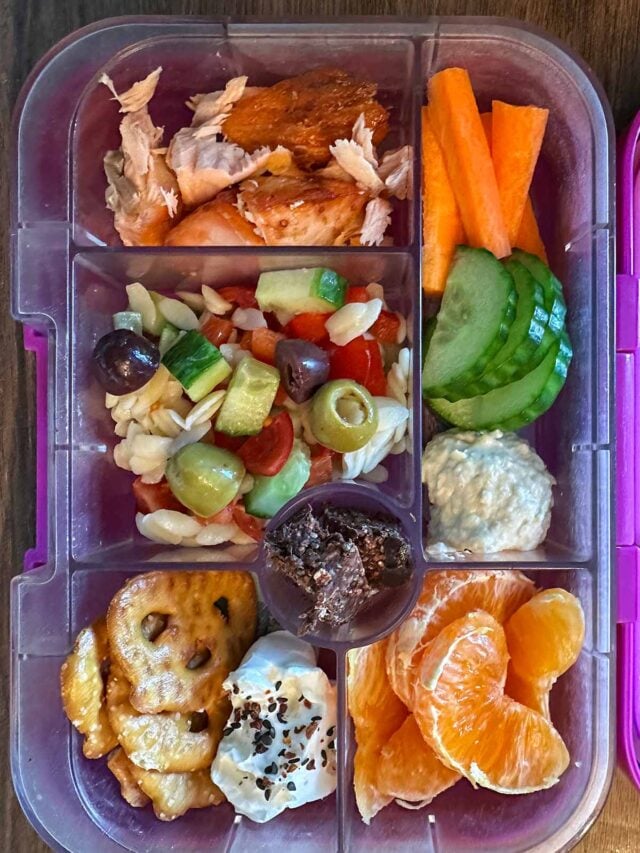
Hopefully the lunchbox photographs throughout this post give you plenty of children's lunchbox ideas to use in your own way.
Some boxes might work perfectly for your family exactly as they are. Others might contain just one idea that makes tomorrow morning easier.
Some will suit younger children. Some will suit older children. And some will contain foods your child loves, foods they are learning about and foods they currently have absolutely no interest in.
That is fine. Do not measure your lunchbox against a photograph. Use the pictures to notice possibilities.
A sandwich can become a wrap. Leftover chicken can become a build-your-own lunch. Yogurt can become a dip, muffin or pudding. Vegetables can be roasted, grated, blended, rolled into sushi or simply served beside something tasty to dunk them in.
Keep the favourites. Try one new thing when it feels right. Make it easier wherever you can.
And remember that every packed lunch is only one meal, on one day, in the middle of a busy childhood.
If you've tried any of these kids' lunch box ideas, let us know how you got on in the comments below.
Tag us in your creations on Instagram @hungryhealthyhappy and use the hashtag #hungryhealthyhappy too.

Deb says
This is such a well written, informative and non-judgemental post. Thank you so much! Some amazing ideas and the visuals at the end are really helpful
Sarah says
What a fantastic, detailed post full of practical and sensible advice! Thank you for putting this together, my daughter starts reception next week and this guide is making me feel less worried about how she’ll cope at lunchtime.